


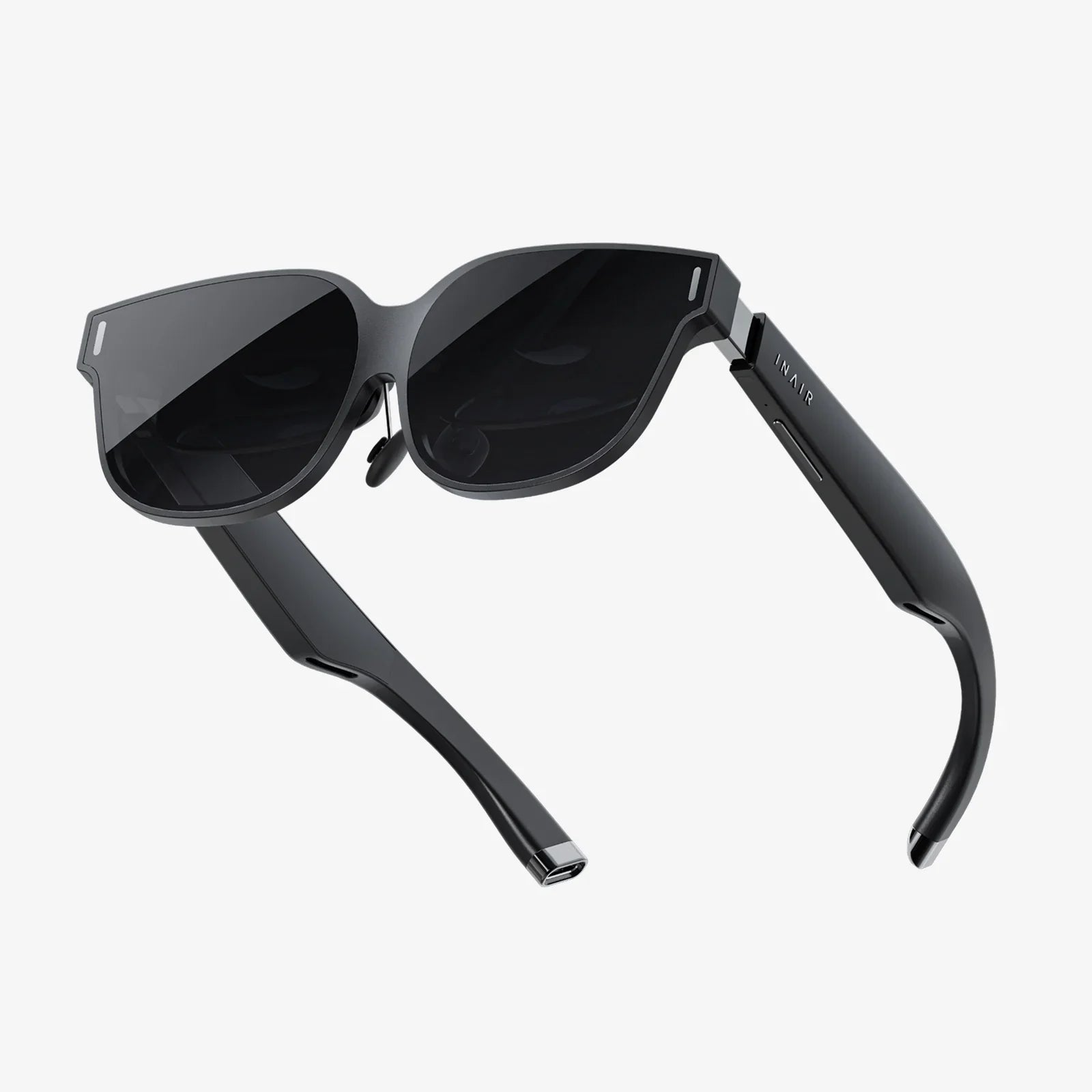
Imagine stepping into breathtaking virtual worlds, exploring distant planets, or mastering a new skill in hyper-realistic simulations—all without spending a fortune. The year 2025 has ushered in a golden age for affordable virtual reality, where high-fidelity experiences are no longer locked behind a premium paywall. For countless consumers and tech enthusiasts, the sub-$300 price point represents the sweet spot: a commitment to cutting-edge technology that doesn't require a second mortgage. This guide is your portal to that reality, meticulously crafted to help you navigate the exciting and ever-evolving landscape of budget-friendly VR. We've done the deep dive into specs, user experiences, and market trends to bring you the definitive list of the best VR headsets under $300 for 2025. Get ready to unlock adventures you never thought possible at a price that feels just as unreal.
The 2025 VR Landscape: Power to the People
Just a few years ago, the term 'budget VR' was often synonymous with compromised experiences—low-resolution displays, limited tracking, and a sparse content library. The landscape in 2025 is dramatically different. Driven by fierce competition and rapid technological adoption, manufacturers have successfully pushed advanced features into more accessible hardware. The headsets dominating the sub-$300 category now boast specifications that would have been considered high-end only a generation prior.
This democratization of technology means that core components like display resolution, refresh rate, and onboard processing power have seen significant, consumer-friendly improvements. Furthermore, the ecosystem surrounding these devices has matured immensely. App stores are overflowing with high-quality games, innovative social platforms, and practical applications for work and education. This combination of powerful, affordable hardware and a rich software environment makes 2025 the perfect time to invest in a virtual reality headset without straining your finances.
Key Features to Prioritize in Your Search
Not all headsets are created equal, even within the same price bracket. Understanding which features have the biggest impact on your experience is crucial for making an informed decision. Here’s what to scrutinize before making your purchase.
Display Resolution and Lens Clarity
The window to your virtual world is the display. In 2025, the benchmark for clarity in this price range is a per-eye resolution nearing or exceeding 2K. This high pixel density is essential for eliminating the 'screen door effect'—that distracting grid of lines between pixels that can shatter immersion. Look for headsets utilizing fast-switch LCD or advanced OLED panels that offer vibrant colors and deep blacks. Equally important are the lenses. Fresnel lenses are common, but many newer models are adopting pancake lenses, which are thinner, lighter, and can provide a sharper picture across a wider field of view with less distortion around the edges.
Tracking: Inside-Out is King
Gone are the days of cumbersome external sensors that required careful room setup. The universal standard for headsets under $300 in 2025 is inside-out tracking. This technology uses cameras embedded on the headset itself to map your room and track the position of your controllers. It’s incredibly convenient and portable. When evaluating tracking, consider the number and placement of cameras; more cameras generally mean a larger and more reliable tracking volume, allowing you to reach behind your back or bring controllers close to your face without losing tracking. The precision of this system is fundamental to a seamless and responsive VR experience.
Comfort and Ergonomics
A headset can have the best specs on paper, but if it's uncomfortable to wear, you won't use it for long. Comfort is a multi-faceted feature. Pay attention to the weight distribution. A front-heavy device will strain your neck and face. Many modern designs use a counterbalanced strap system, often with a rear knob to dial in a secure fit, which evenly distributes weight around your head. The materials matter too—soft, breathable facial interfaces are preferable, especially for active games. If you wear glasses, ensure the headset has enough space or offers a custom lens solution.
Content Library and Platform
Your headset is merely a gateway; the software is the destination. The value of your device is intrinsically linked to the ecosystem it belongs to. Some headsets are tied to a specific, walled-garden platform, while others are more open, functioning as a display for a powerful gaming computer. For standalone models, investigate the health of its app store. How many top-rated games are available? Are there popular social and fitness apps? For PC-connected models, ensure it has robust support for major VR platforms like SteamVR. Cross-buy support, where purchasing a game on one platform grants you access on another, is also a valuable perk offered by some ecosystems.
Battery Life and Performance
For standalone headsets, battery life is a critical practical consideration. While manufacturers often quote optimistic figures, real-world usage during graphically intense games typically yields 2-3 hours of playtime. Some models offer hot-swappable batteries or features like power passthrough, allowing you to play while plugged in. On the performance side, the heart of a standalone headset is its processor. In 2025, chipsets derived from mobile technology have become remarkably powerful, capable of delivering smooth, visually impressive experiences. Look for headsets that can maintain a high, stable refresh rate (90Hz or above) to ensure comfort and immersion.
Understanding the Standalone vs. PC-VR Divide
A fundamental choice in your VR journey is between a self-contained (standalone) headset and one that acts as a display for a powerful computer (PC-VR).
Standalone Headsets: These are all-in-one units with a built-in processor, battery, and storage. They are the epitome of convenience—wireless, portable, and ready to play in minutes. You can take them to a friend's house or use them in a large living room without any cables. The trade-off is that their graphical processing power, while impressive, cannot match a high-end gaming PC. They are perfect for users prioritizing ease of use, mobility, and a lower total cost of entry.
PC-Connected Headsets: Often called 'tethered' or 'PC-VR' headsets, these devices rely on a capable gaming computer to render the complex visuals. They connect via a high-speed cable (or sometimes wirelessly with a special adapter). The result is the highest possible fidelity, with incredibly detailed textures, complex lighting, and vast, intricate virtual worlds. The trade-offs are the cost of the PC itself, the physical tether (which can be immersion-breaking), and a lack of portability. This path is ideal for gaming enthusiasts who already own a powerful rig and want the absolute best visual quality.
Many of the best headsets under $300 in 2025 are standalone, but several excellent PC-VR options exist in this price range, often from the previous generation of hardware.
Who is the Sub-$300 Headset For?
The accessibility of this market segment has broadened the appeal of VR immensely. These headsets are perfectly suited for:
- First-Time VR Users: An affordable entry point allows you to explore the medium and see if it resonates with you without a significant financial risk.
- Families and Casual Gamers: With multiple users and perhaps younger audiences, a durable and cost-effective solution is often preferable.
- Fitness Enthusiasts: The rise of VR fitness apps has been meteoric. A wireless, standalone headset is an excellent piece of workout equipment for fun, engaging cardio.
- Social and Creative Users: Those interested in virtual social spaces, 3D painting, sculpting, or media consumption (watching movies in a virtual theater) will find immense value without needing top-tier gaming specs.
Potential Limitations and What to Expect
It's important to set realistic expectations. While the technology has advanced leaps and bounds, a sub-$300 headset will involve some compromises compared to its $1,000+ counterparts. You might not get the absolute highest resolution display or the very widest field of view. Advanced features like perfect eye-tracking or facial expression avatars are typically reserved for premium models. Storage space might be limited to 128GB or 256GB, requiring more mindful management of your game library. The controllers, while functional and accurate, may lack some of the haptic feedback sophistication found in more expensive kits. However, for the vast majority of users, the experience provided by the best headsets in this category is overwhelmingly positive and incredibly immersive.
The Future is Now, and It's Affordable
The barrier to entry for high-quality virtual reality has never been lower. The headsets available for under $300 in 2025 are not mere toys; they are sophisticated pieces of technology that provide a genuine portal to new experiences. Whether you’re vanquishing dragons, collaborating with colleagues in a virtual boardroom, sweating through a high-intensity rhythm game, or simply watching a film on a giant private screen, the power is now firmly in your hands. This isn't a compromised glimpse into the future—it's a full-bodied, wallet-friendly shove into the next dimension of digital interaction. Your journey into virtual worlds awaits, and it doesn’t require a king's ransom to begin.
Share:
VR Headset for PC Cheapest: Your Ultimate Guide to Affordable Immersion
Best VR Headset Under $1000 2025: The Ultimate Buyer's Guide to High-Fidelity Immersion