


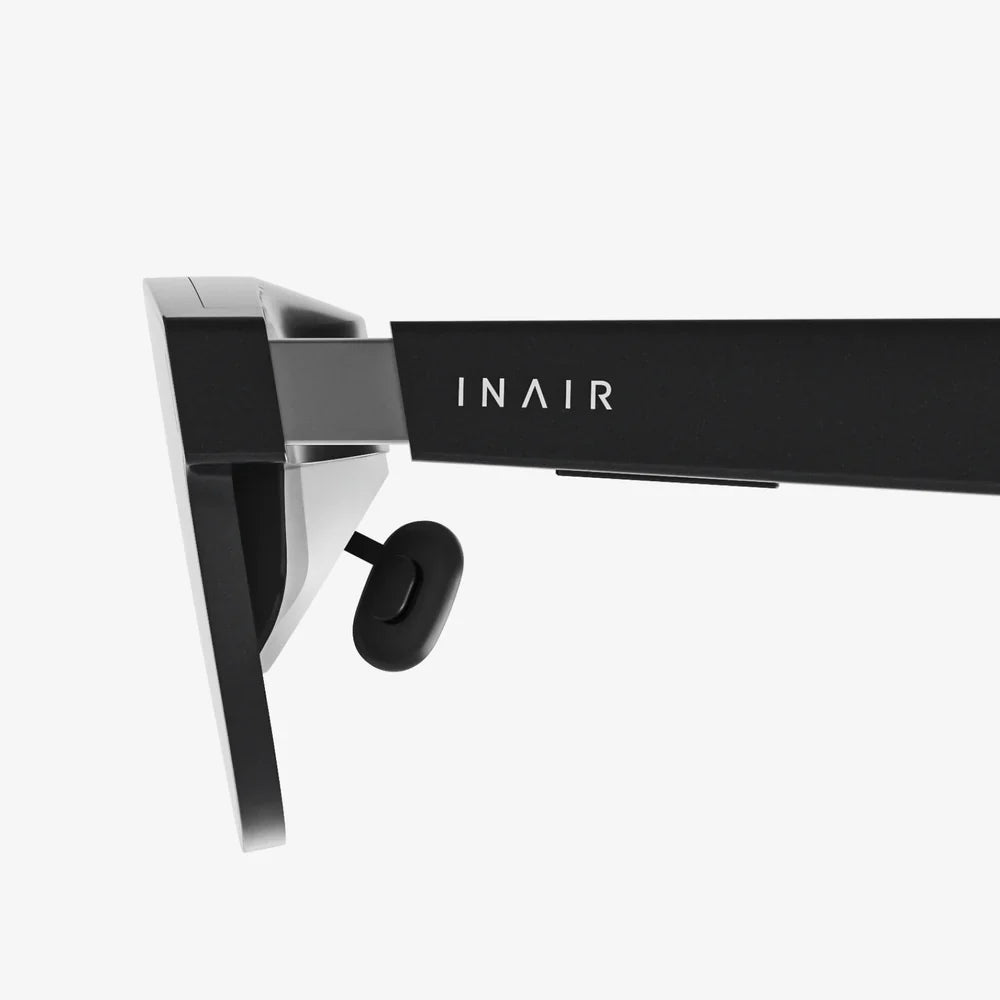
Imagine slipping on a sleek visor and instantly being transported to a front-row seat at a concert, a strategic command center in a distant galaxy, or a virtual meeting room where colleagues from across the globe feel like they’re sitting right beside you. This is the promise of modern virtual reality, and it all begins with one critical piece of technology: the best VR headset with a screen. This isn't just about a gadget; it's about acquiring a passport to limitless experiences, from heart-pounding gaming to revolutionary productivity and breathtaking social connection. The journey to finding your perfect digital window is an exciting one, filled with considerations of crystal-clear visuals, effortless comfort, and raw processing power. Let's dive into the essential elements that separate a good headset from a truly transformative one.
The Heart of the Experience: Understanding Display Technology
At the core of every virtual reality headset is its display system. This is your literal window into another world, and its quality directly dictates the level of immersion you will experience. The quest for the best VR headset with a screen demands a close examination of several key display metrics.
The first and most discussed specification is resolution. Measured in pixels per eye, a higher resolution means a sharper, clearer image with reduced visibility of individual pixels—often referred to as the "screen door effect." Early headsets suffered greatly from this, but modern premium devices offer resolutions that make text legible and virtual environments appear richly detailed and convincing. Look for specifications that indicate a high pixel density for the clearest picture.
Equally important is the refresh rate, measured in Hertz (Hz). This determines how many times the image on the screen refreshes per second. A higher refresh rate, such as 90Hz, 120Hz, or even 144Hz, results in significantly smoother motion. This is crucial for avoiding simulation sickness, a form of motion discomfort that can occur when there is a lag between your head movements and the visual response. For fast-paced games and experiences, a high refresh rate is non-negotiable for comfort and enjoyment.
Another critical factor is the field of view (FOV). Expressed in degrees, FOV is the extent of the observable world you can see at any given moment. A wider FOV, typically above 100 degrees, enhances the feeling of "being there" by reducing the binocular-like view and making the virtual world feel more expansive and natural. A narrow FOV can feel like looking through a pair of scuba goggles, constantly reminding you that you are wearing a headset.
Finally, the choice of display panel type plays a role in color vibrancy, contrast, and black levels. Fast Switch LCDs are common and offer high resolutions and refresh rates but can struggle with perfect blacks. OLED and newer Micro-OLED panels, on the other hand, offer per-pixel illumination, resulting in true blacks, incredible contrast ratios, and more vibrant colors, which are ideal for dark environments and space simulations.
Form and Function: The Design and Comfort Equation
A headset can have the most advanced screen in the world, but if it’s unbearable to wear, it will gather dust on a shelf. The design philosophy behind the best VR headsets with screens prioritizes long-term comfort to match their technological prowess.
The weight distribution and strap system are paramount. A well-designed headset doesn’t just sit on your face; it is properly supported on your head. Elite strap systems often feature a rigid, halo-like design or an adjustable rigid strap that cups the back of your skull, allowing the front-heavy display assembly to be balanced comfortably. This removes pressure from your cheeks and nose, enabling multi-hour sessions without fatigue. Padded interfaces made from materials like memory foam and breathable fabrics further enhance comfort and hygiene.
Interpupillary Distance (IPD) adjustment is a must-have feature for visual clarity and comfort. This is the mechanism that allows you to physically or digitally adjust the distance between the lenses to match the spacing of your own eyes. Proper IPD alignment ensures a single, sharp image and is crucial for preventing eye strain and headaches. Look for headsets that offer a wide range of physical IPD adjustment for the most precise customization.
Untethered Freedom vs. Wired Fidelity: The Platform Dilemma
A fundamental choice in the VR landscape is between standalone and PC-connected headsets. Each platform offers a distinct set of advantages that cater to different users and use cases.
Standalone headsets are all-in-one units with a built-in processor, memory, and battery. They are completely wireless, offering unparalleled freedom of movement. You are not limited by the length of a cable, allowing you to turn, crouch, and move naturally without fear of entanglement. This makes them incredibly accessible and easy to set up. The trade-off is that their mobile-grade processors, while impressively powerful, cannot match the sheer graphical horsepower of a high-end gaming computer. The experiences are often less visually complex, though still highly engaging.
PC-connected headsets, often called "tethered" headsets, rely on a powerful computer to render the virtual environments. They act as dedicated high-resolution displays, leveraging the computer's GPU and CPU to deliver the absolute pinnacle of visual fidelity, with highly detailed textures, complex lighting, and advanced physics. For enthusiasts seeking the most graphically intense simulations and games, this is the only path. The obvious downside is the physical tether, which can limit movement and require careful cable management, though wireless adapter kits exist for some models.
Some modern headsets are beginning to blur these lines, offering a standalone mode for convenience and a wired mode to connect to a PC for access to a broader library of high-fidelity content.
Seeing and Being Seen: The Role of Tracking and Passthrough
Immersion isn't just about what you see; it's also about how the headset sees you and your environment. Tracking technology is what translates your real-world movements into the virtual space.
Most modern headsets utilize inside-out tracking. This means cameras mounted on the headset itself observe your surroundings and track the position of the controllers. This eliminates the need for external base stations or sensors placed around your room, making setup quick and portable. The technology has advanced to a point where it is highly accurate and reliable for the vast majority of applications.
A related and increasingly important feature is passthrough. This allows the headset's cameras to feed a real-time video view of your physical environment into the headset. Basic passthrough lets you see your surroundings without removing the headset, useful for finding a drink or checking your phone. However, advanced, high-resolution color passthrough is a game-changer. It enables Mixed Reality (MR) experiences, where digital objects are anchored and interact with your real-world space. You could have a virtual television on your real wall or strategize over a virtual game board on your actual coffee table. For productivity and social applications, this technology is revolutionary.
Beyond the Hardware: The Ecosystem is Key
The hardware is only half of the story. The best VR headset with a screen is ultimately defined by the software ecosystem and experiences it can access.
The available content library is critical. A robust storefront filled with high-quality games, creative applications, fitness programs, and social platforms ensures your investment continues to provide value. Exclusive titles can be a significant draw for certain platforms. Furthermore, consider the social and productivity software. Can you easily meet with colleagues in a virtual workspace? Can you watch movies with friends in a virtual theater? These experiences are becoming central to the value proposition of VR.
Finally, never underestimate the importance of a strong user interface (UI) and user experience (UX). The process of putting on the headset, navigating menus, launching apps, and interacting with the system should feel intuitive, responsive, and polished. A clunky, frustrating software environment can sour the entire experience, no matter how powerful the underlying hardware may be.
The journey to find your ideal virtual reality companion is a personal one, shaped by your desire for visual brilliance, your need for comfortable design, and your appetite for either untethered freedom or maximum graphical power. It's about matching groundbreaking technology with your individual dreams of exploration, connection, and creation. The perfect headset isn't just the one with the highest specs on a sheet; it's the one that feels like a natural extension of your curiosity, seamlessly unlocking worlds you've only ever imagined and inviting you to step inside and play, work, and wonder. Your front-row seat to the future is waiting.
Share:
Best VR Headset for Your Phone: The Ultimate Guide to Mobile Immersion
VR Headset Refresh Rate: The Ultimate Guide to Visual Fluency and Immersion