


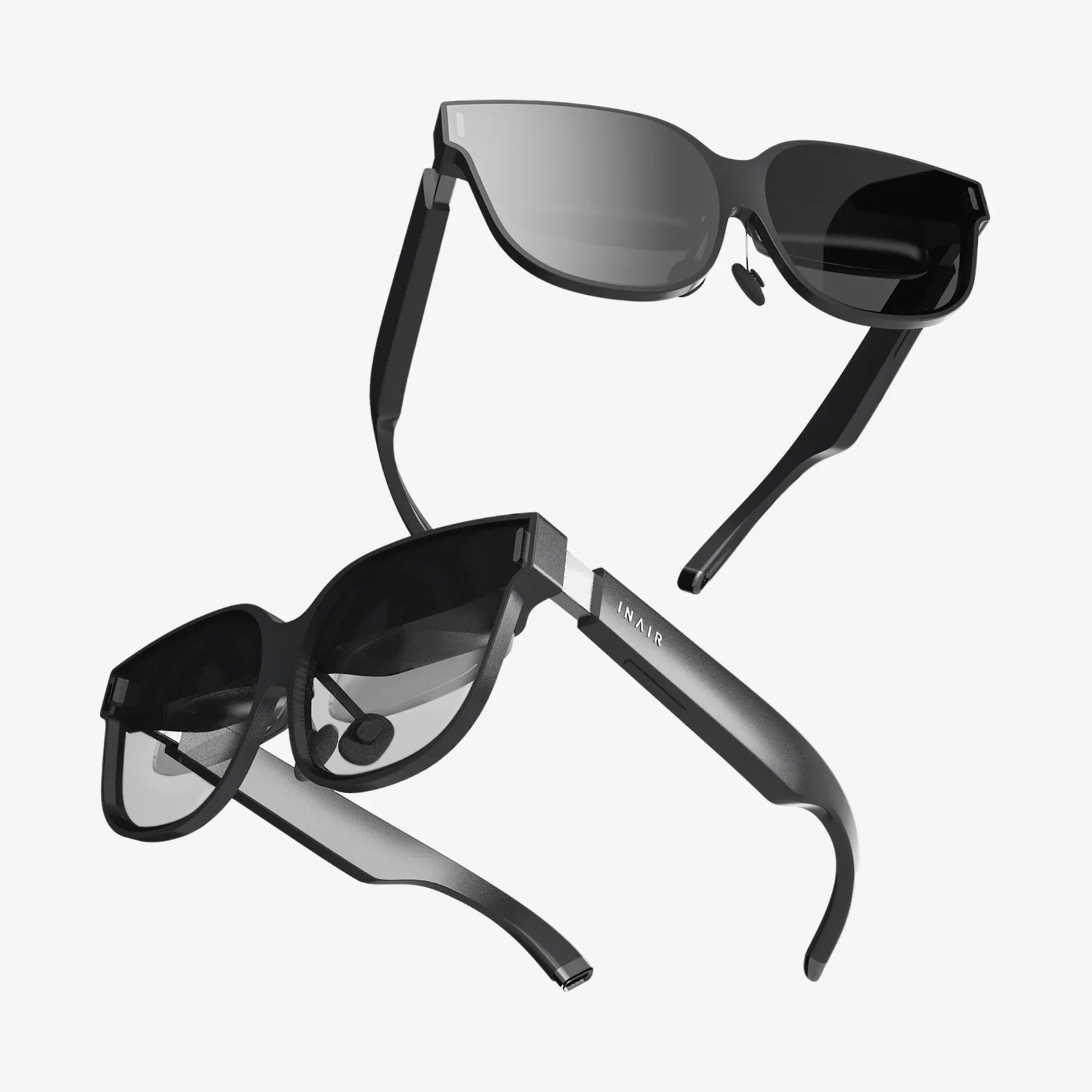
Imagine slipping a sleek, powerful computer into a simple headset and being instantly transported to another world. This was the incredible promise that mobile VR held a decade ago, and for owners of the iconic iPhone 5, it was a tantalizingly accessible dream. While today's standalone headsets offer untethered freedom, there was a unique magic in leveraging the device already in your pocket to unlock virtual realms. The journey to find the best VR headsets for the iPhone 5 is more than a search for hardware; it's a nostalgic trip to the foundational days of consumer virtual reality, a time of experimentation, wonder, and raw potential. Unpack that familiar little phone, and let's rediscover the gateway it provided to a new dimension.
The iPhone 5: A Relic Powering a Revolution
To understand the VR capabilities of the iPhone 5, we must first appreciate its position in technological history. Released in 2012, it was a marvel of its time. Its 4-inch Retina display, with a resolution of 1136 x 640 pixels, was considered exceptionally sharp. Its Apple A6 chip delivered a significant performance boost over its predecessor, making it capable of handling the complex graphical computations required for early VR experiences. While these specs are dwarfed by today's standards—modern smartphones often boast resolutions exceeding 3000 x 1400 and vastly more powerful processors—they were precisely what early VR developers targeted. The iPhone 5's user base was massive, creating a ripe market for accessory makers. However, its limitations, namely the screen's pixel density which could lead to a visible "screen-door effect" (seeing the fine lines between pixels), defined the experience. VR on the iPhone 5 was groundbreaking, but it was also a clear demonstration of the technical hurdles the industry needed to overcome.
The Core Mechanics of iPhone-Compatible VR
Unlike modern all-in-one headsets, the VR experience for the iPhone 5 was a symbiotic relationship between three key components: the headset itself, the smartphone, and the software.
The Headset: A Dumb Shell with a Smart Purpose
These headsets were, in essence, sophisticated holders. Their primary function was to provide:
- Lenses: High-quality, custom-designed plastic or glass lenses were the most critical component. They refocused the image from the phone's screen, stretching the picture to fill your peripheral vision and creating the stereoscopic 3D effect essential for immersion.
- Head Mounting System: Comfortable straps ensured the device stayed securely on your head during movement.
- Field of View (FoV): Typically ranging from 90 to 100 degrees, this was narrower than PC-based headsets of the era but sufficient to create a sense of presence.
- Input & Interaction: Most basic models relied on a magnetic or capacitive trigger on the side of the headset to interact with the software. More advanced models included a separate Bluetooth controller for more complex inputs.
The Software: The Engine of Experience
The headset was just a window; the apps provided the view. The App Store became home to a plethora of VR content. This included:
- 360-Degree Videos: Platforms offered immersive videos, from walking through ancient ruins to experiencing a rollercoaster ride.
- VR Games:
- Simple but engaging titles designed for a seated or standing experience, often using head tracking to aim or look around.
- Experiential Apps: Virtual tours of real estate, educational journeys inside the human body, and interactive storytelling.
Defining the Contenders: Types of Headsets for the iPhone 5
The market for iPhone 5-compatible VR headsets was broadly split into three categories, each offering a different balance of cost, quality, and functionality.
1. The Budget-Conscious Cardboard Realm
Inspired by Google's pioneering project, these were the most accessible entry points into VR. Made from literal cardboard, plastic, or inexpensive foam, these viewers were incredibly affordable. They worked by slotting the iPhone 5 into a tray, closing the lid, and viewing the screen through two simple lenses. An external magnet or capacitive button served as the input. The experience was undeniably low-fi, with light leakage, basic lenses, and a reliance on holding the viewer up to your face. However, their immense value was in democratizing VR. They allowed anyone with a smartphone to try virtual reality for a minimal cost, fueling curiosity and adoption. For the iPhone 5 user, a Cardboard viewer was a fun, low-commitment way to dip their toes into the virtual water.
2. The Mainstream Plastic & Foam Middle Ground
This category represented the sweet spot for most consumers seeking a quality experience without a premium price tag. Constructed from more durable plastics and comfortable foam, these headsets addressed the shortcomings of Cardboard. They featured:
- Superior lenses with better clarity and reduced distortion.
- Adjustable head straps for hands-free comfort.
- Enclosed designs to block out ambient light.
- Better weight distribution to avoid neck strain.
- Often, they included a basic input mechanism, like a trigger button.
These headsets transformed the VR experience from a novelty into a genuinely enjoyable activity. They were the workhorses of the mobile VR revolution, providing a solid, reliable platform for the vast library of VR apps available for the iPhone 5. They struck a perfect balance, making them the most popular and widely recommended type of headset for the device.
3. The Premium Feature-Rich Experience
At the top end of the market were headsets that pushed the boundaries of what mobile VR could be. These were not just viewers; they were advanced peripherals. They differentiated themselves with high-end materials like rubberized finishes and metal components, but their key advantages were technological. Many featured integrated headphones for spatial audio, a crucial element for immersion. Most importantly, some models included their own internal sensors—like gyroscopes and accelerometers—to augment the iPhone 5's own sensors. This provided more precise and responsive head tracking, reducing latency (the delay between your head movement and the screen updating) which is a primary cause of motion sickness. For the serious enthusiast who wanted the absolute best experience their iPhone 5 could deliver, these premium headsets were the ultimate choice.
Key Considerations Before You Dive In
Choosing the right headset wasn't just about price. Several factors directly impacted the quality of the experience on an iPhone 5.
Lens Quality is Everything
The lenses are your portal into the virtual world. Cheap, poorly molded plastic lenses will introduce chromatic aberration (color fringing), distortion, and a blurry image that strains the eyes. Higher-quality headsets used precision-ground optical-grade lenses that provided a much clearer, sharper, and more comfortable view. This was arguably the most significant differentiator between a disappointing experience and an enthralling one.
Field of View and Immersion
Field of View (FoV) measures the angular extent of the observable world seen at any given moment, measured in degrees. A wider FoV means more of your vision is filled by the virtual environment, increasing the sense of "being there." Many basic headsets had a narrower FoV, which could feel like looking through binoculars. Better headsets offered a wider FoV, closer to 100 degrees, which was far more immersive for the technology of the time.
Comfort and Ergonomics
VR is only enjoyable if the headset is comfortable to wear. Factors like weight, weight distribution, the quality of the padding, and the adjustability of the straps are crucial. A heavy, front-heavy headset will cause neck strain quickly. Poorly placed padding will create pressure points on the face. A good headset felt secure but not tight, and its weight was balanced so it didn't constantly feel like it was pulling forward.
Input Methods: From Buttons to Controllers
How you interact with the virtual world is key. The most basic method was a magnetic slider or capacitive touch button on the headset itself, which the phone's screen could detect. This was fine for simple menu navigation but inadequate for games. The next step up was a bundled Bluetooth remote, which offered more buttons and a better sense of control. The best-case scenario was a full-fledged Bluetooth gamepad, which unlocked compatibility with a wider range of apps and games designed for more complex input.
The App Ecosystem: Breathing Life into the Hardware
A VR headset without software is a paperweight. The iPhone 5's thriving App Store was its greatest asset. While many modern VR apps have left the older iOS version behind, a surprising number of classics and simple experiences remain functional. The key was to search for apps specifically designed for "Google Cardboard" or "mobile VR," as these would be optimized for the iPhone 5's screen resolution and use the standard input methods. This ecosystem included everything from VR players for your own 360-degree photos and videos to dedicated games and interactive tours. Exploring the App Store was part of the adventure, uncovering hidden gems that showcased the creative potential of this nascent medium.
The Inevitable Limitations and Technical Realities
It is vital to approach this historical tech with managed expectations. VR on an iPhone 5 was a product of its time and came with inherent constraints.
- Screen Door Effect: The phone's pixel density was low enough that users could often perceive the fine gaps between pixels, like looking through a screen door.
- Performance: Pushing two high-frame-rate images (one for each eye) was demanding. Complex experiences could cause frame rate drops or stutter, which can quickly lead to discomfort.
- Battery Drain and Heat: VR applications are notoriously resource-intensive, rapidly depleting the phone's battery and generating significant heat.
- Lack of Positional Tracking: This was the biggest limitation. These headsets could track the rotation of your head (rotational tracking) but not its movement in physical space (positional tracking). You could look around a virtual room, but you couldn't lean forward to examine an object more closely. This limited the sense of presence and the types of interactions possible.
A Legacy That Built the Future
The era of the iPhone 5 and its contemporary mobile VR headsets was not a dead end; it was a vital prototyping phase for the entire industry. It introduced millions of people to the concepts of virtual reality at a low cost. It allowed developers to experiment with VR gameplay mechanics, user interfaces, and storytelling techniques on a massive scale. The lessons learned from what worked (and what didn't) on these mobile platforms directly informed the development of the more advanced, high-end systems that followed. It proved there was a mass-market appetite for VR, paving the way for the investment and innovation that created today's standalone headsets.
That iconic iPhone 5, now likely resting in a drawer, was once a key to countless virtual worlds. The quest for the best VR headset for it was a journey of discovery, balancing cost against quality and potential against limitation. While the technology has evolved beyond recognition, the core appeal remains unchanged: the thrill of escape and the wonder of experiencing the impossible. Those early, grainy, and sometimes janky experiences were pure magic. They represent the humble, ambitious beginnings of a technology that continues to redefine our reality. Perhaps it's time to charge that old phone, find its compatible headset, and take one more trip down a memory lane that exists in a completely different dimension.
Share:
5.5 Inch VR Headset: The Unseen Revolution in Mobile Virtual Reality
Can I Use My VR Headset While Charging? The Ultimate Safety & Performance Guide