


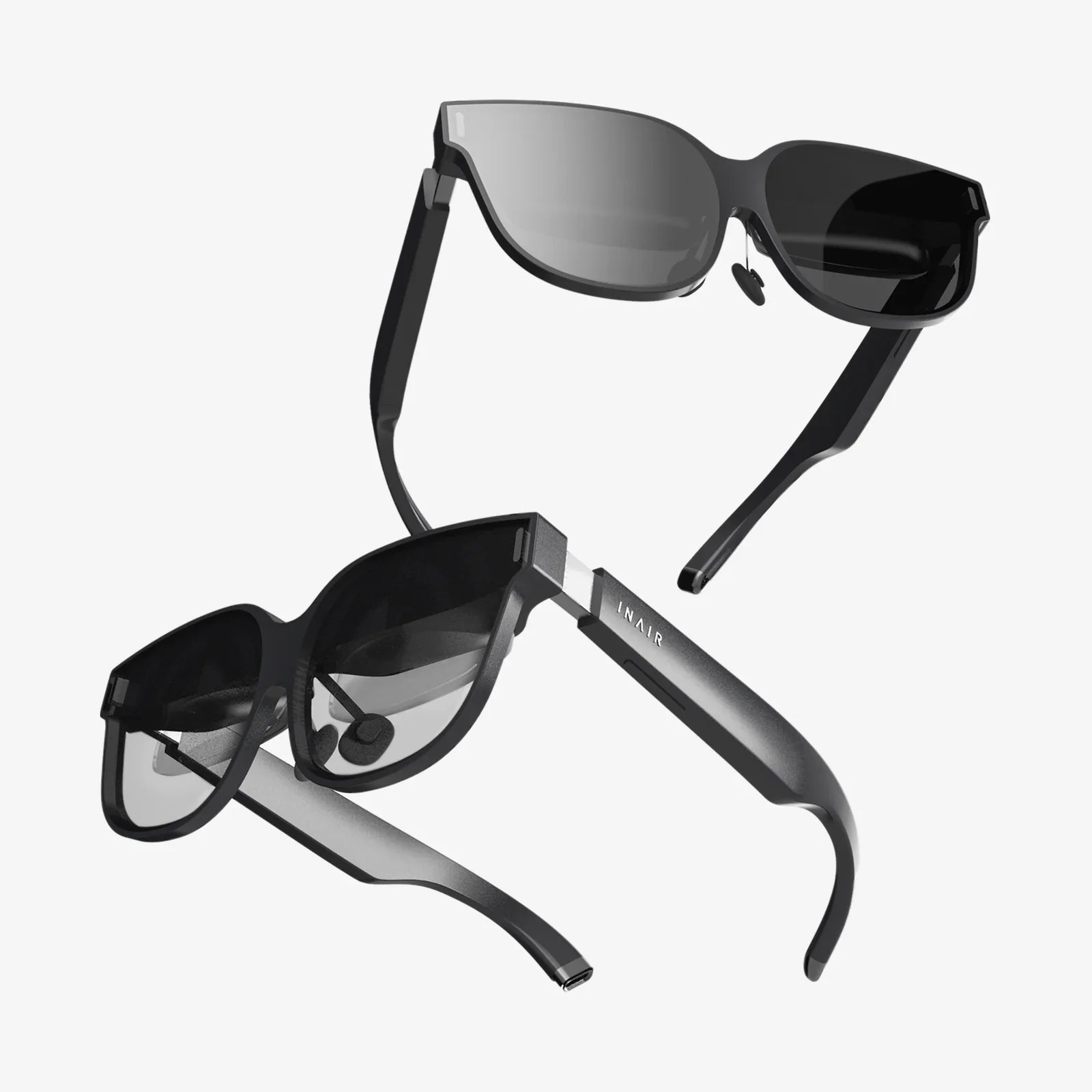
Imagine slipping on a headset and being instantly transported—to the front row of a concert, the bridge of a starship, or a virtual meeting room with colleagues from across the globe. The promise of virtual reality has evolved from science fiction fantasy to a tangible, awe-inspiring reality, and the quest to find the best VR in market is more compelling than ever. With a landscape brimming with innovation, choosing the right gateway to these digital realms is the first step toward unlocking experiences that blur the line between the virtual and the real.
The Pillars of Premium Virtual Reality
Defining the "best" VR headset is not a one-size-fits-all endeavor. It hinges on a combination of key technological pillars that work in concert to create a convincing and comfortable experience. Understanding these core components is essential for evaluating any contender for the title of best VR in market.
Visual Fidelity: The Window to Another World
The quality of the display is arguably the most critical factor for immersion. It begins with resolution; higher pixel density directly translates to sharper images and the elimination of the "screen door effect," where users can discern the gaps between pixels. However, resolution is just one piece of the puzzle. The field of view (FOV) determines how much of your vision is occupied by the virtual environment. A wider FOV feels more natural and encompassing, while a narrow one can feel like looking through binoculars.
Furthermore, advanced features like local dimming and mini-LED backlighting have revolutionized contrast ratios, producing deep, inky blacks and brilliant highlights that make virtual worlds feel vibrant and real. The refresh rate, measured in Hertz (Hz), is equally vital. A higher refresh rate (90Hz and above) ensures smooth motion, drastically reducing the potential for motion sickness and making fast-paced games and action sequences feel fluid and responsive.
Tracking and Controllers: Your Virtual Hands
How a system tracks your movement and translates your intentions into the virtual space is fundamental to the experience. Inside-out tracking has become the gold standard for consumer devices. This technology uses cameras embedded on the headset itself to map the room and track the position of the controllers, eliminating the need for external sensors placed around the play area. This setup offers incredible freedom and ease of use, making setup a breeze.
The controllers themselves have become sophisticated instruments of interaction. Haptic feedback provides subtle tactile sensations—the recoil of a virtual weapon, the buzz of a saw, or the gentle thump of a basketball. Finger-tracking technology takes this a step further, allowing the headset to detect individual finger movements, enabling natural gestures like pointing, grabbing, and waving, which adds a profound layer of realism and expressiveness to social and creative applications.
Comfort and Design: Forgetting You're Wearing It
The best visual and interactive technology is meaningless if the headset is too uncomfortable to wear for more than a few minutes. Ergonomics are paramount. Premium headsets utilize balanced weight distribution, often shifting the battery pack to the rear as a counterweight, to avoid pressure on the face. Materials range from rigid yet light polymers to soft, breathable fabrics.
Adjustability is key, with systems offering multiple points of customization: interpupillary distance (IPD) sliders to align the lenses with your eyes, top straps, and dial-tightening mechanisms for a secure yet gentle fit. For those who wear glasses, built-in lens adjustment dials or ample space for spectacles are crucial considerations. The goal is to achieve a state where the technology fades into the background, allowing you to fully focus on the experience.
Audio: The Unseen Atmosphere
3D spatial audio is the silent hero of immersion. It’s the technology that sells the illusion that sounds are emanating from specific points in the virtual space—behind you, above you, or far in the distance. Many high-end headsets integrate speakers that sit close to the ear without touching it, creating a rich, directional soundscape while allowing you to remain aware of your real-world surroundings if needed. This is a significant step up from basic headphones and is essential for both gaming and social applications, where hearing the direction of a friend's voice or an approaching enemy is critical.
Navigating the VR Ecosystem: Tethered vs. Standalone
The market primarily offers two distinct paradigms, each with its own strengths and trade-offs. Your choice between them will significantly influence the experiences available to you.
The Power of Tethered (PCVR) Systems
Tethered headsets connect to a powerful gaming computer or console via a cable. This connection provides a direct pipeline to immense processing power, enabling the highest possible graphical fidelity, complex physics simulations, and vast, detailed worlds. For the enthusiast seeking the absolute pinnacle of visual performance—the sharpest textures, the most advanced lighting effects, and the smoothest framerates—a tethered system remains the undisputed champion. The trade-off is the physical tether itself, which can limit freedom of movement and requires a significant investment in both the headset and the capable computer that powers it.
The Freedom of Standalone Systems
Standalone headsets are all-in-one units with a processor, battery, and tracking systems built directly into the headset. They are completely wireless, offering unparalleled freedom to turn, crouch, and move within a designated play space without any fear of tripping over cables. This freedom is transformative for active games and experiences. The convenience factor is also immense; there is no complex setup, allowing you to jump into VR within seconds from almost anywhere.
While historically lagging behind tethered systems in raw graphical power, the processors in modern standalone devices are astonishingly capable, delivering visually impressive and incredibly fun experiences. For most consumers, the blend of convenience, affordability, and wireless immersion makes a high-end standalone headset the best VR in market for everyday use.
The Content Library: The Soul of the Machine
A headset is merely a vessel; the software is the soul. The depth and quality of the available content are what truly define a platform's value. The best VR in market is supported by a rich and diverse ecosystem of experiences.
- Gaming: From heart-pounding action titles and intricate puzzle adventures to incredibly social and creative sandboxes, VR gaming is the primary driver for many. The library has matured to include not only innovative indie gems but also full-fledged, AAA-quality titles that offer dozens of hours of gameplay.
- Social and Productivity: VR has rapidly evolved into a platform for connection and work. Immersive social platforms allow users to meet, play, and create with others using expressive avatars. Virtual desktops enable users to project their computer screens into serene, distraction-free environments, creating a personal IMAX theater for productivity or media consumption.
- Fitness and Wellness: A surprise hit of the VR world has been fitness. Rhythmic games and dedicated fitness applications provide intense, full-body workouts that are engaging and fun, turning exercise into a game. Furthermore, applications focused on guided meditation and relaxation leverage the immersive nature of VR to transport users to tranquil beaches or serene forests, offering a mental escape from daily stress.
Looking Forward: The Horizon of Virtual Reality
The pace of innovation in VR shows no signs of slowing. Several emerging technologies are poised to redefine the standards for the best VR in market in the very near future. Varifocal lenses aim to solve the vergence-accommodation conflict, a visual discrepancy that can cause eye strain, by dynamically adjusting focus based on where you are looking. This will make long sessions more comfortable and the virtual world feel even more solid and real.
Eye-tracking technology is another frontier. Beyond enabling more intuitive menus and social expression (avatars that make eye contact), it unlocks dynamic foveated rendering. This technique renders the area where you are directly looking in high detail while subtly reducing the detail in your peripheral vision, a massive performance optimization that could allow for photorealistic graphics on standalone hardware. The future is one of lighter, more powerful, and more intuitive headsets that will continue to close the gap between our physical and digital lives.
Ultimately, the crown for the best VR in market isn't held by a single device, but by the platform that best aligns with your personal needs, desires, and budget. Whether you prioritize the raw, uncompromising power of a tethered behemoth for epic adventures or the elegant, cord-free convenience of a standalone headset for fitness and socializing, there has never been a better time to dive in. The virtual frontier is open, richer and more accessible than ever before, waiting for you to take that first step into a larger world.
Share:
Augmented Reality Glasses Movie Experience: The Ultimate Cinematic Revolution
VR AR and Wearable Technology in Event Planning Examples That Are Revolutionizing the Industry