


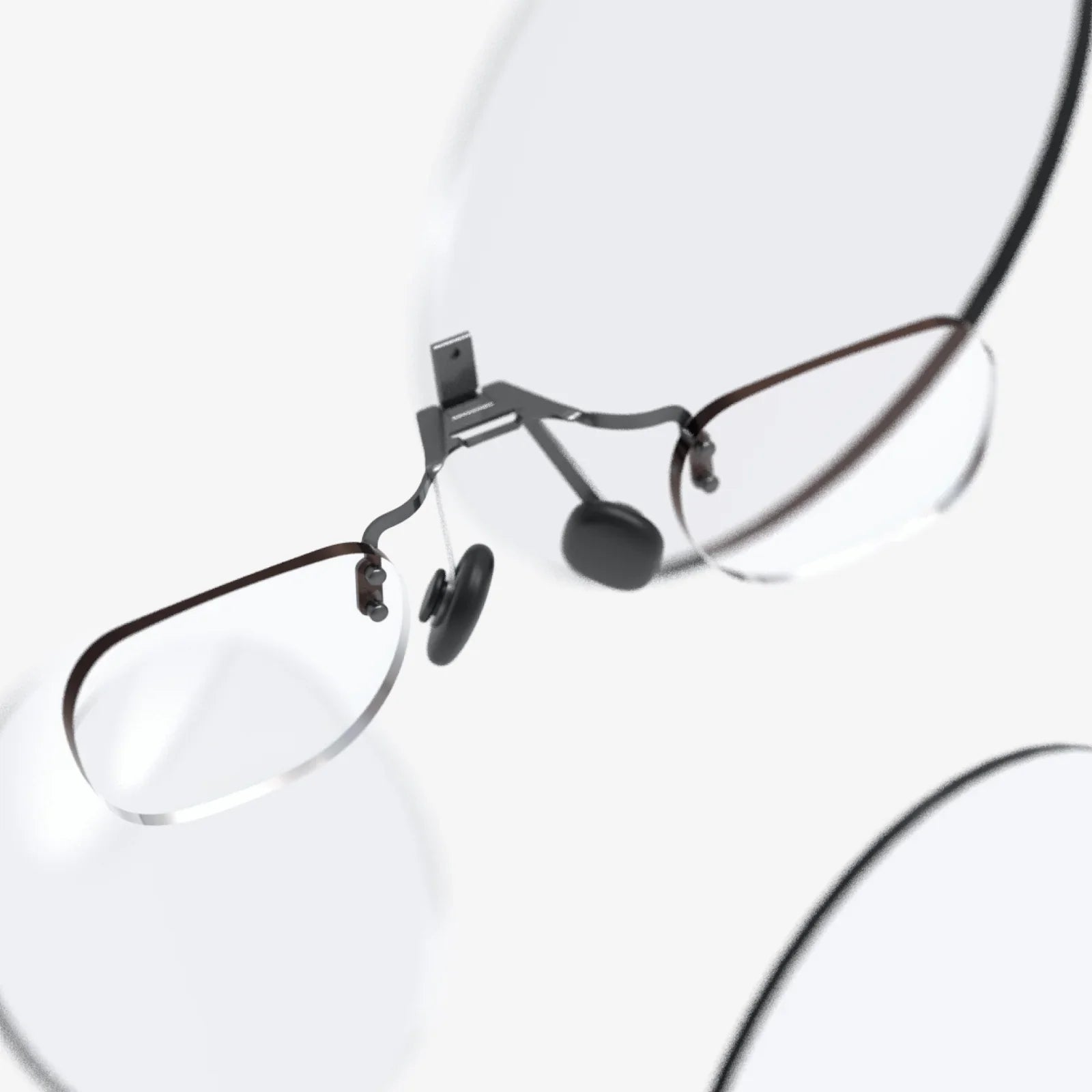
Imagine a world where your most essential digital tools are seamlessly integrated into your field of vision, accessible without ever needing to look down at a screen. This is no longer the realm of science fiction; it's the present and future being shaped by the best wearable glasses on the market. These sophisticated devices are redefining our interaction with technology, information, and the world around us, offering a glimpse into a hands-free, augmented reality-driven future that is both thrilling and practical.
The Evolution of Smart Eyewear: From Novelty to Necessity
The journey of wearable glasses began with ambitious prototypes that were often clunky, expensive, and limited in functionality. Early iterations were perceived by many as a solution in search of a problem. However, relentless innovation in micro-display technology, battery efficiency, artificial intelligence, and sensor miniaturization has dramatically transformed the landscape. Today's best wearable glasses are sleek, powerful, and designed with clear purposes in mind, moving from geeky gadgets to legitimate tools for productivity, creativity, and connectivity.
Defining the "Best": Key Features to Look For
Identifying the "best" wearable glasses is inherently subjective, as the ideal device depends heavily on the user's specific needs. However, several core features separate the exceptional from the mediocre.
Display Technology and Visual Fidelity
The heart of any pair of smart glasses is its display. The best models utilize advanced waveguides, micro-OLED, or Laser Beam Scanning to project high-resolution, bright, and clear images onto the lenses. Key considerations include field of view (a wider view often provides a more immersive experience), resolution, brightness for outdoor use, and the ability to manage transparency so digital objects blend naturally with the real world.
Audio Innovation
Surprisingly, audio is just as crucial as visuals. Many top-tier glasses employ innovative audio solutions like directional sound or bone conduction technology. This allows for a private listening experience where only the wearer can hear music, podcasts, or calls, while leaving their ears open to ambient sounds for safety and situational awareness. This is a significant advantage over traditional headphones, especially for cyclists, runners, or those working in dynamic environments.
Design and Comfort
For technology to be wearable, it must first be comfortable. The best wearable glasses are lightweight, ergonomically designed for extended use, and, critically, look like a regular pair of stylish eyewear. Manufacturers now partner with renowned optical brands to ensure their frames are fashionable and can often be fitted with prescription lenses, making them a true replacement for your everyday glasses.
Battery Life and Performance
Battery capacity dictates usability. Performance varies widely, from all-day battery life for models focused on audio and basic notifications to a few hours for power-hungry, full-color augmented reality experiences. The best devices strike a balance, offering sufficient juice for their intended use case and often featuring efficient charging cases.
Software Ecosystem and Intelligence
Hardware is nothing without intelligent software. A robust operating system capable of handling voice commands, touch controls, and intuitive navigation is essential. Furthermore, a thriving ecosystem of apps and services—from navigation and translation to fitness tracking and messaging—is what truly unlocks the potential of the device, transforming it from a passive display into an active assistant.
A World of Applications: Who Are They For?
The versatility of modern wearable glasses means they cater to a diverse range of users.
The Productivity Powerhouse
For professionals, wearable glasses can project virtual monitors into their field of view, creating a massive, portable workspace. Imagine coding, analyzing spreadsheets, or reviewing documents on a virtual 100-inch screen from a coffee shop, airport, or your home office. Hands-free access to calendars, emails, and video conferencing controls also streamlines workflows, minimizing constant context switching between a computer and a phone.
The Fitness and Outdoor Enthusiast
Runners and cyclists can view their pace, heart rate, and mapped route without breaking stride or looking at their wrist. Hikers can follow navigation cues overlaid directly onto the trail in front of them. This seamless access to data enhances the experience while maintaining a crucial connection to the physical environment.
The Creative and Developer
Artists and designers can use AR to visualize their creations in real space before committing to them. Developers are building the next generation of AR experiences, from interactive games that transform your living room into a digital playground to practical tools for field service technicians, who can see repair instructions overlaid on the machinery they are fixing.
The Everyday User
For the general consumer, the appeal lies in convenience and connection. You can get turn-by-turn directions while walking through a new city, translate foreign language signs in real time, watch a movie on a giant virtual screen during a flight, or simply control your music and take calls without ever touching a device or blocking your ears.
Navigating the Considerations: Privacy, Social Acceptance, and Cost
As with any transformative technology, the adoption of wearable glasses is not without its challenges. Privacy concerns are paramount, both for the user whose every glance could be recorded and for those around them who may be wary of being recorded without consent. Leading manufacturers are addressing this with clear physical indicators like recording lights and designing features with privacy at their core.
Social acceptance, once a major hurdle, is fading as the designs become more subtle and the utility more apparent. The stigma of the "glasshole" is being replaced by a recognition of practical value. Finally, cost remains a significant factor. This is cutting-edge technology, and premium models command a premium price. However, as with all tech, prices are expected to fall as components become more common and manufacturing scales.
Glimpsing the Horizon: The Future of Wearable Glasses
The current generation of wearable glasses is impressive, but it is merely a stepping stone. The future points toward even more seamless integration. We can anticipate contact-lens-based displays, even longer battery life, more sophisticated AI assistants that understand context and nuance, and haptic feedback systems that make digital interactions feel tangible. The line between the digital and physical worlds will continue to blur, fundamentally changing how we work, learn, play, and interact.
The quest for the perfect pair of smart eyewear is driving innovation at a breathtaking pace, pushing the boundaries of what's possible. The best wearable glasses available today are not just gadgets; they are portals to a new way of experiencing reality. They offer a unique combination of information, convenience, and immersion that smartphones simply cannot match. Whether you're a professional seeking an edge, an adventurer craving data without distraction, or a tech enthusiast eager to experience the next computing paradigm, there has never been a better time to explore what this revolutionary technology has to offer. The future is right before your eyes—you just have to put on the right glasses to see it.
Share:
Augmented Reality Glasses Other Industries Are Transforming
Augmented Reality Glasses Apps: The Invisible Revolution Reshaping Our World