


Imagine a world where your watch doesn't just tell time—it tells you you're about to get sick, your ring can pay for your coffee and unlock your front door, and your glasses translate a foreign street sign in real-time. This isn't a distant sci-fi fantasy; it's the tangible reality promised by the best wearable technology of 2025. The next generation of wearables is poised to leap from our wrists and pockets to become seamless, intelligent, and indispensable extensions of our very being, moving beyond mere convenience to become guardians of our health, architects of our efficiency, and windows to new digital realms. The era of passive tracking is over; the age of proactive, predictive, and deeply personal technology is here.
The Evolutionary Leap: From Quantified Self to Predictive Partner
The journey of wearable technology has been one of rapid maturation. We began with basic fitness trackers that counted steps, evolved to smartwatches that delivered notifications, and then entered a period of sophisticated health monitoring with electrocardiograms (ECG) and blood oxygen sensors. In 2025, this evolution reaches its logical apex: the transition from reactive data reporting to proactive health and wellness management. The best devices are no longer just telling you what happened; they are anticipating what will happen and guiding you to prevent it.
This shift is powered by a trifecta of technological advancement. First, sensor technology has become incredibly sophisticated, moving from optical heart rate monitors to non-invasive biosensors capable of measuring a vast array of biomarkers, including continuous glucose monitoring, blood pressure, hydration levels, and even early indicators of stress and anxiety through cortisol level detection. These sensors are also smaller, more energy-efficient, and more accurate, minimizing the notorious false positives that plagued earlier devices.
Second, the integration of Artificial Intelligence (AI) and machine learning is the true game-changer. Raw biometric data is meaningless without context. AI algorithms now process this constant stream of information—heart rate variability, sleep patterns, activity levels, and even voice tone—to build a unique baseline for each user. By learning your personal rhythms, the device can detect subtle deviations that signal an oncoming condition. Imagine receiving a notification that suggests you might be fighting off a virus, recommending rest and hydration based on a slight elevation in your resting heart rate and a change in your skin temperature—all days before you feel any symptoms.
Finally, the maturation of predictive analytics turns this personalized data into actionable, life-changing insights. The best wearable technology 2025 has to offer will not just warn you of atrial fibrillation; it will analyze your long-term trends to assess your personal risk factors for cardiovascular disease and suggest preventative lifestyle adjustments in consultation with AI-powered health platforms. This transforms the wearable from a simple tool into a predictive health partner, fundamentally changing our relationship with personal wellness and preventative medicine.
Form Factor Revolution: Beyond the Wrist
While the wrist remains a popular and practical location for wearable technology, 2025 will be remembered as the year the category truly exploded beyond the watch. Design innovation is focusing on miniaturization, discretion, and personal expression, allowing technology to integrate into our lives and styles more seamlessly than ever before.
Smart rings have emerged as a powerful contender in the wearable space. Their small form factor is ideal for 24/7 wear, including during sleep, providing unparalleled data continuity. Advanced models in 5 will feature miniaturized sensors for heart rate, sleep staging, and blood oxygen saturation, all packaged in a durable, waterproof design. Their primary advantage is their passive nature; they require no charging for days or even weeks and act as authenticators for everything from your car to your computer, all with a simple gesture.
Smart clothing represents another massive frontier. We are moving beyond shirts with rudimentary heart rate monitors to garments woven with conductive yarn and micro-sensors that can measure posture, muscle effort, breathing patterns, and even provide haptic feedback for athletic form correction. For professional athletes, this means optimizing performance and preventing injury. For the rest of us, it could mean a shirt that vibrates gently to correct our slouching at a desk or leggings that guide us through a yoga routine with subtle cues.
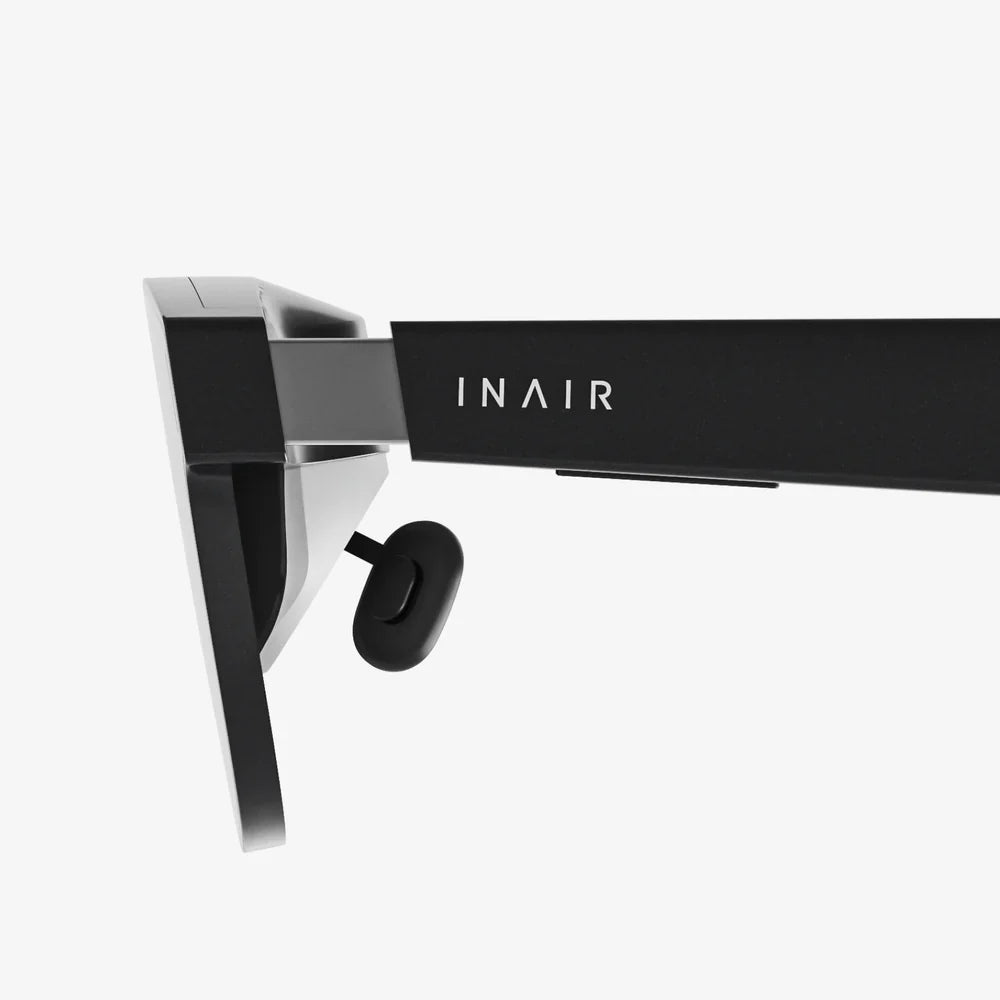
Perhaps the most significant form factor advancement is in smart eyewear. The dream of augmented reality (AR) glasses that overlay digital information onto the real world is finally becoming consumer-ready. The best wearable technology in 5 will include glasses with sleek, fashionable designs that rival traditional eyewear. They will offer features like real-time translation displayed in your field of view, turn-by-turn navigation arrows painted onto the street ahead, and contextual information about landmarks, all controlled by voice commands or subtle touch panels on the frames. This marks the beginning of true ambient computing, where technology enhances your reality without requiring you to look down at a screen.
The Seamless Ecosystem: Connectivity and Context
A device in isolation is merely a gadget. The true power of the 2025 wearable landscape is its deep, intuitive integration into a broader ecosystem of technology. The concept of the "digital hub" is shifting from the smartphone in your pocket to the wearable on your body. Your watch or glasses will become the central command center for your smart home, your car, and your personal AI assistant.
Ultra-wideband (UWB) technology is a critical enabler of this seamless experience. Unlike Bluetooth, UWB allows for precise spatial and directional awareness. This means your wearable will know not just that you are near your front door, but that you are walking toward it. It can automatically unlock the door before you even reach for the handle. Similarly, approaching your car will unlock it and set your preferred climate control and music playlist. This context-aware automation removes friction from daily interactions, making technology feel truly magical.
Furthermore, wearables are becoming the key to personalized environments. As you move from your car to your office to your home, your wearable will communicate with the environment to adjust lighting, temperature, and audio to your pre-set preferences, all without you lifting a finger. This creates a "context bubble" that travels with you, offering a consistent and curated experience tailored to your needs and moods throughout the day.
The Invisible Guardian: Advanced Health and Safety
The most profound impact of next-generation wearables will be in the domain of health and safety. We are entering an era where these devices will routinely save lives, not just by alerting emergency services after a fall, but by preventing medical crises before they occur.
Advanced algorithms will be capable of detecting patterns indicative of serious conditions like sleep apnea, and the early onset of illnesses like Lyme disease or COVID-19. For individuals with chronic conditions such as diabetes or hypertension, continuous, non-invasive monitoring provides a freedom previously unimaginable, reducing the need for painful finger-prick tests and constant doctor visits. This data can be seamlessly shared with healthcare providers through secure platforms, facilitating remote patient monitoring and enabling more timely interventions.
Safety features are also becoming more sophisticated. Future devices may include built-in microphones that use AI to analyze the sound environment for signs of danger, such as breaking glass, aggressive shouting, or the specific sound of a car accident. Upon detection, the device could automatically initiate a call to emergency services, share your location, and even play a pre-recorded message with vital medical information. For adventurers, new satellite connectivity features will ensure that emergency SOS functions work anywhere on the planet, from the middle of the ocean to the peak of a remote mountain.
Navigating the New Frontier: Privacy and Ethical Considerations
With great power comes great responsibility. As wearables collect increasingly intimate and continuous data about our bodies, minds, and lives, the questions of privacy, security, and ethics become paramount. The industry's biggest challenge in 2025 and beyond will be building and maintaining trust.
The biometric data collected by these devices is arguably the most personal information that exists. Who owns this data? How is it stored and encrypted? Could it be used by insurers to adjust premiums or by employers to monitor productivity and stress? The best wearable technology of 2025 will distinguish itself not just with advanced features but with a rock-solid commitment to privacy-by-design principles. This includes on-device processing for sensitive data (so it never leaves your wrist), transparent user controls over data sharing, and clear, unambiguous consent protocols.
Furthermore, as AI-driven recommendations become more common, we must guard against algorithmic bias. Health advice must be culturally competent, accessible, and based on diverse data sets to ensure it is effective for all populations. The goal is to empower users, not to create a new source of anxiety or discrimination. The companies that succeed will be those that treat user data as a sacred trust, not a commodity.
The wearable technology of 2025 is more than just a suite of impressive gadgets; it is the vanguard of a more intuitive, healthier, and connected human experience. It promises a future where technology fades into the background, working silently and proactively to enhance our capabilities, protect our well-being, and unlock our potential. The future isn't just coming; it's ready to be worn.
Choosing your next device will no longer be about which one has the brightest screen or the longest battery life, but about which ecosystem aligns with your life, which AI you trust with your health, and which form factor empowers you without intruding. The best wearable technology of 2025 invites you to step into a world where your potential is limitless, your health is proactively managed, and your reality is seamlessly augmented—all from a device designed not to be looked at, but to be lived in.
Share:
Affordable Smart Board: Revolutionizing Collaboration Without Breaking the Bank
Are Smart Devices Good or Bad? The Definitive Breakdown of Our Connected Lives