


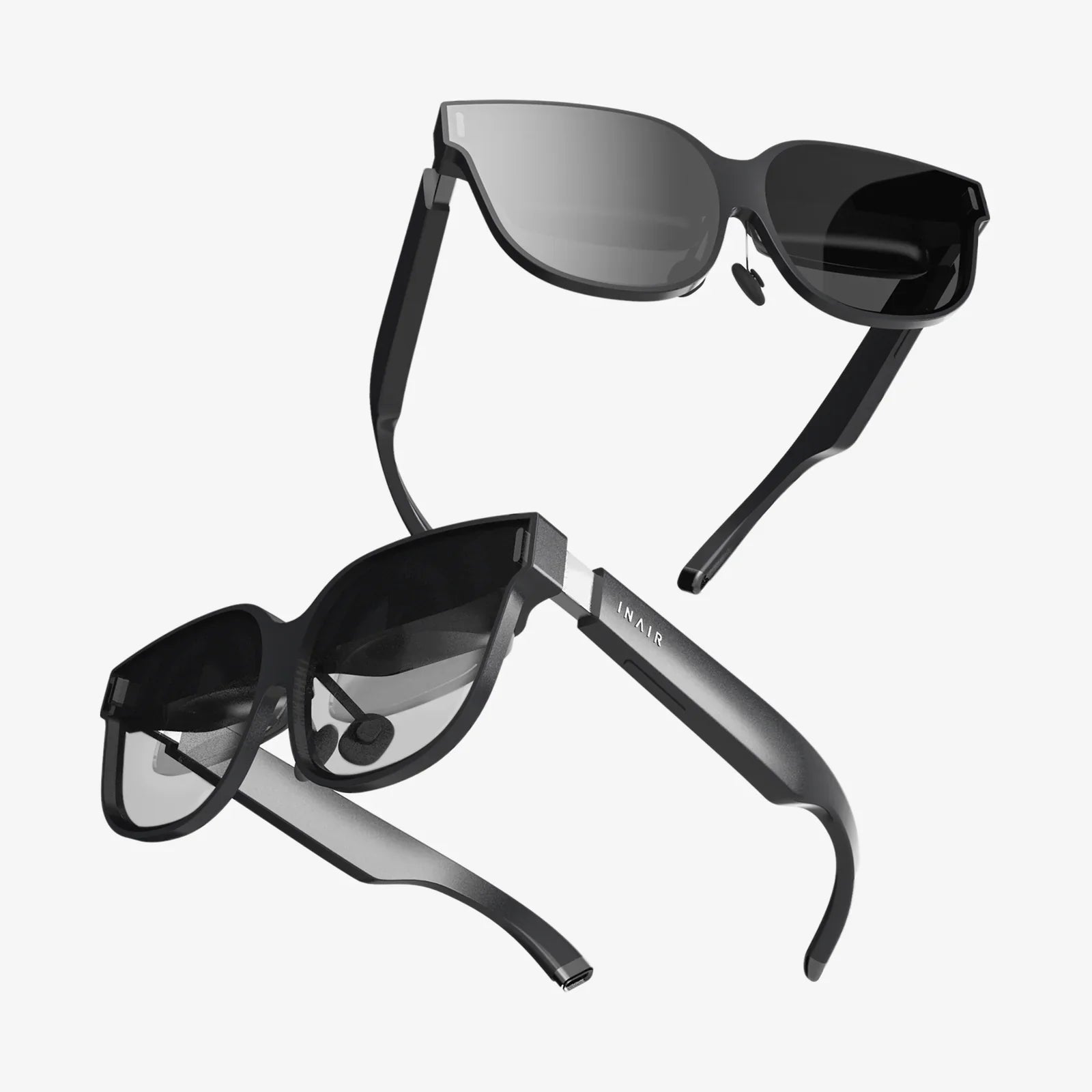
Imagine a world where your accessories don't just complement your outfit—they enhance your health, streamline your day, and connect you to what matters most. The search for the best women's wearable tech is no longer a niche pursuit for early adopters; it's a journey toward a more intuitive, informed, and empowered life. This technology has evolved from clunky gadgets to elegant, seamless integrations into our daily routines, offering a powerful fusion of form and function designed specifically for the multifaceted lives of women. The right device can be a silent partner in your wellness journey, a guardian of your safety, and a curator of your convenience, all from your wrist, finger, or clothing. Let's dive into the innovations that are redefining modern femininity.
Beyond the Step Count: The Evolution of Wearable Technology
Gone are the days when wearable tech for women meant a basic pedometer or a cumbersome heart rate monitor. Today's market is a sophisticated ecosystem of devices that cater to a holistic view of a woman's health and lifestyle. The evolution has been dramatic, moving from purely fitness-focused metrics to comprehensive wellness platforms.
Modern devices are equipped with a suite of sensors that go far beyond counting steps. They now monitor:
- Advanced Heart Health: Continuous heart rate tracking, heart rate variability (HRV) analysis, and notifications for unusually high or low heart rates.
- Sleep Architecture: Detailed breakdowns of light, deep, and REM sleep stages, providing actionable insights for improving sleep quality.
- Blood Oxygen Saturation (SpO2): Monitoring this vital sign can provide insights into overall wellness and recovery.
- Skin Temperature Trends: Tracking subtle changes that can indicate illness, stress, or hormonal shifts.
- Electrodermal Activity (EDA) and Stress Management: Measuring tiny electrical changes in the skin to identify moments of physical stress and guide users through mindfulness exercises.
This data is synthesized into intuitive apps, offering a dashboard of your personal health that was once only accessible in a clinical setting. The best women's wearable tech acts as a 24/7 health guardian, providing a proactive rather than reactive approach to well-being.
Form Meets Function: The Critical Importance of Design and Aesthetics
For technology to be truly wearable, it must be desirable. The most powerful sensor array is useless if the device sits in a drawer because it clashes with a professional outfit or a special occasion ensemble. Recognizing this, manufacturers have placed a huge emphasis on design, ensuring their products are as stylish as they are smart.
The design spectrum is vast, catering to diverse tastes:
- Sleek Smartwatches: Featuring premium materials like stainless steel, ceramic bezels, and sapphire glass crystals. They offer interchangeable bands—from silicone for the gym to leather for the office and metal mesh for an evening out—allowing for complete personalization.
- Discreet Smart Jewelry: These devices are masterclasses in subtlety. Rings, necklaces, and bracelets that house tiny sensors, tracking activity and providing discreet notifications through gentle vibrations or light patterns. They are designed to be beautiful first and tech second.
- Fashion-Forward Fitness Trackers: Slim bands with customizable, colorful displays and bands that prioritize a lightweight, unnoticeable feel while still delivering robust health data.
This focus on aesthetics means women no longer have to choose between looking good and leveraging cutting-edge technology. The best devices seamlessly integrate into your personal style, becoming a natural part of your wardrobe.
A Deep Dive into Health: Specialized Features for Women
Perhaps the most significant advancement in women's wearable tech is the development of features that address health concerns unique to women. This represents a move towards truly personalized and inclusive health technology.
Menstrual Cycle and Ovulation Tracking
Sophisticated wearables now incorporate cycle tracking that goes far beyond simple calendar logging. By leveraging biometric data like skin temperature, resting heart rate, and HRV, these devices can:
- Predict the start of menstrual cycles and ovulation windows with increasing accuracy.
- Provide insights into how different phases of the cycle affect sleep, energy levels, and athletic performance.
- Help users understand patterns in mood, cravings, and physical symptoms, empowering them to plan their lives and workouts accordingly.
This data creates a powerful feedback loop, helping women understand their bodies on a deeper level and potentially identify irregularities that warrant a conversation with a healthcare provider.
Pregnancy and Postpartum Monitoring
For expectant and new mothers, wearable tech offers invaluable support. Specialized modes can:
- Track the growth of the fetus alongside maternal health metrics.
- Guide users through safe, tailored prenatal workouts and meditation sessions.
- Monitor sleep patterns and stress levels during pregnancy and the postpartum period.
- Some devices even offer contraction timers and push reminders to hydrate, making them a versatile tool throughout the journey of motherhood.
Long-Term Health and Menopause
As women age, their health tracking needs evolve. The best wearables are valuable tools for navigating perimenopause and menopause by:
- Tracking the often erratic sleep patterns and night sweats associated with hormonal changes.
- Monitoring changes in heart health and bone density (through trend analysis and questionnaires).
- Offering guided content for managing stress, which can be exacerbated during this life stage.
Safety and Connectivity: Peace of Mind on Your Wrist
Beyond health, modern wearables provide a critical layer of personal safety, offering features that are particularly valued by women.
- Fall Detection and Crash Detection: Advanced sensors can detect hard falls or car crashes. If the user is unresponsive, the device can automatically place a call to emergency services and share their location with designated emergency contacts.
- Emergency SOS: With a press and hold of a button, users can quickly call for help and alert their contacts.
- Location Sharing: The ability to seamlessly share your real-time location with family or friends during a run, walk, or commute.
These features transform a wearable device from a simple health tool into a potential lifeline, providing confidence and security whether traveling alone, exercising outdoors, or simply going about daily life.
Navigating the Choices: Key Considerations Before You Buy
With so many options, selecting the right device requires careful thought. Here are the key factors to weigh:
- Battery Life: This is crucial. Do you prefer a device that needs a nightly charge (often offering more features and a brighter display) or one that lasts a week or more on a single charge (prioritizing convenience)?
- Ecosystem Compatibility: Ensure the device pairs seamlessly with your smartphone's operating system for the smoothest experience.
- Primary Use Case: Are you a serious athlete needing advanced GPS and performance metrics? Or are you more focused on general wellness, sleep tracking, and stress management? Your primary goal should guide your choice.
- Comfort: This is non-negotiable. If it's not comfortable to wear 24/7, you'll miss out on the most valuable data—sleep and all-day health trends.
- Subscription Models: Be aware that some manufacturers lock the most advanced health insights behind a monthly paywall. Factor this potential recurring cost into your decision.
The Future on the Horizon: What's Next for Women's Wearables?
The innovation in this space shows no signs of slowing. The next generation of wearables is poised to become even more integrated and insightful. We can expect to see:
- Non-Invasive Blood Glucose Monitoring: A holy grail for health tech that would revolutionize diabetes management for millions.
- Continuous Blood Pressure Monitoring: Providing a more dynamic picture of cardiovascular health without the need for a cuff.
- Advanced Fertility Insights: Even more precise predictions and a deeper understanding of reproductive health.
- Seamless Integration: True integration with smart homes, cars, and other IoT devices, making the wearable the central hub for your digital life.
- AI-Powered Health Coaches: Devices that don't just show data but offer personalized, actionable advice and predictions based on your unique biometric patterns.
The trajectory is clear: wearables are moving from passive trackers to active, AI-driven health partners.
The perfect piece of women's wearable tech feels less like a computer and more like an extension of yourself—an elegant, intelligent ally dedicated to your well-being. It’s the gentle nudge to move after an hour at your desk, the detailed sleep analysis that finally helps you conquer insomnia, the safety net that lets you explore the world with confidence, and the profound insight into the rhythm of your own body. This isn't about chasing metrics; it's about unlocking a more conscious, connected, and vibrant version of your life. The data is compelling, but the real revolution is happening in the quiet, daily moments of empowerment it provides.
Share:
Digital Product Development 2025: Navigating the Next Wave of Innovation and Strategy
What Are the Different Types of Smart Devices: A Complete Guide to the Connected Ecosystem