


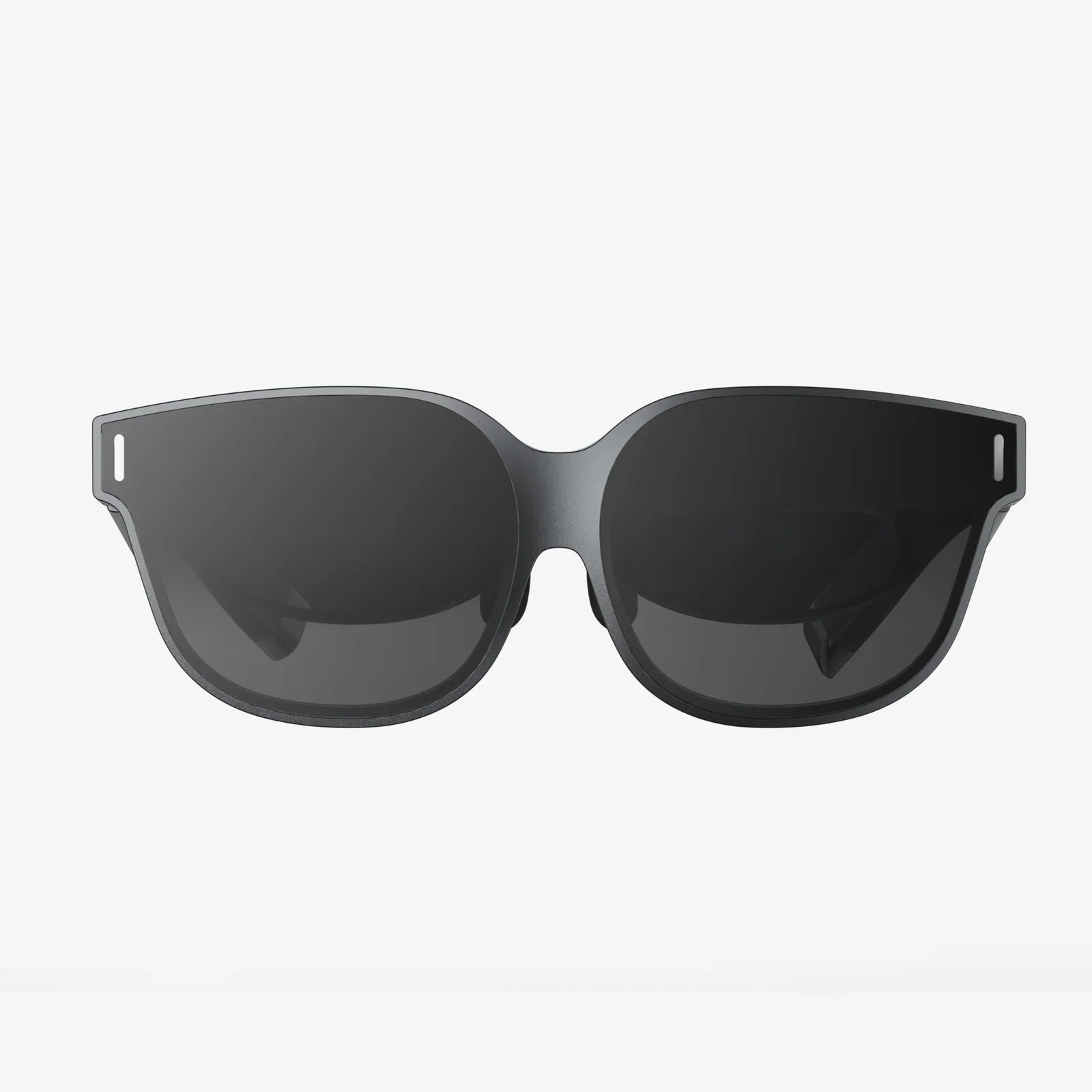
You’ve seen the future, and it’s massive, immersive, and breathtakingly real. The promise of a virtual cinema screen that dwarfs any home theater, a personal IMAX that you can strap to your face, is no longer science fiction. But as you stand on the precipice of this digital revolution, one burning question brings you back to reality: what does it truly cost to own a big-screen VR headset? The answer is far more nuanced than a simple number on a price tag. It’s a journey through cutting-edge technology, ecosystem lock-in, and the true meaning of value in the realm of virtual immersion.
The Allure of the Virtual Big Screen
The core selling point of a high-end VR headset is its ability to replicate, and indeed surpass, the experience of a traditional cinema. Imagine not just watching a blockbuster film on a 100-foot screen, but being inside the environment itself. These devices utilize sophisticated optics and high-resolution displays placed mere centimeters from your eyes to create a sense of scale and presence that is simply unattainable with a physical television or projector. The big screen VR headset price is, therefore, not just for hardware; it's an entry fee to a new dimension of entertainment, productivity, and social interaction.
Deconstructing the Cost: What You're Really Paying For
To understand the pricing spectrum, we must dissect the components that make these devices so extraordinary. The cost is a direct reflection of the advanced engineering packed into a single, wearable unit.
1. The Crown Jewels: Display and Optics
This is the heart of the big screen experience. The price is heavily influenced by the type, resolution, and refresh rate of the displays.
- Display Resolution: The quest for the "retina" VR display—where the human eye can no longer discern individual pixels (a phenomenon known as the "screen door effect")—drives cost. Headsets boasting 4K+ per eye or even higher resolutions require incredibly dense, miniaturized panels that are expensive to manufacture.
- Display Technology: Fast LCDs are common, but high-end devices are increasingly adopting Micro-OLED (OLED on Silicon). This technology offers perfect blacks, incredible contrast ratios, and faster pixel response times, eliminating motion blur and greatly enhancing immersion. This superior technology comes at a premium.
- Lens Quality and Field of View (FoV): Advanced, multi-element pancake lenses are replacing older Fresnel designs. They allow for a much slimmer headset profile and provide a sharper image across the entire field of view, but they are complex and costly to produce. A wider FoV, which increases the sense of presence, also requires more sophisticated optics, adding to the big screen VR headset price.
2. Processing Power: The Brain of the Operation
There are two primary paradigms here, each with a significant impact on cost:
- Standalone (All-in-One) Headsets: These have the computer built directly into the headset. You're paying for a complete, miniaturized mobile computing system—a powerful system-on-a-chip (SoC), RAM, and storage. The more powerful the internal processor, the higher the cost, as it needs to drive those high-resolution displays smoothly.
- PC-Connected (Tethered) Headsets: These headsets offload the processing to a powerful external computer. Consequently, the headset's cost is focused almost entirely on the display and tracking technology. However, the true total cost of ownership must include the price of a high-end gaming PC capable of running it, which can often double or triple the overall investment.
3. Tracking and Controllers: Your Gateway to Interaction
How the headset tracks your movement and interprets your commands is crucial. Inside-out tracking, where cameras on the headset itself map the environment, is now standard. Higher-end systems use more and better cameras for improved accuracy and a larger tracking volume, adding to the component cost. Likewise, advanced controllers with haptic feedback, finger tracking, and ergonomic design contribute to the overall big screen VR headset price.
4. Build Quality, Comfort, and Audio
A device meant to be worn for hours requires premium materials. Lightweight polymers, balanced weight distribution, and plush, replaceable facial interfaces all enhance comfort but add to manufacturing expense. Integrated, high-quality spatial audio systems that deliver 3D sound without bulky headphones are another feature that separates premium headsets from budget models.
The Price Spectrum: From Entry-Level to Cutting-Edge
The market for big-screen VR headsets has stratified into distinct tiers, each with its own value proposition.
The Accessible Tier (Budget-Conscious)
This tier is dominated by older generations and entry-level standalone devices. They offer a compelling introduction to VR and big-screen entertainment, but with notable compromises. Expect lower-resolution displays with a more noticeable screen door effect, a narrower field of view, and less sophisticated tracking. The big screen VR headset price here is attractive, but the experience, while fun, is a clear step below the high end.
The Mainstream Flagship Tier (The Sweet Spot)
This is the most competitive segment, featuring the latest standalone devices from major players. They represent the best balance of performance, features, and cost. Here, you'll find high-resolution displays (often at 4K+ levels), robust processing power for a great standalone experience, and comfortable, well-designed hardware. The price reflects its all-in-one nature, bundling the display, computer, and battery into one premium package. This is where most consumers find the best value for a true big-screen experience.
The Enthusiast & Professional Tier (No Compromises)
At the apex are the headsets designed for those who demand the absolute best, regardless of cost. This includes ultra-high-end standalone headsets and professional-grade tethered devices. Features here include dual Micro-OLED displays with stunning clarity and contrast, massive fields of view, eye-tracking technology for foveated rendering, and unparalleled build quality. The big screen VR headset price in this tier is significantly higher, often targeting developers, enterprise users, and hardcore enthusiasts with deep pockets. The cost is justified by bleeding-edge technology that is not yet economical for mass production.
Beyond the Headset: The Hidden Costs of VR Ownership
The initial purchase is just the beginning. A realistic budget must account for the entire ecosystem.
- The PC Tax (For Tethered Headsets): This is the single biggest hidden cost. To power a high-resolution tethered headset, you need a computer with a powerful modern graphics card, a strong CPU, and ample RAM. This can easily represent an investment equal to or greater than the headset itself.
- Software and Content: While many apps are free, premium games, experiences, and video content cost money. A robust library of software is essential to justify the hardware purchase.
- Accessories: Long-term comfort and usability often require additional purchases: elite straps with extra battery life, prescription lens inserts for those who wear glasses, premium face covers, dedicated VR covers for hygiene, and additional controller batteries.
Is It Worth It? Assessing Value in a Virtual World
Determining the value of a big-screen VR headset is a personal calculation. For a home theater enthusiast without the space for a projector and screen, a VR headset offers an unparalleled private cinema experience for a fraction of the cost of a dedicated room setup. For a gamer, it provides access to entirely new genres and a level of immersion flat-screen gaming cannot match. For a remote worker, it could be a gateway to virtual offices and collaborative spaces.
The big screen VR headset price is an investment in potential. You are buying into a platform that is still rapidly evolving. While the hardware is impressive today, it will continue to get better and cheaper. The key is to align your expectations and budget with the right tier of device. An entry-level headset is a fantastic first step, but if you are sensitive to visual fidelity and want the most compelling, comfortable experience for movies and games, the flagship tier is likely the wisest long-term investment. For the true technophile who must have the best available, the enthusiast tier exists, albeit at a steep premium.
So, before you click "add to cart," look beyond the headline number. Consider the type of experience you crave, the hardware you already own, and the ecosystem you want to join. The price of admission to your personal virtual IMAX is more than a dollar figure—it's a ticket to the next evolution of digital life, and that is a value proposition that, for many, is absolutely priceless.
Share:
What's the Purpose of Extended Reality? Exploring the Future of Human-Computer Interaction
What Type of Charger Does a VR Headset Use - A Complete Power Guide