


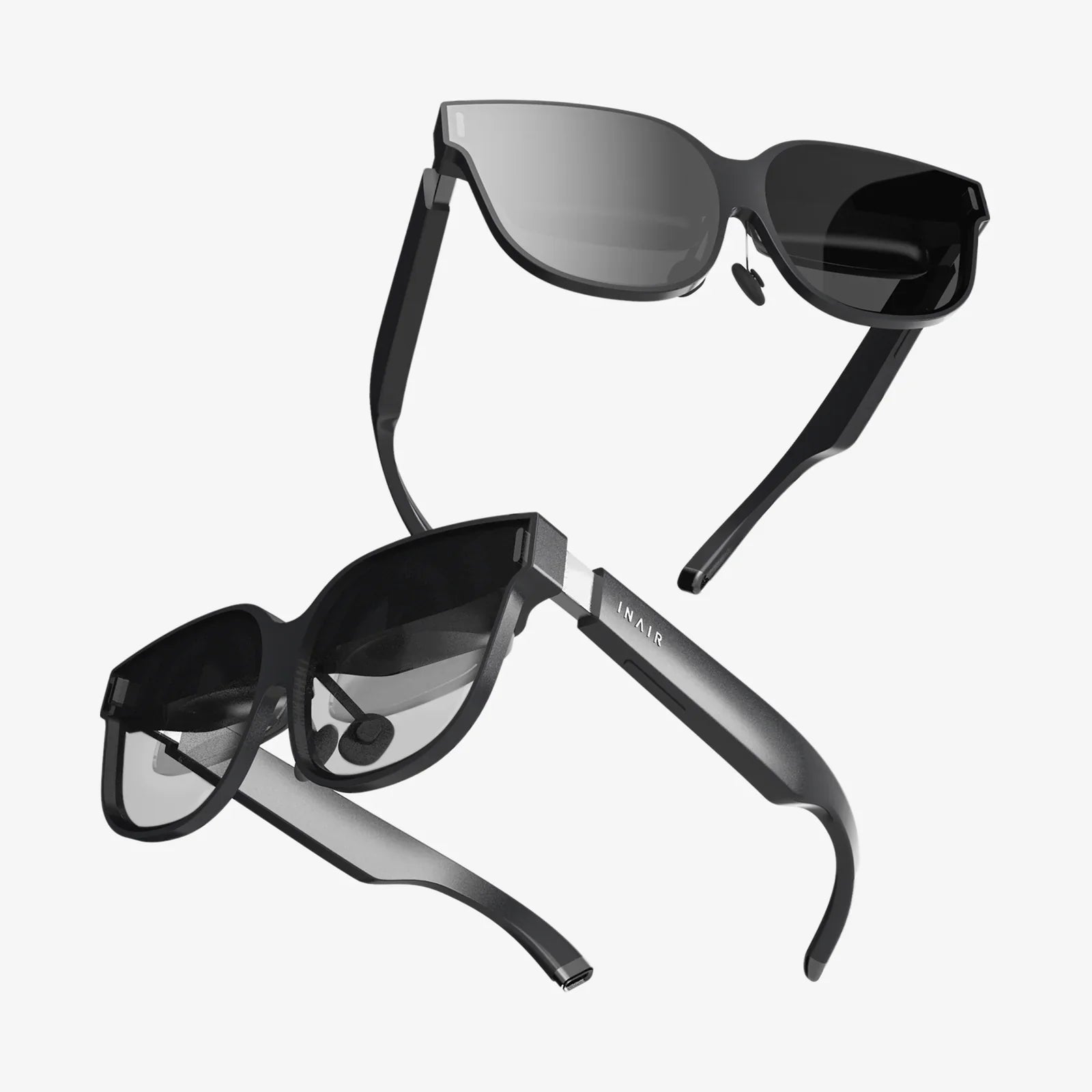
- by wangfred
Black Series Virtual Reality Goggles: The Ultimate Portal to Immersive Digital Worlds
- by wangfred
Imagine a device so powerful it can collapse continents into your living room, transform your perception of reality, and redefine the very essence of human experience. This is the promise held within the sleek, enigmatic form of the Black Series virtual reality goggles, a piece of technology that is far more than mere hardware—it is a key to unlocking infinite universes. For the uninitiated, it might look like an elaborate face-mounted screen, but for those who have dared to don them, it represents a fundamental shift, a before and after moment in their digital lives. The journey into this black abyss is one of profound discovery, and it starts with a single, deliberate act: lifting the headset and stepping into the void.
At its core, the allure of the Black Series begins with its physical engineering. Unlike earlier, bulkier iterations of VR technology, this series represents a significant leap towards sophistication and user comfort. The design philosophy is unmistakably focused on creating a seamless barrier between the user and the external world, a principle evident in every contour and component.
The headset itself typically features a high-density, lightweight polymer shell that feels substantial yet never cumbersome. This is critical for extended sessions, whether navigating a complex strategy game or exploring a virtual art gallery. A fully adjustable head strap system, often incorporating a rigid yet flexible halo design, ensures the weight is distributed evenly across the skull, eliminating pressure points on the face. This attention to ergonomics is what separates a novelty from a truly usable platform.
But the true magic lies behind the lenses. The Black Series is defined by its high-resolution dual-OLED or fast-switch LCD panels. These screens are the digital retinas, offering a pixel density so high that the dreaded "screen-door effect"—where users could discern the gaps between pixels—becomes a relic of the past. Coupled with a wide field of view that often exceeds 100 degrees, these displays create a convincing panoramic vista that fills the user's peripheral vision, eroding the sense of looking at a screen and replacing it with the sensation of being present within one.
This visual fidelity is supported by a robust refresh rate, frequently pushing 90Hz or even 120Hz. This high refresh rate is not a mere statistic; it is the bedrock of comfort and realism. It ensures motion within the virtual environment is rendered with buttery smoothness, drastically reducing the latency that can lead to simulation sickness and vertigo. The result is a visual experience that feels inherently real and responsive to the user's every head movement.
Visuals are only one instrument in the orchestra of immersion. The Black Series experience is a multi-sensory symphony, conducted through integrated spatial audio and precise motion tracking.
Built-in headphones or audio passthroughs deliver 3D spatial audio, a technology that uses advanced algorithms to simulate how sound waves interact with the human head and ears. In a virtual environment, this means a sound source behind and to the left of the user will be perceived exactly as such. The crackle of a fire, the whisper of an ally, or the approaching footsteps of an adversary are not just heard; they are spatially located, providing crucial environmental cues and deepening the emotional and tactical engagement.
Furthermore, the tracking technology embedded within the Black Series goggles is nothing short of revolutionary. Inside-out tracking, a hallmark of modern systems, utilizes a constellation of wide-angle cameras mounted on the headset itself. These cameras continuously map the physical room, tracking the position of the controllers and the user's head in real-time without the need for external base stations. This creates a robust and flexible play area, allowing for room-scale VR where users can physically walk, crouch, and dodge within their virtual playground. The precision of this tracking is absolute; a mere inch of physical movement translates to an inch of movement in the digital realm, forging an unbreakable bond between user action and on-screen reaction.
A powerful vessel is useless without destinations to explore. The hardware of the Black Series is the rocket ship, but the software is the universe of planets, stars, and galaxies it can visit. The ecosystem accessible through these goggles is vast and continually expanding, catering to every conceivable interest.
The proliferation of sophisticated, accessible VR technology like the Black Series is not happening in a vacuum. It is sending ripples across countless industries, forcing a re-evaluation of how we work, learn, and connect.
The entertainment industry is undergoing a paradigm shift, moving from traditional storytelling to experiential storytelling. Film directors, game developers, and artists are no longer confined to a rectangular frame; they are designing worlds. The healthcare sector is embracing VR for pain management, physical therapy, and the treatment of phobias and PTSD through controlled exposure therapy. Corporate enterprises are using VR for immersive training simulations, from practicing public speaking to mastering dangerous industrial procedures in a consequence-free environment.
On a societal level, this technology promises to democratize experience. Individuals with mobility issues can tour the world, those in remote areas can access world-class educational resources, and people can maintain deep social connections regardless of physical distance. However, this new frontier also brings challenges, including concerns over data privacy in highly immersive environments, the potential for new forms of addiction, and the long-term psychological effects of increasingly blurring the lines between the real and the virtual.
The Black Series, in many ways, is a glimpse into a future that is arriving faster than many anticipated. It represents a current peak in consumer-grade VR, but it is merely a stepping stone. The trajectory of this technology points toward even greater integration with our lives. The next evolution will likely involve advancements in haptic feedback, providing realistic touch sensations through advanced gloves and suits. Eye-tracking technology will become standard, allowing for foveated rendering (where only the spot you're looking at is rendered in full detail, vastly improving performance) and more intuitive avatar interaction. Further out, the line between the goggles and everyday wearables will fade, perhaps evolving into something as socially acceptable as a pair of sunglasses.
The ultimate goal, the holy grail of VR, is achieving presence—the undeniable, unconscious belief that you are somewhere else. The Black Series brings us tantalizingly close to that precipice. It challenges our definitions of reality and connection, offering a canvas limited only by human imagination. It asks a simple, profound question: if you can be anyone, anywhere, anytime, who will you choose to be?
Sliding the headset off feels less like ending a session and more like returning from a journey. The room you left is the same, but your perception of it, and your place within the vast tapestry of realities, is irrevocably altered. The world feels different because you now know, with absolute certainty, that there are other worlds waiting just behind your eyelids, accessible through a simple, sleek, and profoundly powerful portal. The abyss of the Black Series doesn't just stare back; it invites you in for a deeper look, promising that the greatest adventures are no longer out of reach—they are waiting, pre-loaded, in the device resting in your hands.