


- by wangfred
Blue AR Glasses: The Next Evolution in Augmented Reality Technology
- by wangfred
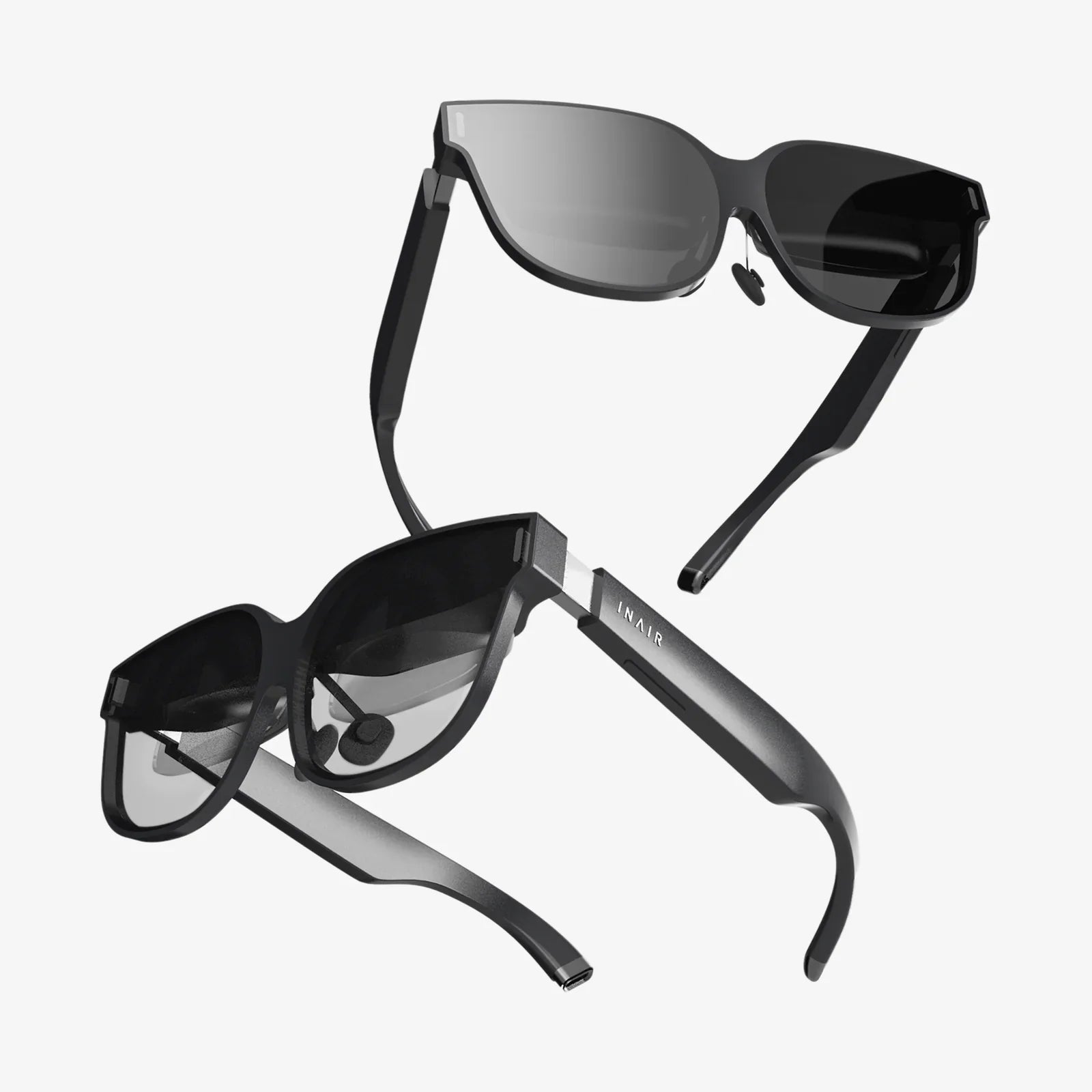
Imagine a world where digital information doesn’t just live on a screen but is seamlessly woven into the very fabric of your perception, tinted not with the cold glare of standard displays, but with the innovative hue of advanced optical technology. This is the promise, the allure, and the imminent reality of blue AR glasses, a technological leap that is poised to transform everything from how we work to how we connect with the world around us. This isn't science fiction; it's the next chapter in human-computer interaction, and it's arriving through a lens of brilliant blue.
At first glance, the defining characteristic of this new class of device might seem purely aesthetic. However, the choice of a blue light filter or blue laser diode technology is a deliberate and deeply technical decision rooted in the physics of light and the biology of human vision.
Traditional display systems often struggle with achieving perfect blacks and high contrast ratios, especially in bright environments. The specific wavelength of blue light utilized in these advanced systems allows for a significantly higher degree of control. By employing blue laser technology, developers can create micro-displays with exceptional brightness and pixel density. This blue light is then converted into a full spectrum of colors through sophisticated phosphor layers or waveguide combiners, resulting in imagery that is remarkably vivid, crisp, and energy-efficient.
Furthermore, this approach offers a practical advantage: ambient light rejection. The optics are tuned to be highly selective, allowing the digital blue-based light to pass through while effectively blocking out external environmental light that would otherwise wash out the image. This means the augmented overlays remain clear and legible even under direct sunlight, a historic challenge for earlier augmented reality devices.
The implications of this visual fidelity extend far beyond watching a high-definition virtual movie. It fundamentally changes the way we can interact with digital content.
The potential applications for this technology span virtually every sector of the economy, promising to boost efficiency, enhance safety, and unlock entirely new capabilities.
The medical field stands to gain immensely. The high contrast and precision offered by blue optical systems are critical in medical imaging. A surgeon could have vital signs, MRI data, or ultrasound imagery anchored directly to a patient's body, allowing them to maintain focus without looking away. Medical students could practice complex techniques on hyper-realistic virtual cadavers, accelerating their training without risk.
On assembly lines, workers could receive hands-free, graphical instructions directly in their line of sight, reducing errors and speeding up complex assembly processes. Warehouse pickers could have optimal routes and item locations highlighted in their vision, dramatically improving logistics efficiency. Remote experts could see what a local technician sees and annotate the real world with arrows and notes to guide repairs, saving time and travel costs.
Product designers and architects can prototype in real-time, manipulating and examining full-scale 3D models with colleagues from around the world in a shared augmented space. The ability to see a design in its intended environment with photorealistic quality, thanks to the advanced color and contrast, enables better decision-making long before physical resources are committed.
For any wearable technology to succeed, it must overcome the hurdles of comfort, battery life, and social design. Devices utilizing blue light technology have a natural advantage here. The efficiency of the underlying light engine often leads to smaller, lighter, and more thermally manageable form factors. This means glasses that look closer to regular eyewear, are comfortable for all-day wear, and don't require bulky components that draw unwanted attention.
Social acceptance is another key frontier. As the form factor shrinks and the aesthetic becomes more akin to fashionable eyewear, the barrier to wearing them in public diminishes. The goal is not to create a device that isolates the user from their environment, but one that enhances it, allowing for moments of digital augmentation without sacrificing human connection. The development of polite, intuitive interfaces—like glance-based menus or voice control—ensures the technology remains a helpful tool, not a distracting barrier.
The path forward is not without its challenges. As with any technology that integrates so deeply into our lives, important questions regarding data privacy, security, and digital ethics must be addressed. When our glasses are constantly capturing and analyzing our surroundings, who owns that data? How is it protected?
Furthermore, the potential for digital addiction or the creation of a societal divide between those who have access to this augmented layer of reality and those who do not is a serious consideration. The technology itself is neutral, but its implementation requires careful thought, robust ethical frameworks, and inclusive policies to ensure it benefits humanity as a whole.
From a technical standpoint, the quest for even wider fields of view, longer battery life, and more powerful processing will continue. The future likely lies in a hybrid approach, where these advanced blue optical systems are combined with other sensing technologies like eye-tracking and neural interfaces to create even more intuitive and seamless experiences.
The emergence of blue AR glasses marks a definitive turning point. It’s the moment where augmented reality sheds its gimmicky past and steps into its future as a truly practical, powerful, and pervasive computing platform. It’s a future where the line between the physical and digital worlds finally blurs, not on a screen you hold, but in the world you see, all through a revolutionary lens of blue. The view has never been clearer, or more exciting.
Share:
Best Virtual Reality Experience in the World: A Journey Beyond Reality
Portable Computer Screen Monitor - The Ultimate Guide to Expanding Your Digital Workspace Anywhere