


- by wangfred
Bluetooth Headset AI Glasses The Ultimate Fusion of Audio and Augmented Intelligence
- by wangfred
Imagine a world where your most personal technologies don't just coexist but converge into a single, elegant device that feels less like a piece of tech and more like a natural extension of yourself. This is no longer the stuff of science fiction; it's the reality being forged at the intersection of advanced acoustics and artificial intelligence. The fusion of a high-fidelity Bluetooth headset with sophisticated AI-powered smart eyewear represents one of the most significant leaps in wearable technology, promising to untether us from our screens while keeping us more connected and informed than ever before. This isn't just an upgrade; it's a fundamental reimagining of how we interact with our digital ecosystem, offering a glimpse into a future where our gadgets anticipate our needs, understand our environment, and enhance our reality without ever demanding our full attention.
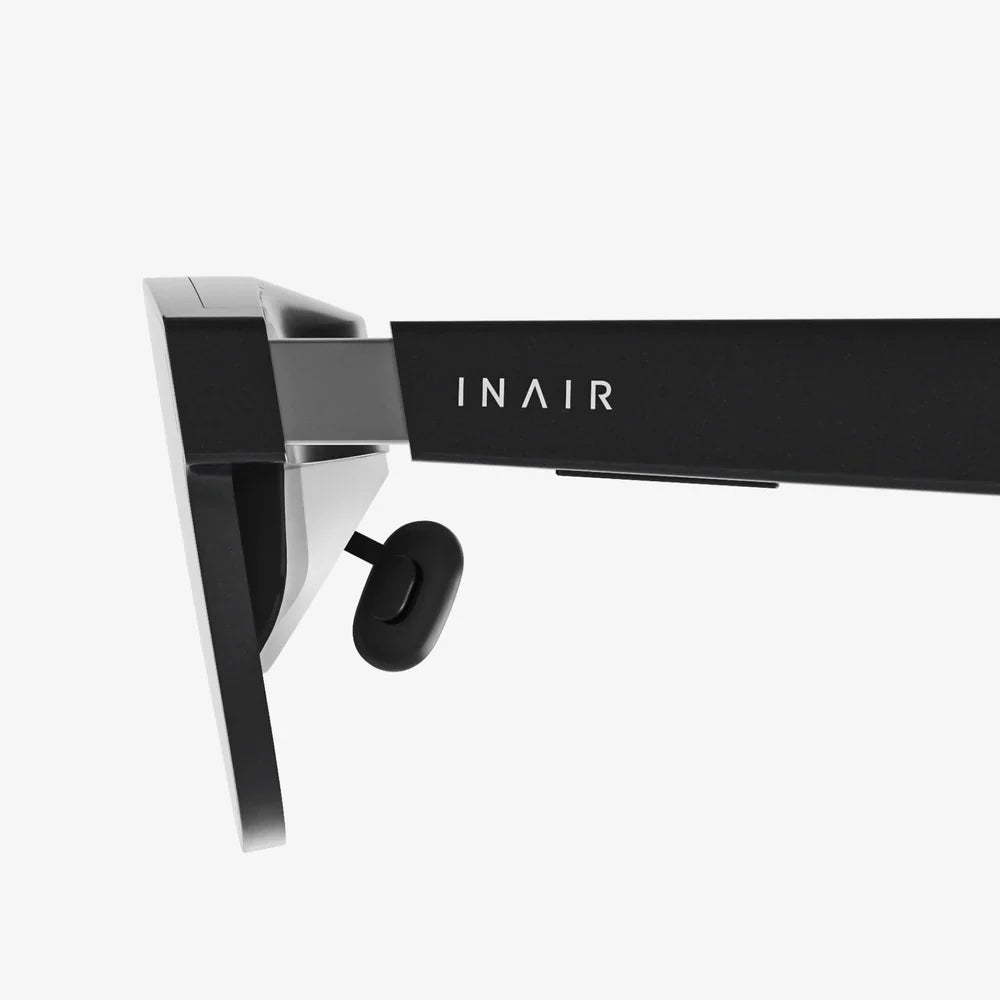
At first glance, the engineering challenge of combining high-quality audio with visual augmentation seems daunting. Traditional headphones rely on creating a seal within or over the ear to deliver rich, immersive sound. Eyewear, by its very nature, occupies the same precious real estate on the human head. The solution lies in a radical rethinking of audio delivery. Instead of conventional speakers, these devices utilize advanced bone conduction technology or miniature, precisely calibrated open-ear speakers.
Bone conduction transducers send subtle vibrations through the facial bones directly to the inner ear, bypassing the eardrum entirely. This allows the user to hear music, take calls, and receive audio alerts while their ear canals remain completely open to ambient sounds—a critical feature for situational awareness and safety. Alternatively, open-ear speakers are strategically placed in the arms of the glasses, projecting a beam of sound into the ear canal without obstruction. This method, often enhanced with audio beamforming technology, creates a private listening experience that feels expansive and clear without isolating the user from their surroundings. The result is a seamless audio experience that feels both personal and permeable, allowing for a constant, safe connection to the physical world.
The "AI" in these glasses is what transforms them from a clever audio peripheral into a powerful cognitive partner. This is far more sophisticated than the simple voice-activated assistants found on smartphones and smart speakers. Integrated directly into the frame, a dedicated processing unit, powered by machine learning algorithms, operates in concert with an array of sensors—including microphones, accelerometers, and sometimes even miniature cameras.
This onboard intelligence enables a level of contextual awareness that is truly transformative. Natural Language Processing (NLP) has advanced to the point where the AI can understand conversational speech, complex commands, and even nuanced intent without requiring specific "wake words" for every interaction. It can distinguish between you talking to it and you having a conversation with a friend, activating only when genuinely addressed. This AI can also perform real-time translation, allowing you to converse with someone in a foreign language as their words are translated and spoken into your ear almost simultaneously. For professionals, this can dissolve language barriers in meetings; for travelers, it can transform a trip abroad.
The Bluetooth connection in these devices is their lifeline, but its function has been profoundly elevated. The latest Bluetooth standards ensure a stable, low-latency, and energy-efficient connection to a smartphone, acting as a bridge to the vast processing power and data of the cloud. However, the glasses themselves are often a hub, capable of connecting to multiple devices simultaneously.
Imagine walking from your home office to your kitchen; your glasses seamlessly hand off the audio connection from your laptop to your tablet without a single dropped word of your podcast. Or, they can manage multiple incoming audio streams, allowing you to hear navigation prompts from your phone's GPS while simultaneously listening to an audiobook and remaining alert to important notifications. This multipoint connectivity is managed intelligently by the AI, which prioritizes alerts based on your preferences and current activity. An urgent message from a family member might interrupt your music, while a social media notification might simply be logged silently for later review.
The true power of this technology is revealed in its vast range of applications, which stretch across nearly every facet of modern life.
For the knowledge worker, these glasses are a productivity powerhouse. They enable immersive focus by replacing distracting screen-based notifications with subtle, context-aware audio cues. You can dictate emails, transcribe meeting notes in real time, and access data hands-free while looking colleagues in the eye. Remote assistance becomes incredibly intuitive; a technician wearing them can receive guided instructions overlaid on their field of view, with an expert remotely seeing what they see and annotating their reality to solve complex problems.
This is perhaps the most profound application. The combination of sensors and AI creates a powerful platform for personal health monitoring. Advanced algorithms can analyze vocal biomarkers in your speech to detect signs of fatigue, stress, or even certain health conditions. Built-in sensors can track posture, reminding you to sit up straight after hours at a desk, or monitor exposure to harmful UV light. For fitness, they provide a soundtrack to your workout with metrics delivered audibly, all while keeping you aware of traffic and your environment—a significant safety advantage over noise-canceling headphones.
The technology serves as a powerful assistive device. For individuals with visual impairments, the AI can act as a visual interpreter, describing scenes, reading text from signs or documents aloud, and identifying currency. For those with hearing difficulties, it can amplify and clarify speech in noisy environments or provide real-time captioning of conversations, displayed on a minimal heads-up display, making social interactions more accessible.
Of course, a device that sits on your face and sees and hears the world as you do raises legitimate concerns. Privacy and security are paramount. Manufacturers address this with hardware solutions like physical camera shutters and microphone mute switches, providing users with tangible control. Data is encrypted, and processing is increasingly done on-device rather than in the cloud, ensuring that sensitive audio and visual information never leaves the glasses without explicit permission. The societal conversation about the etiquette and regulation of such devices is ongoing and crucial for their widespread acceptance.
Furthermore, the hurdle of design and social acceptance is significant. The technology must be packaged in a form factor that people actually want to wear. This means moving beyond a tech-forward, geeky aesthetic to offer a range of styles, fits, and customizable options that cater to diverse tastes, from classic frames to modern sport designs. Battery life remains a balancing act between performance and all-day wearability, though low-energy components and efficient AI are steadily pushing the boundaries.
The evolution of Bluetooth headset AI glasses points toward a future of ambient computing—a world where technology recedes into the background of our lives. The goal is not to create more immersive virtual worlds to escape into, but to enhance our reality with a subtle, intelligent layer of information and assistance. The device itself becomes invisible; we interact not with a gadget, but with the outcomes it provides: knowledge, connection, and convenience, delivered intuitively and effortlessly.
We are standing at the precipice of a new era in personal technology, one defined not by the size of our screens but by the intelligence of our interactions. Bluetooth headset AI glasses are the vanguard of this shift, offering a compelling vision of a world where our tools understand us, adapt to us, and empower us without ever getting in the way. The next time you see someone wearing a pair of stylish frames, they might not just be making a fashion statement—they might be quietly conversing with the future.