


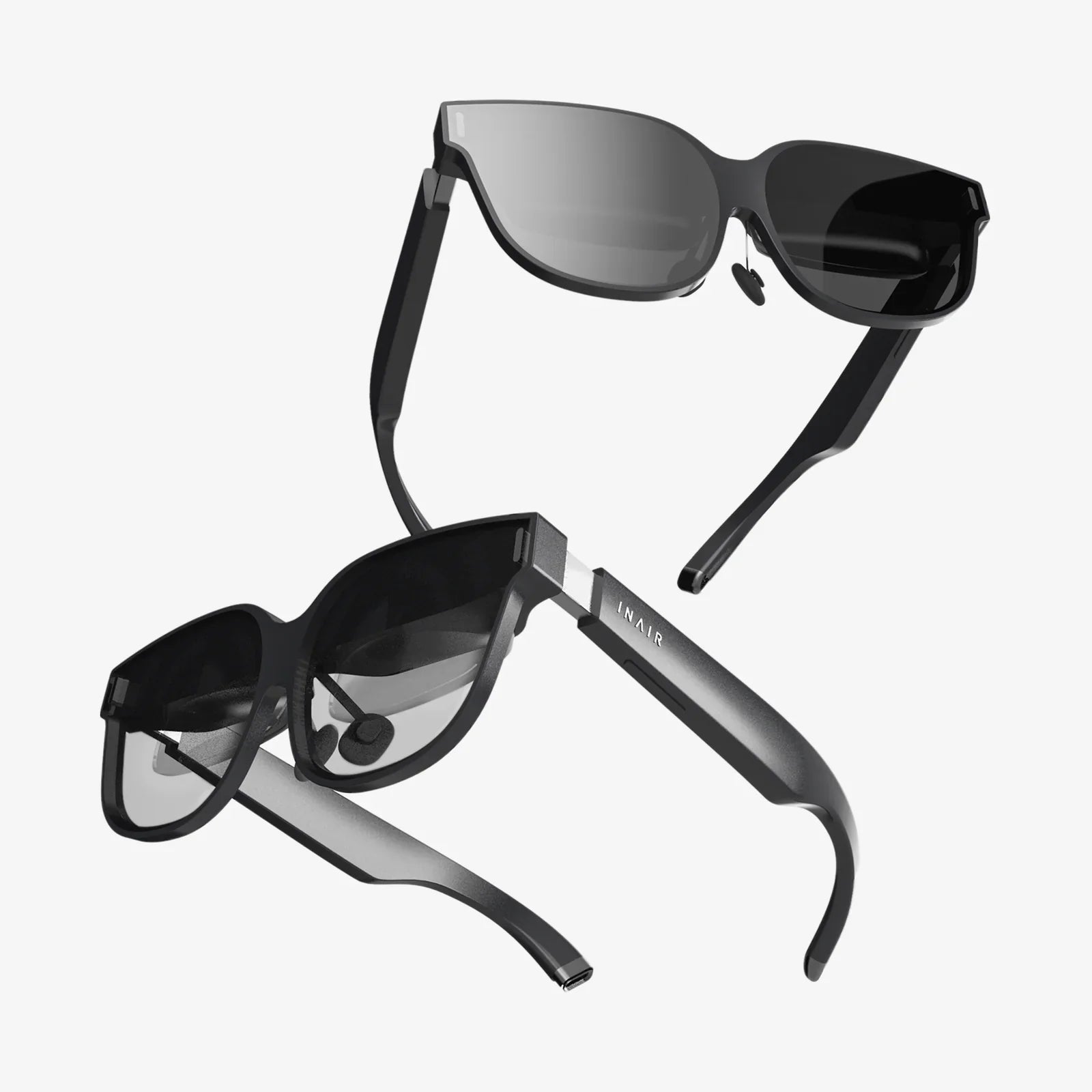
Imagine a world where your favorite playlist streams directly into your ears, your important calls are handled with a subtle tap, and your daily schedule is whispered to you—all without a single wire or earbud in sight. This isn't a scene from a sci-fi movie; it's the reality offered by the sleek, sophisticated world of bluetooth spectacles. This groundbreaking wearable technology is quietly dissolving the barrier between our digital and physical lives, offering a seamless, hands-free auditory experience that feels less like a gadget and more like a natural extension of oneself. They represent a paradigm shift, moving computing from our hands and pockets onto our faces, integrating technology into the very frame of our everyday existence.
The Convergence of Form and Function
At their core, bluetooth spectacles are a marvel of modern miniaturization. They are not merely eyeglasses with speakers clumsily attached; they are a carefully engineered fusion of optical wear and advanced audio technology. The fundamental components are elegantly integrated into the arms or frame of the spectacles, maintaining a profile that is often indistinguishable from traditional eyewear.
The technology hinges on a small system-on-a-chip (SoC) that houses the bluetooth radio, a digital signal processor (DSP), a battery, and miniature speakers. The bluetooth module is responsible for creating a stable, low-energy wireless connection to your smartphone, tablet, or laptop. This allows for the seamless streaming of audio, whether it's music, podcasts, phone calls, or navigation directions. The DSP then works to process this audio, often employing noise-suppression algorithms to ensure call clarity and sometimes even offering basic equalization for music playback.
A Symphony of Features in a Single Frame
The true appeal of bluetooth spectacles lies in the rich suite of features they pack into a familiar form factor. They are the epitome of multifunctional design, replacing several separate devices with one elegant solution.
Unparalleled Audio Convenience
The most immediate benefit is the liberation from headphones. For those who wear prescription lenses, it eliminates the uncomfortable and often impractical struggle of wearing earbuds or over-ear headphones with glasses. The audio is delivered through tiny, directional speakers placed near the ear, typically employing bone conduction or open-ear audio technology. This allows ambient environmental sounds to remain audible, making them significantly safer for walking in urban areas or exercising outdoors compared to noise-canceling earbuds. You can enjoy your audio while remaining fully aware of your surroundings.
Seamless Communication
Handling phone calls becomes an effortless experience. Integrated microphones, often using beamforming technology to focus on the user's voice, pick up speech clearly while filtering out background wind and noise. Answering or ending a call is usually managed through a simple touch-sensitive pad on the arm of the spectacles or a physical button. This allows for discreet, hands-free conversations anytime, anywhere, making them an invaluable tool for professionals, commuters, and multitaskers.
Voice Assistant Integration
With a simple voice command, users can activate the digital assistant on their connected phone. This enables a truly hands-free mode of operation for setting reminders, asking questions, sending messages, controlling smart home devices, and initiating navigation—all without ever reaching for a phone. This integration turns the spectacles into a personal command center, providing information and executing tasks through simple voice interactions.
Who Stands to Benefit the Most?
While anyone can appreciate the convenience, certain groups will find bluetooth spectacles particularly transformative.
- The Active Professional: For those constantly on conference calls or moving between meetings, the ability to take calls and receive calendar alerts without being tethered to a phone or headset is a significant productivity booster.
- The Fitness Enthusiast: Runners and cyclists benefit immensely from open-ear audio that allows them to hear traffic and their environment, all while tracking their workout metrics and listening to motivating playlists.
- The Multitasking Parent or Home Manager: Juggling household tasks while staying connected for calls or listening to podcasts becomes far simpler when your audio isn't sealed inside your ears.
- The Tech-Savvy Traveler: Navigating a new city with turn-by-turn directions whispered to you, while easily translating foreign languages or listening to an audio guide, creates a seamless and immersive travel experience.
- Individuals with Hearing Difficulties: Some models are specifically designed to act as discreet hearing amplifiers, streaming conversations and other sounds directly to the wearer, thus offering a powerful assistive technology that carries no social stigma.
Navigating the Considerations Before You Buy
As with any emerging technology, there are important factors to weigh before making a purchase. Understanding these will ensure you choose a pair that perfectly fits your lifestyle and needs.
Battery Life and Charging
Battery life is a primary consideration. Most models offer between 6 to 16 hours of continuous audio playback or talk time on a single charge, with standby time lasting several days. Charging is almost universally handled via a magnetic or physical proprietary charging cable. It's crucial to assess your daily usage patterns. If you're on calls all day, you'll need a model with exceptional talk time. For intermittent use, a standard battery will suffice.
Audio Quality Realities
It is essential to set realistic expectations for audio fidelity. Due to their small speaker size and open-ear design, bluetooth spectacles cannot compete with the rich, immersive bass and sound isolation of high-quality over-ear headphones. The audio experience is more akin to having a personal speaker near each ear. It's clear and perfectly adequate for podcasts, calls, and most music, but audiophiles seeking a concert-like experience may be disappointed. The trade-off is the unparalleled awareness of your environment.
Fit, Comfort, and Prescription Lenses
Since these are, first and foremost, glasses, fit is paramount. A poor fit will lead to discomfort that no amount of technological features can overcome. Many manufacturers offer a wide range of frame styles, sizes, and materials. Crucially, most models are compatible with prescription lenses. You can typically have your own optician fit lenses into the frames, or use the manufacturer's partnered service. Ensuring the frame style suits your face shape and that the weight of the technology-laden arms is comfortable for all-day wear is a critical step.
Connectivity and Controls
Most modern bluetooth spectacles use Bluetooth technology, ensuring broad compatibility with iOS and Android devices. The user interface is another key area. Some rely on touch-sensitive swipes and taps on the arms, while others use physical buttons. Each has its advantages: touch controls offer a sleeker look but can be accidentally activated, while physical buttons provide more tactile feedback and are less prone to errors.
The Future is Clear (and Audible)
The evolution of bluetooth spectacles is far from over. We are standing at the precipice of even more incredible integrations. Future iterations are likely to incorporate augmented reality (AR) displays, projecting information like maps, messages, or translations directly onto the lenses. Advanced biometric sensors could monitor health metrics like heart rate and calories burned. AI integration will become more sophisticated, offering real-time translation and context-aware information based on what the user is looking at. The line between a communication device, a health monitor, and a visual computing platform will continue to blur, all housed within the familiar form of a pair of glasses.
The quiet hum of innovation is no longer confined to labs and prototypes; it's now resting on the bridges of our noses. Bluetooth spectacles are more than a clever gadget; they are a bold step toward a more integrated, intuitive, and less intrusive relationship with our technology. They challenge the notion that being connected means being disconnected from the world around us, offering a harmonious middle ground. So, the next time you see someone seemingly talking to themselves on the street, take a closer look. They might just be wearing the future on their face, listening to a symphony only they can hear, and seeing the world not as it is, but as it could be.
Share:
3D Virtual Headset: The Ultimate Portal to Immersive Digital Realities
What's XR? The Ultimate Guide to the Extended Reality Universe