


Imagine pointing your smartphone at a seemingly ordinary product on a store shelf and watching it spring to life, telling its story, demonstrating its features, or even inviting you to play a game. This is no longer the stuff of science fiction; it’s the powerful, present-day reality of branded AR content. This transformative technology is rapidly evolving from a novel marketing gimmick into a fundamental pillar of modern brand strategy, creating immersive bridges between the physical and digital worlds that captivate audiences and forge deeper, more meaningful connections.
The Evolution of Engagement: From Interruption to Immersion
For decades, brand communication was largely a one-way street. Billboards, television commercials, and print ads interrupted consumers' lives with messages they didn't always want. The digital age brought interactivity with websites and social media, but the experience was still largely confined to a screen. Branded AR content shatters this paradigm. It doesn’t interrupt an experience; it becomes the experience itself. It layers information, entertainment, and utility directly onto the user's physical environment, making the brand an active participant in their world.
This shift from interruption to immersion represents the most significant change in consumer engagement since the advent of the internet. Users are no longer passive recipients; they are active explorers, controlling the narrative and interacting with digital elements on their own terms. This voluntary engagement dramatically increases attention spans, information retention, and emotional connection to the brand.
Beyond the Filter: The Multifaceted World of Branded AR
While social media filters are the most recognizable form of AR for many, the ecosystem of branded AR content is vast and varied. It can be broadly categorized into several key applications:
Try-Before-You-Buy Visualization
This is arguably the most practical and powerful application. AR allows consumers to project products into their personal space with stunning accuracy. They can see how a new piece of furniture would look in their living room, how a watch would fit on their wrist, or how a shade of makeup would complement their skin tone. This functionality drastically reduces purchase hesitation and minimizes returns, as it solves the critical problem of imagination that plagues online shopping.
Interactive Packaging and Storytelling
A product's packaging is transformed from a static container into a dynamic portal. By scanning a box or label with a smartphone, users can unlock a wealth of additional content: origin stories of ingredients, tutorial videos, recipes, or animated brand mascots. This adds tremendous value to a physical product, enhances the unboxing experience, and provides brands with a direct channel to communicate with their customers after the point of sale.
Gamified Experiences and Location-Based Activations
Brands are using AR to create scavenger hunts in cities, interactive games at events, or immersive challenges that encourage exploration and social sharing. Location-based AR activations can turn a city street or a retail store into a playful branded playground, driving foot traffic and generating organic, user-generated content as participants share their experiences online.
Enhanced Print and Out-of-Home Advertising
Magazine ads, posters, and billboards are no longer finite. An AR trigger can bring them to life, offering a video extension of the print creative, a direct link to purchase, or an exclusive offer. This breathes new life into traditional advertising mediums, making them measurable and interactive in ways previously impossible.
The Strategic Imperative: Why Invest in Branded AR?
The investment in developing high-quality AR experiences is significant, but the returns extend far beyond mere novelty. The strategic benefits are profound and multifaceted.
Unparalleled Engagement Metrics
Compared to traditional digital ads, AR experiences boast dramatically higher engagement rates. The average time spent interacting with an AR experience can be minutes, not seconds. This deep level of engagement creates a strong brand recall and moves the customer much further down the marketing funnel in a single, memorable interaction.
Data and Insights Goldmine
Every interaction within an AR experience is a source of valuable data. Brands can gain insights into which features users interact with most, how long they engage, what actions they take, and even how they move their device in physical space. This behavioral data is incredibly rich and can inform future product development, marketing strategies, and the refinement of the AR experience itself.
Shopping Assistance and Utility
AR is a powerful tool for solving customer problems. An experience that helps someone assemble furniture, choose the right product variant, or visualize a complex service provides genuine utility. This positions the brand as helpful and innovative, building loyalty and trust that transcends a simple transactional relationship.
Virality and Social Sharing
Compelling AR experiences are inherently shareable. Whether it's a hilarious filter that transforms your face or an impressive visualization of a product in your home, users are eager to share these novel interactions with their social networks. This organic amplification extends brand reach and generates authentic buzz at a fraction of the cost of paid media.
Navigating the Challenges: A Roadmap for Success
Despite its potential, creating successful branded AR content is not without its challenges. A failed or poorly executed experience can do more harm than good.
Value First, Technology Second
The biggest mistake a brand can make is to prioritize the AR technology over the user's need. The experience must offer clear value—whether it's entertainment, utility, or exclusive information. The question should never be "How can we use AR?" but rather "How can AR solve a problem or enhance an experience for our audience?"
Seamless Accessibility
The barrier to entry must be as low as possible. Users should not be required to download a dedicated app for a one-off experience. Web-based AR, which runs directly in a mobile browser, is becoming the gold standard for accessibility, allowing anyone with a smartphone to engage instantly without friction.
Performance and Realism
For visualization experiences, especially, low-quality graphics, poor tracking, or unrealistic scaling can break immersion and erode trust. If a virtual couch floats above the floor or a pair of sunglasses doesn't fit correctly, the magic is lost. Investing in high-fidelity 3D models and robust AR tracking is non-negotiable for certain applications.
Strategic Integration
An AR experience should not exist in a vacuum. It must be seamlessly integrated into a broader marketing campaign. Clear calls-to-action on packaging, in ads, or on social media must guide users on how and why to activate the AR layer. The experience should feel like a natural extension of the brand's world, not a disconnected tech demo.
The Future is Overlaid: What's Next for Branded AR?
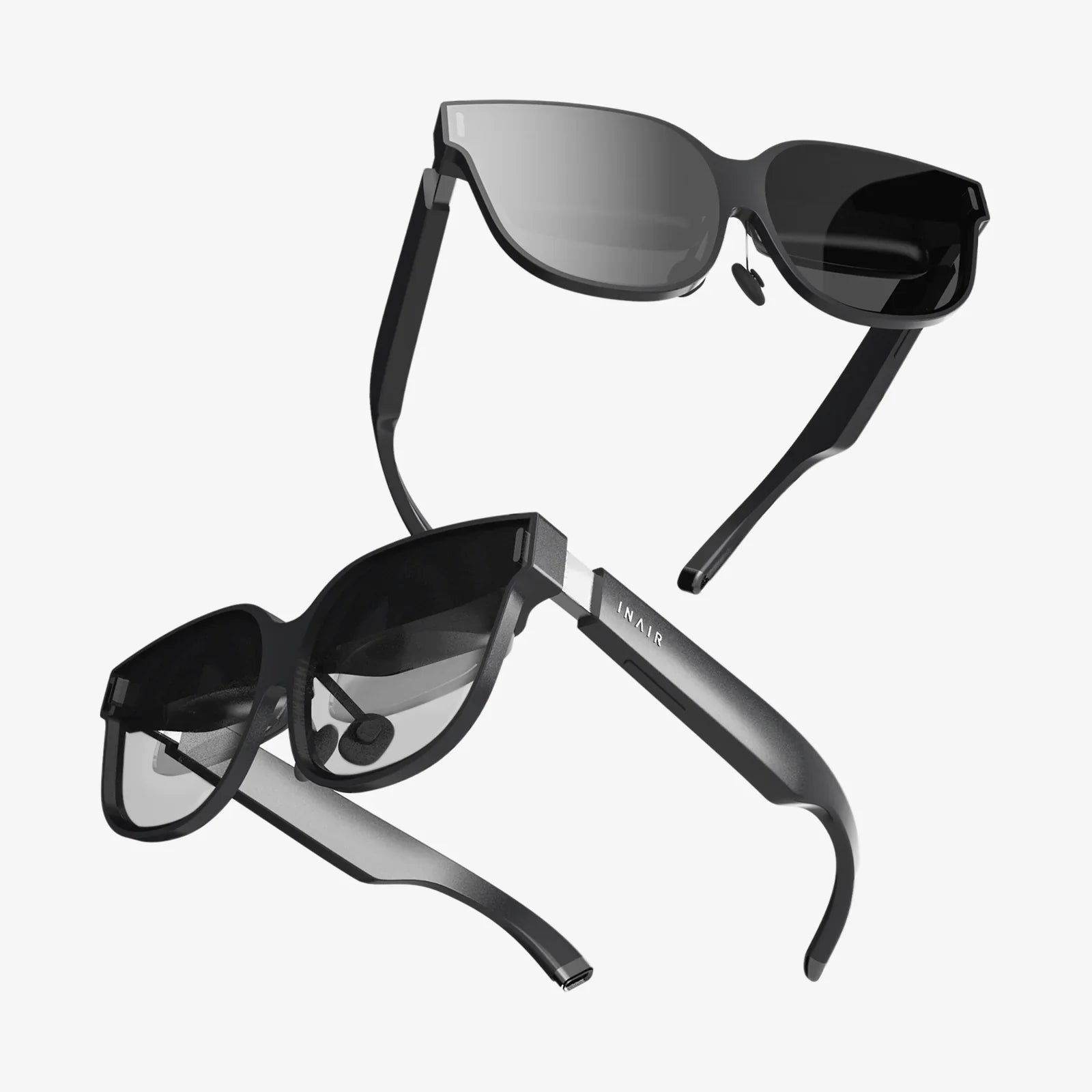
The trajectory of AR is pointing towards a more integrated and seamless future. The evolution towards wearable devices like advanced smart glasses will eventually make the smartphone intermediary obsolete, overlaying digital content onto our world as naturally as we see color.
We are moving towards a world of persistent AR, where digital content is anchored to specific locations, creating a shared layer of information and experience over our cities and spaces. Brands will be able to create permanent digital installations—historical markers, artistic experiences, or informational hubs—that anyone can discover.
Furthermore, the convergence of AR with Artificial Intelligence will lead to hyper-personalized experiences. Imagine an AR mirror in a store that not only lets you try on clothes but also recommends items based on your past purchases, current body language, and even the weather outside. AI will power dynamic content that adapts in real-time to the user and their environment, making every interaction unique and deeply relevant.
The potential for branded AR content is limited only by imagination. It is the ultimate tool for closing the gap between digital desire and physical reality, transforming customers into active participants and products into portals for stories. It’s not just about showing a product; it’s about inviting your audience to step inside its world and experience the brand promise firsthand.
The most forward-thinking brands are already building these bridges, not as experiments, but as core components of their identity. They understand that in the battle for attention, the most powerful weapon is an experience that doesn't just capture the eye but enchants the imagination and lives seamlessly within the world of the consumer. The screen is dissolving, and the future of connection is being written in the air around us.
Share:
What AI Can Do Today: The Invisible Revolution Reshaping Our World
What AI Can Do Today: The Invisible Revolution Reshaping Our World