


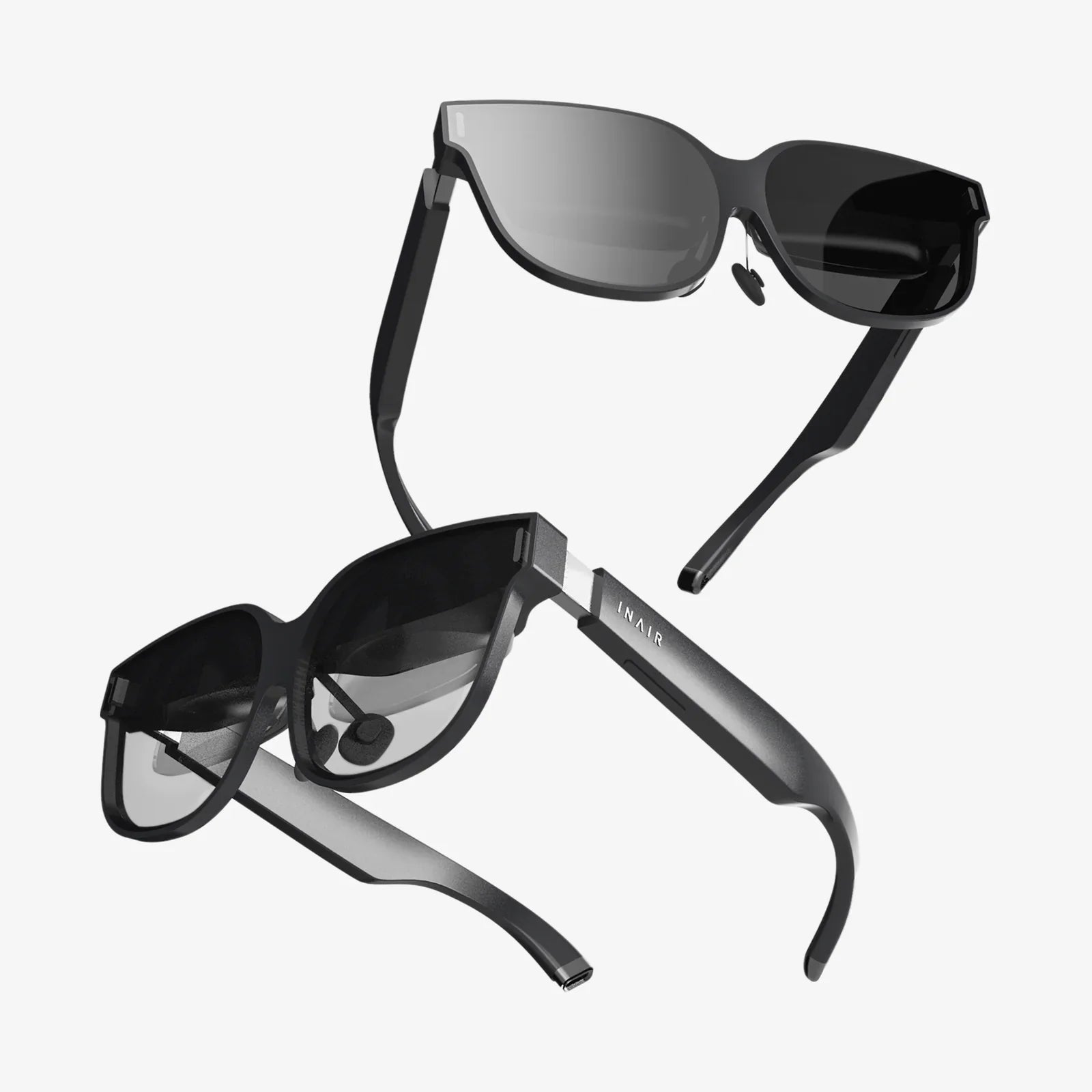
Imagine strapping on a headset and instantly being transported to a concert front row, a distant planet, or a virtual training ground—all without emptying your wallet. The dream of affordable virtual reality is no longer a fantasy, as a new wave of budget-friendly VR headsets is bringing immersive experiences to the masses. The barrier to entry, once defined by high costs and complex setups, is crumbling. This isn't about compromised quality; it's about smart, accessible technology opening doors to incredible digital worlds for everyone. Ready to dive in? Let's explore how you can claim your front-row seat to the virtual revolution.
The Democratization of Virtual Reality
Not long ago, virtual reality was the exclusive domain of hardcore gamers and tech enthusiasts with deep pockets. Early systems required powerful, expensive computers and headsets that cost a small fortune. This high barrier to entry kept VR a niche hobby. However, the technology landscape has shifted dramatically. Advancements in mobile processing power, display technology, and software optimization have converged to make capable VR hardware remarkably affordable. Manufacturers have learned to streamline designs, use cost-effective materials, and leverage the computing power users already have in their homes—particularly their smartphones. This evolution has given rise to a vibrant market of budget-friendly VR headsets that prioritize core immersion over superfluous premium features, ensuring that the magic of VR is an experience everyone can enjoy.
Defining "Budget-Friendly" in the VR Space
So, what exactly constitutes a budget-friendly VR headset? While the term is relative, it generally refers to devices that offer a compelling VR experience for a fraction of the cost of high-end models. Typically, this means headsets priced significantly below the premium tier. The philosophy behind these devices is value-driven design: delivering the essential VR experience—immersion, interactivity, and access to content—without the top-shelf specifications that drastically increase the price. It’s crucial to understand that "budget" does not mean "bad." It means a focus on accessibility. You might trade some graphical fidelity, field of view, or built-in processing power, but you gain entry into a vast and growing ecosystem of games, applications, and social experiences.
Key Types of Affordable VR Headsets
The budget VR market is primarily segmented into two distinct categories, each with its own advantages and considerations.
Standalone VR Headsets
These are all-in-one units that require no external phone, console, or computer to operate. They have their own built-in display, processors, sensors, and battery. For many, this is the ultimate expression of convenience in budget VR. The setup is simple: charge the headset, put it on, and you're inside the virtual world. They are wireless by nature, freeing you from tripping over cables. While the graphical performance of standalone headsets in this price range may not match that of a high-end PC-powered device, the library of available games and apps is extensive and constantly expanding, offering hundreds of hours of entertainment and utility.
Smartphone-Powered VR Headsets
This category, often the most affordable entry point, uses a user's smartphone as the display and processing brain. The headset itself is essentially a sophisticated holder with lenses. You slot your phone into the headset, launch a VR app, and you're ready to go. The major advantage here is cost-effectiveness; if you already own a compatible smartphone, your investment is minimal. The experience is entirely dependent on the quality of your phone's screen, its processing power, and its sensors. While generally offering a more basic experience than dedicated standalone systems, smartphone VR provides a fantastic and incredibly low-cost introduction to the concepts of virtual reality.
What to Expect (and What to Sacrifice) on a Budget
Entering the VR world with a budget-friendly headset requires managing expectations. You are making conscious trade-offs to achieve affordability.
Realistic Expectations: The Wins
You can absolutely expect a genuine sense of immersion. The feeling of being "inside" a game or a 360-degree video is the core of VR, and budget headsets deliver this convincingly. You will have access to a huge library of content, from casual games and puzzles to immersive documentaries and social platforms. The convenience factor, especially with standalone headsets, is a massive win—pick-up-and-play simplicity is a huge part of their appeal. Furthermore, these devices are perfect for social experiences, watching videos, and fitness applications, providing tremendous value for their cost.
The Conscious Trade-Offs
To reach a lower price point, manufacturers make compromises. The most common is a lower display resolution, which can result in a "screen door effect" where you can faintly see the lines between pixels. The field of view (how much of the virtual world you see) might be narrower than on premium headsets. Processing power is another key area; graphically intensive games may not run as smoothly or will feature simplified visuals. You might also encounter less premium construction materials, such as more plastic and fewer foam paddings, and simpler controller designs. Understanding these trade-offs allows you to choose a headset that sacrifices in areas you care about least.
Essential Features to Look For
Even when shopping on a budget, certain features are non-negotiable for a quality experience.
- Inside-Out Tracking: This technology uses cameras on the headset itself to track your movement and the movement of the controllers in the real world, eliminating the need for external sensors you have to set up around your room. It's a must-have for convenience and ease of use.
- 6 Degrees of Freedom (6DoF): This is different from simpler 3DoF headsets. 6DoF means you can not only rotate your head (look up, down, left, right) but also move it physically through space—leaning, crouching, and walking around. This is crucial for full immersion and interactivity in games and apps.
- Controller Quality: Good motion controllers are your hands in the virtual world. Look for ergonomic designs with reliable tracking, multiple buttons, and triggers. They should feel responsive and comfortable to hold for extended periods.
- Content Library: The hardware is useless without software. Research the ecosystem of the headset. Does it have its own app store with a strong selection of free and paid content? Is it supported by major developers?
- Comfort and Adjustability: A headset you can't wear for more than 15 minutes is a bad purchase. Look for adjustable head straps, interchangeable facial interfaces, and balanced weight distribution.
Navigating the World of VR Content
Your budget-friendly headset is a portal, but the content is the destination. The great news is that there is an abundance of experiences designed to run well on affordable hardware.
App stores for these platforms are filled with games ranging from rhythm-based experiences and puzzle adventures to casual sports titles. Many popular VR games have been optimized to run flawlessly on less powerful systems. Beyond gaming, the world of experiential content is vast. You can take virtual tours of world museums, explore natural wonders in 360-degree videos, or use guided meditation apps to relax. Social VR platforms are another huge draw, allowing you to meet friends, watch movies together, or attend live events as avatars in a virtual space. A significant portion of this content is available for free or at a very low cost, ensuring your initial investment continues to pay off.
Maximizing Your Investment
To get the absolute most out of your new headset, a little effort goes a long way.
First, properly set up your play area. Clear a safe, obstruction-free space to avoid bumps and falls. Good lighting helps tracking systems work better, but avoid direct sunlight on the headset's lenses, as it can damage the internal screens. Second, explore beyond games. Use your headset for productivity with virtual screens, for fitness with dedicated workout apps, or for travel by visiting virtual recreations of cities. Third, engage with the community. Online forums and subreddits are fantastic resources for finding hidden-gem apps, troubleshooting issues, and getting recommendations tailored to your specific headset.
The future of budget VR is incredibly bright. We can expect continuous improvements in display technology, making higher resolutions standard even at lower price points. Advances in chipset efficiency will boost graphical performance for standalone devices. As the market grows, competition will further drive innovation and value, giving consumers even more powerful and feature-rich options without the premium cost. The goal of making VR a truly mainstream, ubiquitous technology is being realized through these accessible devices.
The gateway to virtual worlds is now wide open, inviting and affordable. That initial thrill of immersion—the gasp the first time you look around a virtual environment—is no longer locked behind a paywall. A budget-friendly VR headset is more than just a piece of cheap tech; it's a passport to concerts, battlefields, alien landscapes, and social spaces you can share with friends across the globe. The revolution is here, it's incredibly fun, and it finally doesn't require a revolution in your spending. Your adventure is waiting; all you have to do is put on the headset.
Share:
Define Virtual Reality and Augmented Reality: The Ultimate Guide to Immersive Technologies
Android XR Buy: Your Ultimate Guide to the Next Reality