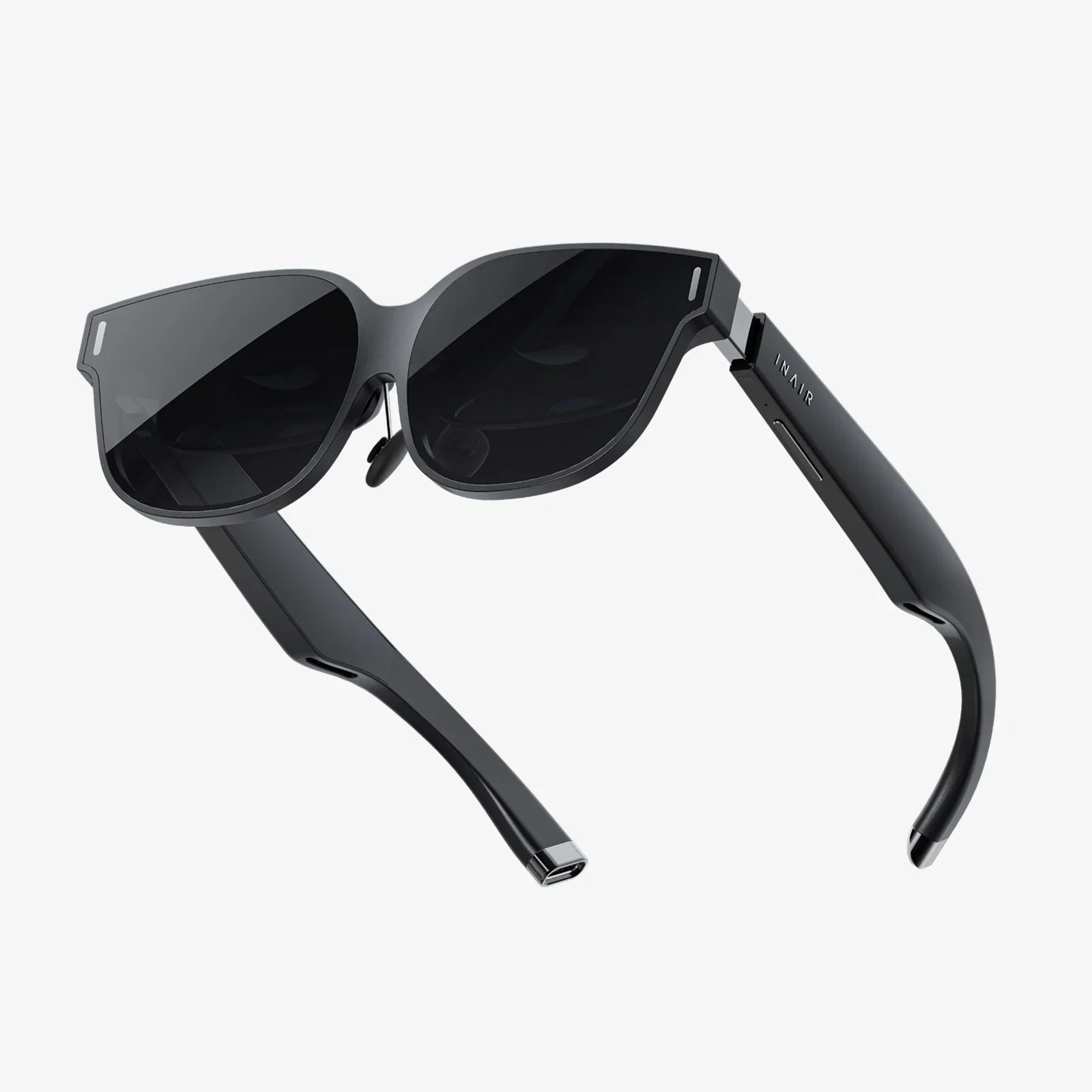
Stepping into virtual reality no longer requires a king's ransom. The dream of exploring other worlds, mastering new skills, or simply enjoying immersive entertainment from your living room is now accessible to everyone, thanks to a burgeoning market of surprisingly capable and affordable hardware. This budget VR headset comparison is your ultimate guide to cutting through the noise and finding the perfect gateway into the metaverse without obliterating your savings. Forget the hype and the confusing specs; we're here to break down what truly matters for your first—or next—virtual adventure.
Defining the "Budget" VR Landscape
Before we dive into the nitty-gritty, it's crucial to define what "budget" means in the current VR context. We are primarily focusing on hardware that offers a full, immersive experience—typically comprising a headset and controllers—for a fraction of the cost of flagship devices. This segment is fiercely competitive, with options ranging from entirely standalone systems that require no external devices to headsets that leverage the power of a gaming console or personal computer.
The beauty of this market is that "budget" no longer equates to "low-quality." Manufacturers have made incredible strides in delivering crisp displays, robust tracking, and comfortable designs at these accessible price points. The competition has forced a rapid evolution, meaning you can get a product today that outperforms premium models from just a few years ago.
Key Factors to Consider in Your Decision
Choosing the right headset isn't just about the sticker price. It's about value—the perfect blend of performance, content, and comfort for your specific needs and existing tech ecosystem. Here are the critical areas we will compare across all contenders.
Display and Visual Fidelity
The window into virtual worlds is the display. Two key specs dominate here: resolution and refresh rate.
-
Resolution: Measured in pixels per eye, a higher resolution means a sharper, clearer image with less visible "screen door effect" (the faint grid lines between pixels). For a comfortable experience, look for a combined resolution well into the millions of pixels.
-
Refresh Rate: Measured in Hertz (Hz), this is how many times the image updates per second. A higher refresh rate (90Hz and above) leads to smoother motion, which is crucial for reducing simulation sickness (motion sickness in VR) and enhancing immersion, especially in fast-paced games.
-
Lens Quality: Often overlooked, good lenses are vital for edge-to-edge clarity and a large "sweet spot" where the image remains in focus. Fresnel lenses are common, but some budget options are moving towards pancake lenses for a slimmer design and better clarity.
Tracking System: Inside-Out vs. External
How the headset understands your movement is fundamental to the experience.
-
Inside-Out Tracking: This is the standard for modern budget headsets. Cameras on the headset itself observe the environment and track the position of the controllers. It's incredibly user-friendly, requiring no external sensors to set up around your room. The technology has advanced to the point where it is highly accurate for most consumer applications.
-
External Sensor Tracking: This older method uses external base stations or sensors placed in the room to track the headset and controllers. While it can offer marginally higher precision for competitive gaming, it adds cost, complexity, and cables. It's largely absent from the true budget category now.
Performance and Processing Power
This splits the market into two distinct camps:
-
Standalone Headsets: These have all the necessary computing power built into the headset itself. They are completely wireless and self-contained, offering incredible freedom and ease of use. The trade-off is that their mobile-grade processors cannot match the graphical fidelity of a powerful gaming PC.
-
PC/Console-Connected Headsets: These devices act as a display and tracking system, offloading all the processing to a connected gaming computer or console. This allows for breathtaking, high-fidelity visuals and access to a vast library of demanding PC VR titles. The obvious downside is being tethered by a cable, though wireless adapters exist for some models at an added cost.
Content Library and Ecosystem
A headset is useless without software. The platform it's tied to dictates the games and experiences you can access. Some ecosystems are walled gardens, while others are more open. Consider where your friends are playing, what exclusive titles appeal to you, and whether you value the convenience of a unified storefront.
Comfort and Design
VR is a physical experience. A poorly designed headset can become unbearable after short periods.
-
Weight Distribution: Lighter isn't always better. A well-balanced headset that doesn't put pressure on your cheeks or forehead is key.
-
Strapping System: Elite-style straps that cup the back of your head are generally superior to simple elastic straps, as they distribute weight more evenly and allow for a tighter, more secure fit during active games.
-
IPD Adjustment: Interpupillary Distance (IPD) is the distance between your pupils. A physical IPD adjustment (sliding lenses) is highly preferable to a software-only solution, as it ensures the image is as sharp and comfortable as possible for a wider range of users.
In-Depth Comparison of Budget VR Categories
Now, let's apply these criteria to the main types of budget headsets available. We'll compare them based on their overarching approach to delivering VR.
The Standalone All-Rounder
This category represents the most popular and accessible entry point into VR. These devices are incredibly versatile, offering a vast library of native mobile VR games and, crucially, the ability to connect to a gaming PC to access more powerful content. This dual functionality makes them arguably the best value proposition on the market.
Strengths:
- Unmatched convenience and wireless freedom for native content.
- No need for a powerful gaming PC to get started.
- Typically offer a robust, curated content store.
- PC connectivity option future-proofs the device.
Considerations:
- Visual fidelity in standalone mode, while impressive, cannot compete with a high-end PC-driven experience.
- Battery life limits play sessions, typically to 2-3 hours for more demanding games.
The Console Companion
This is a unique category tied to a specific video game console. It offers a fantastic, high-quality VR experience at a low entry cost, provided you already own the required console. The hardware is subsidized by the platform holder, who views it as a gateway to selling more software.
Strengths:
- Exceptional value for money if you are already in the ecosystem.
- Access to a number of high-quality, polished exclusive titles.
- Leverages the console's consistent power for a reliable, high-fidelity experience.
Considerations:
- You are locked into a single, closed ecosystem with no option for PC VR content.
- The content library, while high-quality, is smaller than that of more open platforms.
- It requires the respective console to function.
The PC-VR Specialist (Wired)
These headsets prioritize one thing above all else: delivering the highest possible visual fidelity for PC virtual reality gaming. They forgo standalone functionality and complex onboard tracking systems to achieve a lower price point, assuming you already have a capable gaming rig.
Strengths:
- Often feature higher-resolution displays and better refresh rates than similarly priced standalone devices when used with a PC.
- Direct access to the enormous and diverse library of PC VR titles on various storefronts.
- Typically lighter weight as they don't contain a battery or mobile processor.
Considerations:
- The tethered experience can feel restrictive compared to wireless freedom.
- Absolutely requires a powerful and VR-ready gaming computer, a significant hidden cost.
- Can involve more setup complexity with drivers and software.
Making the Final Choice: Which Budget VR Path is Right for You?
Your ideal headset depends entirely on your circumstances. Use this flowchart to guide your decision:
-
Do you own a powerful gaming PC?
-
Yes: Your options are wide open. A PC-VR specialist offers pure performance, while a standalone-with-PC-link headset offers more versatility.
-
No: A standalone headset is your only option for a quality experience. Proceed to the next question.
-
Do you own the latest console from a major manufacturer?
-
Yes: The console's companion VR headset represents phenomenal value and a premium experience.
-
No: A standalone headset remains your best bet.
-
For standalone users: How important is wireless PC VR?
-
Very Important: Prioritize a standalone model known for its excellent, low-latency wireless PC streaming performance.
-
Not Important: You can focus on the quality of the native standalone experience and content library.
Beyond the Hardware: The Hidden Costs of VR
When budgeting for your headset, remember the total cost of ownership.
-
Software: VR games typically cost between $20 and $40. Budget for at least 2-3 titles at launch.
-
Accessories: A better facial interface, a premium head strap, a link cable for PC VR, or a external battery pack for longer wireless sessions can greatly enhance comfort and functionality but add to the cost.
-
PC Upgrades: If you're going the PC VR route, ensure your computer meets the recommended specifications. A necessary GPU or CPU upgrade is a significant expense.
The quest for the perfect budget VR headset is a thrilling one, filled with more great options than ever before. By understanding the key differentiators—standalone versus PC-powered, ecosystem lock-in, and comfort—you're equipped to make a savvy decision. This isn't about finding the cheapest device; it's about finding the one that delivers the most immersive, enjoyable, and value-packed virtual reality experience tailored specifically to your world. The gateway to new realities awaits, and it's far more affordable than you think.