


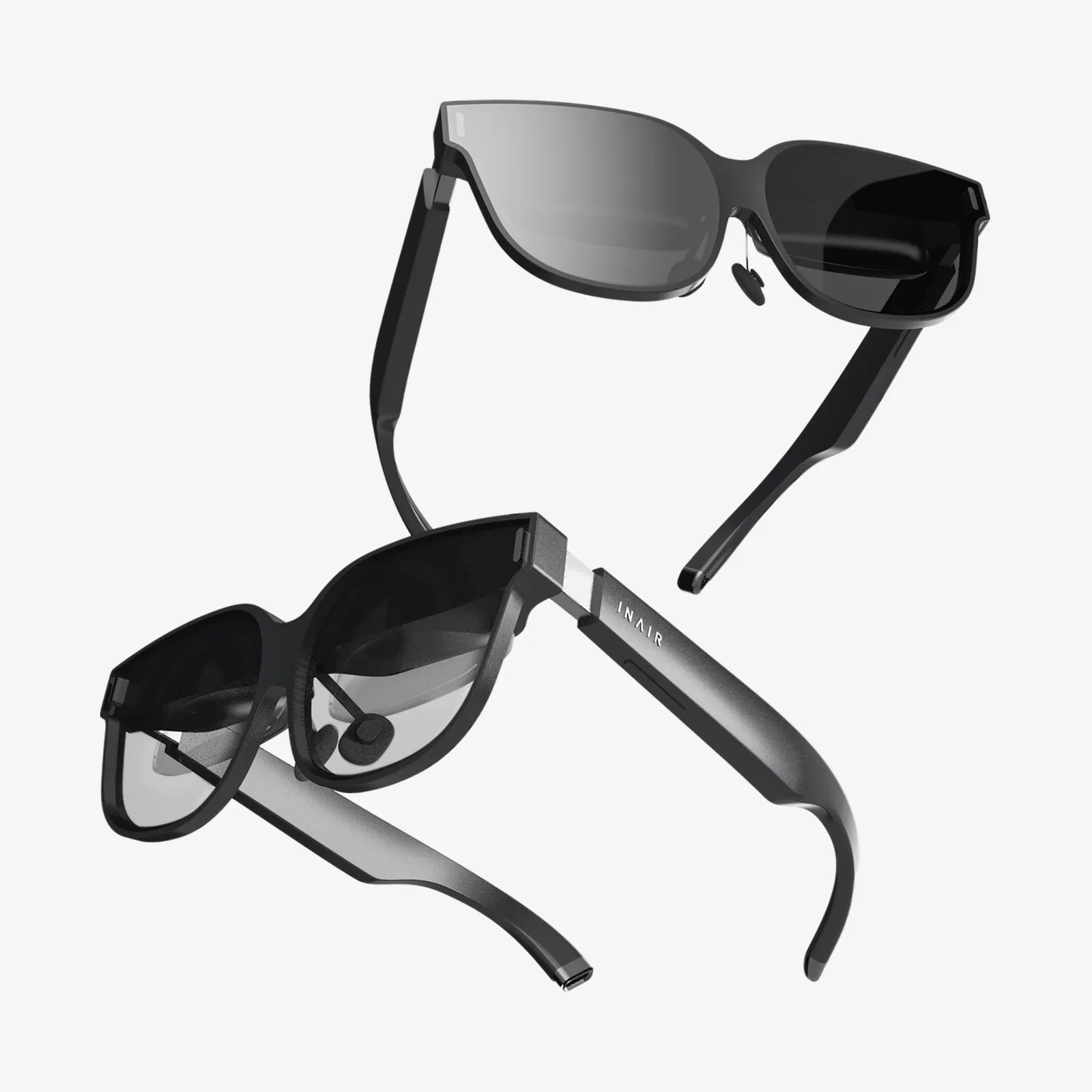
Imagine strapping on a headset and instantly being transported to a breathtaking alien landscape, a meticulously recreated historical site, or a heart-pounding interactive adventure. For years, this futuristic promise of Virtual Reality seemed locked behind a formidable paywall, a luxury experience reserved for those with deep pockets and high-end gaming rigs. But what if you could dip your toes into the metaverse, enjoy stunning games, and explore educational frontiers without taking out a second mortgage? This is the new, exciting, and surprisingly accessible reality of budget VR. The barrier to entry has not just been lowered; it has been utterly demolished. The world of immersive digital experiences is now open to everyone, and this guide is your all-access pass to finding the perfect affordable gateway into virtual worlds.
The Democratization of Virtual Reality
Virtual reality technology has followed a familiar trajectory in the tech world: it begins as an expensive, niche pursuit for enthusiasts and early adopters before gradually evolving into a more refined and, crucially, more affordable product for the mass market. We saw it with personal computers, smartphones, and high-definition televisions. VR is now firmly in its mass-market phase. This shift is driven by several key factors: manufacturing efficiencies, increased competition, and the strategic realization by tech giants that the true value of VR lies in a large, engaged user base, not just premium hardware sales. The goal is no longer to create the most powerful headset at any cost, but to create the most compelling and accessible ecosystem. This focus on accessibility has given rise to a vibrant and diverse budget VR market, offering a range of options that prioritize different aspects of the experience, from raw gaming power to standalone convenience and mobile-based immersion.
Defining the "Budget" VR Spectrum
The term "budget VR" is not a single point but a spectrum of devices and experiences, typically falling into three main categories, each with its own price point and performance profile.
Mobile-Based VR Headsets
These were many people's first introduction to VR. These headsets are essentially sophisticated holders for your smartphone, using its screen and processing power to create a stereoscopic 3D experience. Lenses inside the headset split the phone's display into two images, one for each eye, creating the illusion of depth.
Pros:
- Extremely Low Cost: Often the most affordable entry point.
- High Accessibility: Leverages a device you already own.
- Wireless and Portable: No cables to trip over, easy to take and share with friends.
- Massive Content Library: Access to a huge number of apps, 360-degree videos, and simple games on mobile platforms.
Cons:
- Limited Performance: Tied entirely to your phone's capabilities; can suffer from lower refresh rates causing motion sickness.
- Basic Interaction: Often limited to a simple Bluetooth controller or gaze-based controls, lacking immersive hand-tracking.
- Experiential Gap: Offers a glimpse of VR but lacks the full immersion of more advanced systems.
Standalone VR Headsets (The Sweet Spot)
This category represents the current king of the budget VR market and the best value proposition for most new users. Standalone headsets are all-in-one units; they have their own built-in displays, processors, batteries, and tracking systems. They require no phone, no PC, and no console to operate—everything you need is in the headset itself.
Pros:
- Excellent Value & Convenience: Offers a high-fidelity VR experience without any external hardware tethers.
- Robust Tracking: Features inside-out tracking (cameras on the headset track the controllers), providing a truly immersive and interactive experience.
- Strong, Curated Content Libraries: Access to thousands of dedicated, high-quality VR games and applications.
- User-Friendly: Designed for a plug-and-play experience with minimal setup.
Cons:
- Higher Cost than Mobile: A significant investment, though prices have fallen dramatically.
- Limited Processing Power: While impressive, they can't match the graphical fidelity of a powerful gaming PC.
- Battery Life: Sessions are limited to 2-3 hours on a single charge, depending on usage.
PC-Connected VR Headsets (Budget Tier)
This category involves headsets that act as displays but rely on a powerful gaming computer to render the complex visuals. While high-end PC VR is the domain of expensive gear, there is a budget tier comprised of older-generation models and value-focused new entrants that offer a compelling experience for those who already own a capable gaming rig.
Pros:
- Superior Visuals and Performance: Access to the highest fidelity graphics, detail, and physics simulations, provided your PC is powerful enough.
- Deep Content Library: Access to PC-exclusive titles and mods that push the boundaries of VR.
- Precise Tracking: Often uses external sensors for extremely accurate controller and movement tracking.
Cons:
- Requires a Powerful PC: The total cost of entry is high if you don't already own a VR-ready computer.
- Tethered Experience: Being connected by a cable can break immersion and limit movement.
- Complex Setup: Generally involves more technical setup with sensors and software configuration.
What to Expect from a Budget VR Experience
Managing expectations is key to enjoying budget VR. You are not getting a crippled experience, but you are making calculated trade-offs.
- Visuals: Expect good, clear visuals, but not the absolute sharpest. You might see a slight "screen door effect" (the faint lines between pixels) on some devices, but it's far less pronounced than in early VR generations. Resolution on modern standalone headsets is more than sufficient for immersion.
- Performance: The goal is a smooth 72Hz or 90Hz refresh rate, which is crucial for comfort and avoiding nausea. Budget devices achieve this by expertly optimizing their software and hardware to work in harmony.
- Comfort: This is a common area for compromise. Budget headsets might use softer, less durable materials or simpler strap systems. Aftermarket comfort upgrades are a popular and worthwhile purchase for longer sessions.
- Sound: Built-in speakers are usually adequate for spatial awareness, but for true immersion, a good pair of headphones is recommended.
The Hidden Costs of "Free" Hardware
It's vital to consider the total cost of ownership. The headset itself is often just the initial investment.
- Software and Games: While there are free experiences and apps, the best games and applications come with a price tag. Budgeting for content is essential.
- Essential Accessories: These can include things like a longer link cable for PC play, a better facial interface for hygiene and comfort, rechargeable batteries for controllers, and prescription lens inserts if you wear glasses.
- PC Requirements: If you opt for a PC-connected headset, the cost of upgrading your computer to meet the minimum specifications can be substantial.
Beyond Gaming: The Expansive World of Budget VR Content
While gaming is a massive driver, budget VR unlocks a universe of non-gaming applications that provide incredible value.
- Social VR: Platforms exist that allow you to meet friends, watch movies, attend live events, and play social games in shared virtual spaces, all as customizable avatars.
- Fitness and Health: VR has exploded as a fitness tool. A plethora of engaging apps offer boxing, rhythm, dancing, and meditation experiences that are far more fun than a treadmill, turning exercise into play.
- Education and Travel: Take virtual field trips to the Louvre, the International Space Station, or ancient Rome. Educational apps allow for immersive learning in subjects from human anatomy to astrophysics.
- Media Consumption: Imagine your own personal IMAX theater. VR headsets are phenomenal for watching 2D, 3D, and 360-degree videos on a giant virtual screen.
- Creativity: Applications allow you to sculpt, paint, and animate in 3D space, offering a revolutionary way to express your creativity.
Future-Proofing Your Purchase and the Road Ahead
The VR landscape evolves rapidly. When buying a budget headset, consider its ecosystem. A device from a major platform holder with an active store and developer community is more likely to receive new software support for years to come. Look at the company's roadmap—are they invested in this hardware for the long term? The future of budget VR is incredibly bright, with advancements in pancake lenses for slimmer designs, improved resolution, and better inside-out tracking trickling down from premium models. The line between budget and premium will continue to blur, offering even more incredible experiences at accessible prices. We are moving towards a future where high-quality VR is a standard entertainment device in homes, much like a games console is today.
Your journey into virtual worlds doesn't require a flagship budget—it just requires the curiosity to start. The once-distant dream of exploring digital frontiers is now sitting on store shelves at a price that invites experimentation and play. From the pulse-racing thrill of a rhythm game that doubles as a cardio workout to the quiet wonder of exploring a museum on the other side of the planet, budget VR has shattered the price barrier, leaving only the question of what you'll experience first. The gateway to the metaverse is open, and your adventure is waiting.
Share:
AR Technology Market: Reshaping Reality and Redefining Global Industries
AR Technology Trends 2025: The Future Is Now and It's Overlaid