


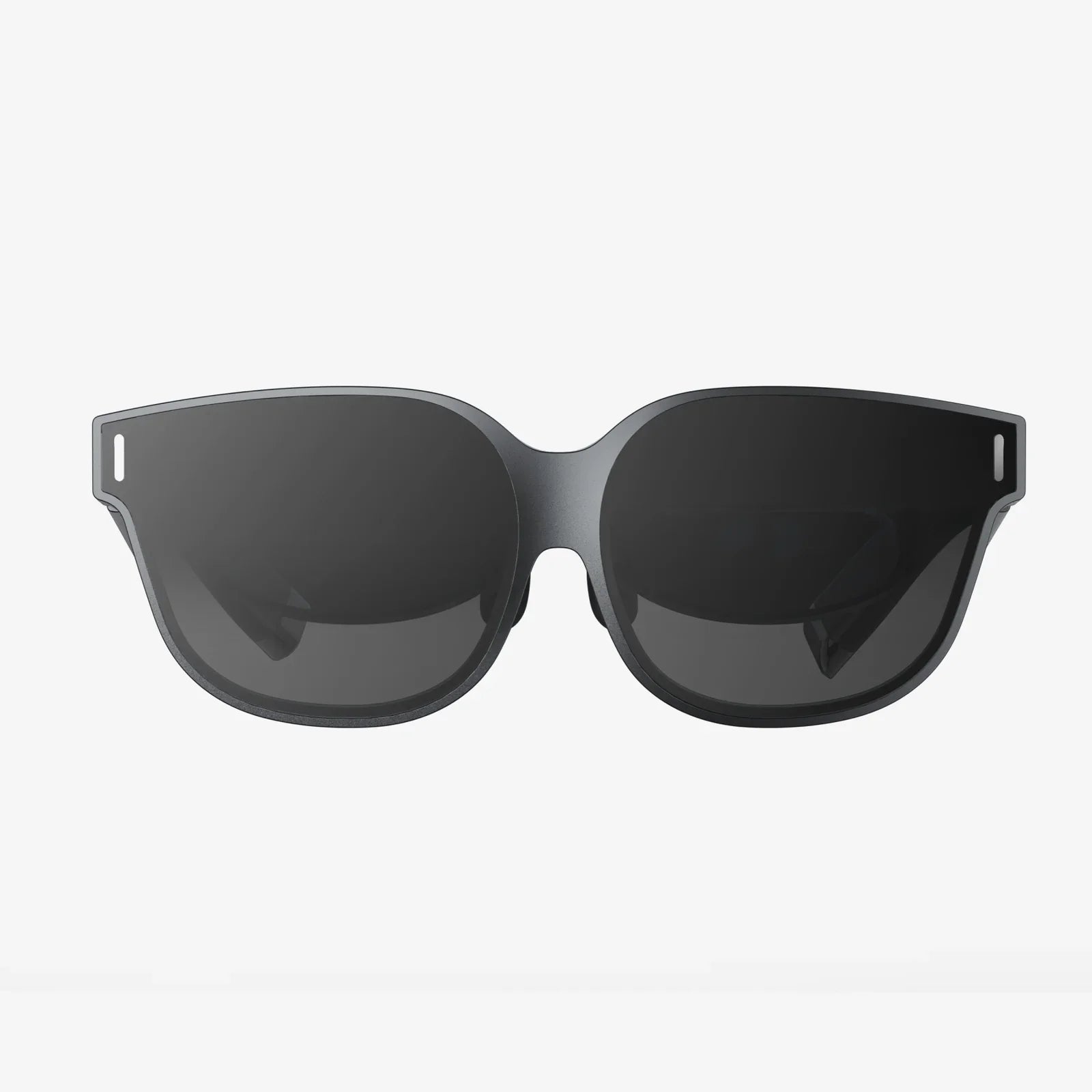
Imagine stepping through a portal into another world, where the only limit is your imagination. The decision to buy a VR headset is your ticket to this reality, a gateway to experiences that were once the stuff of science fiction. This isn't just about purchasing a piece of hardware; it's about investing in a new dimension of entertainment, connection, and exploration. The virtual realm awaits, but navigating the path to your perfect headset can feel as complex as the digital worlds it unlocks. This definitive guide will demystify the process, ensuring your journey into virtual reality is as breathtaking as the destination itself.
Understanding the VR Landscape: More Than Just a Headset
Before you commit to a purchase, it's crucial to understand the different categories of VR systems available. The market has evolved significantly, offering solutions for every type of user, from the casual curious to the hardcore enthusiast.
Standalone VR: The All-in-One Gateway
Standalone headsets represent the most accessible entry point into virtual reality. These devices are completely self-contained; they have their own processor, storage, and battery, built directly into the headset. The primary advantage is simplicity. There are no cables tethering you to a powerful computer, no complex setup with external sensors, and often a lower initial cost. You simply charge the device, put it on, and you're immersed. This makes them ideal for sharing experiences with friends and family in the living room or for enjoying media and lighter games without being confined to a single room. However, this convenience comes with a trade-off in raw graphical power. While modern standalone devices are incredibly capable, they cannot match the sheer visual fidelity and processing muscle of a system tethered to a high-end computer.
PC-Connected VR: The Power User's Paradise
For those seeking the absolute pinnacle of visual quality, performance, and depth of experience, PC-connected (or tethered) headsets are the undisputed champions. These devices act as high-resolution displays and motion-tracking portals, but they offload all the intense graphical processing to a powerful desktop computer. This symbiotic relationship allows for vastly more detailed textures, more complex physics, larger environments, and higher frame rates, which are critical for both immersion and comfort. The library of available software is also typically more extensive, featuring deep, immersive games and professional-grade applications. The obvious drawbacks are the requirement for a capable gaming PC, which represents a significant additional investment, and the physical tether cable, which can limit movement and require careful management to avoid becoming tangled during active experiences.
Console-Based VR: The Plug-and-Play Experience
Sitting in a unique middle ground is console-based VR. This approach leverages the power and ecosystem of a popular video game console. The setup is designed to be user-friendly, offering a plug-and-play experience that is more streamlined than a PC setup but delivers higher fidelity than most standalone systems. The hardware and software are optimized to work seamlessly together, ensuring a smooth and consistent experience across all compatible games and applications. This ecosystem provides a curated, high-quality library of content without the need to worry about individual PC hardware specifications. The main limitation is that you are locked into a single platform's ecosystem, and your options are limited to the hardware designed for that specific console.
Key Features to Scrutinize Before You Buy a VR Headset
Beyond the broad categories, several technical specifications will define your daily experience inside the headset. Understanding these will help you make an informed decision.
Display Resolution and Lens Clarity: The Window to Another World
The quality of the display is paramount. Two key metrics are resolution and per-eye display. A higher combined resolution (often listed as something like 1832 x 1920 pixels per eye) dramatically reduces the "screen door effect," where you can see fine lines between pixels, breaking immersion. Look for headsets that use fast-switch LCD or advanced OLED panels for vibrant colors and deep blacks. Equally important are the lenses. Fresnel lenses are common but can cause god rays and glare in high-contrast scenes. The latest generation of headsets is moving towards pancake lenses or aspherical elements, which offer a much larger "sweet spot" of clarity, edge-to-edge sharpness, and a thinner headset profile overall.
Field of View (FoV): Expanding Your Horizon
Field of View is the extent of the observable world you can see at any given moment, measured in degrees. A typical human FoV is roughly 180 degrees horizontally. Most consumer headsets range from 90 to 120 degrees. A wider FoV is more immersive, making you feel truly "inside" the virtual environment rather than looking through a pair of binoculars or a diving mask. While a high FoV is desirable, it must be balanced with performance, as rendering a wider view requires more graphical power.
Tracking and Controllers: Your Hands in the Virtual World
How the headset tracks your movement is fundamental to the experience. Inside-out tracking has become the standard for most new devices. Cameras on the headset itself observe the real world and track the position of the controllers, eliminating the need for external base stations or sensors placed around your room. This is convenient and portable. Outside-in tracking, which uses external sensors, can be extremely precise and is often preferred by competitive users for its millimetric accuracy, but it sacrifices convenience. The controllers themselves are your hands. Look for ergonomic designs with intuitive button layouts, haptic feedback (subtle vibrations that simulate touch), and finger-tracking capabilities, which allow for more natural and expressive interactions.
Comfort and Fit: The Long-Haul Factor
A headset can have the best specs in the world, but if it's uncomfortable, you won't want to use it. Comfort is highly subjective but critically important. Key factors include weight distribution (a top strap can help pull weight off your face), facial interface material (soft, breathable foam is essential), and adjustability. The ability to adjust the distance between lenses (interpupillary distance or IPD) is crucial for achieving a clear image and avoiding eye strain. For glasses wearers, check for included spacer inserts or custom prescription lens attachments.
The Ecosystem and Content: What Will You Actually Do?
The hardware is just a vessel; the software is the journey. Before you buy a VR headset, investigate its ecosystem. What games are exclusive to its platform? What are the flagship titles? Look beyond gaming. A robust ecosystem includes social platforms where you can meet and interact with people from around the world, 360-degree video services for breathtaking documentaries and travel experiences, and creative tools for painting, sculpting, and designing in 3D space. Fitness applications have also become a massive draw, offering engaging workouts that feel more like fun than exercise. The strength and diversity of the content library will determine the long-term value of your investment.
Setting Up Your Virtual Playground
Preparation is key to a smooth entry into VR. For standalone headsets, ensure you have a clear, open space free of obstacles. Mark out your play area physically so you know its boundaries. For PCVR, verify that your computer meets or exceeds the recommended specifications for your chosen headset. This is non-negotiable for a good experience. Download necessary software platforms and set up accounts beforehand. Have a power bank ready if you plan on extended sessions beyond the headset's battery life. Finally, consider accessories like a dedicated mat to stand on, which helps you stay oriented in your physical space, and a premium facial interface for hygiene and comfort, especially if multiple people will be using the device.
Beyond the Purchase: The Realities of VR Ownership
Owning a VR headset is a unique experience with its own learning curve and considerations. It's normal to experience some motion discomfort initially as your brain adapts to the sensory mismatch of moving in VR while standing still in reality. Start with stationary experiences and gradually work your way up to more movement-heavy games. Always listen to your body and take breaks. Furthermore, VR is a rapidly evolving technology. New headsets and software updates are released frequently. Embrace the community—online forums and social media groups are invaluable resources for troubleshooting, finding new experiences, and sharing the joy of discovery with fellow enthusiasts.
The virtual frontier is no longer a distant dream; it's a present-day reality, rich with potential for awe-inspiring adventure, profound social connection, and transformative new ways to work and create. To buy a VR headset is to choose to be an active participant in the next evolution of digital experience, rather than a passive observer. The technology has matured, the content is abundant, and the barriers to entry have never been lower. Your journey into these boundless new worlds begins with a single, deliberate choice. Take the step, and redefine your reality.
Share:
How Does Holography Work: Capturing Light to Create a Three-Dimensional Illusion
Headsets Headsets: The Ultimate Guide to Sound, Comfort, and Connection