


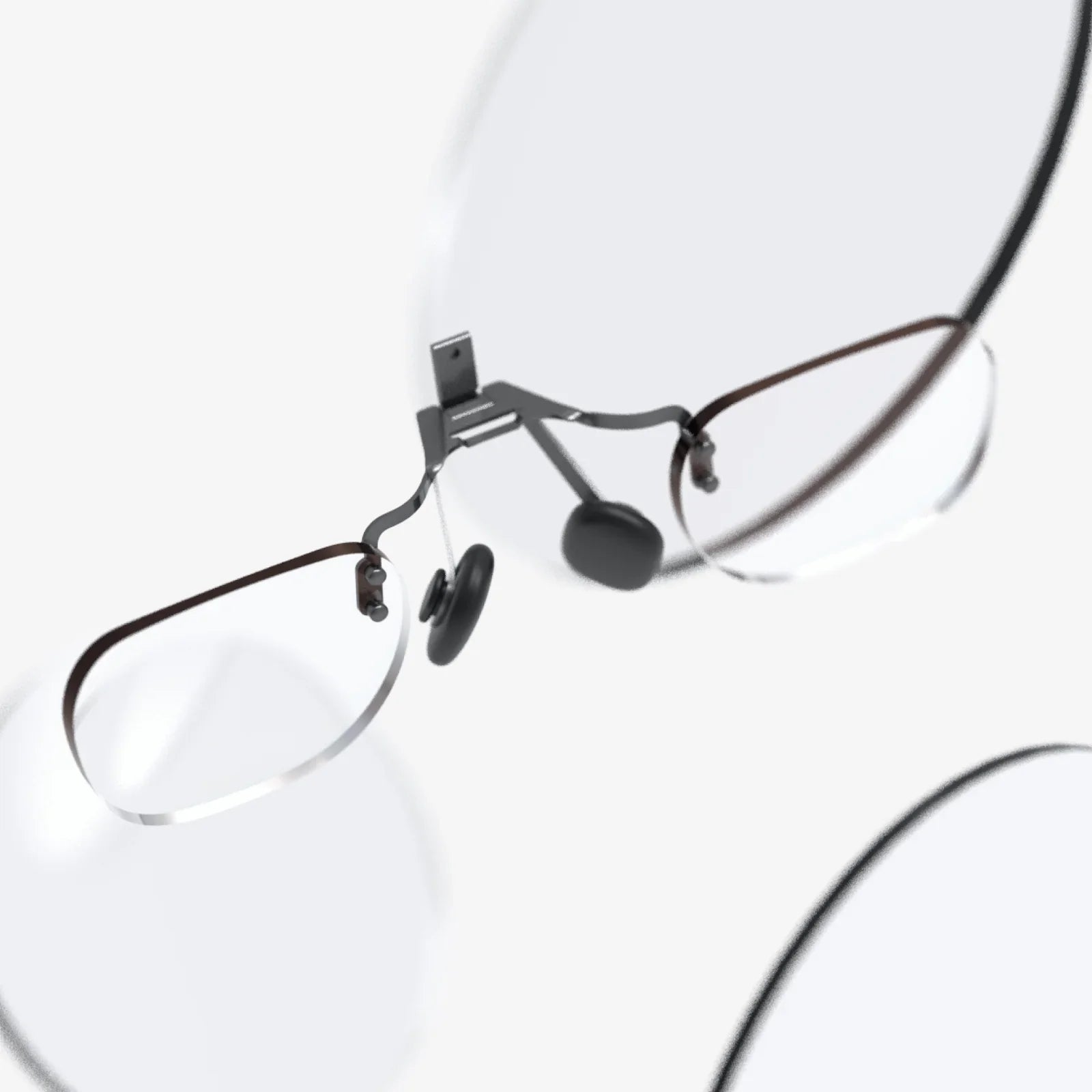
Imagine a world where your watch not only tells time but also tells you about your health, where your ring can pay for your coffee, and your glasses can overlay digital information onto the physical world. This is no longer the realm of science fiction; it's the present reality of smart wearables. The decision to buy the best smart wearables is a step into a more connected, data-rich, and efficient life. But with a market flooded with options, each promising to revolutionize your daily routine, how do you cut through the noise and find the perfect device for you? This definitive guide is designed to be your compass, navigating the intricate landscape of technology, features, and personal needs to ensure your investment truly enhances your world.
Defining Your "Why": The Foundation of Your Search
Before diving into specifications and feature lists, the most critical step is introspection. The question isn't just "which wearable is best?" but "what is the best wearable for me?" Your primary use case will dictate every subsequent decision.
Health and Fitness Fanatics
For the fitness-focused individual, the wearable is a digital personal trainer and health dashboard. Your key metrics will include:
- Advanced Heart Rate Monitoring: Look for devices with medical-grade ECG (electrocardiogram) capabilities and continuous, accurate heart rate tracking to monitor workouts and overall cardiovascular health.
- Comprehensive Activity Tracking: Beyond step counting, seek out built-in GPS for mapping runs and cycles without needing your phone, altimeters for elevation gain, and a wide range of recognized sports modes.
- Recovery and Sleep Analysis: Sophisticated wearables now offer detailed sleep stage tracking (light, deep, REM), blood oxygen saturation (SpO2) monitoring during sleep, and metrics like Body Battery or Stress Tracking to guide recovery.
The Connected Lifestyle User
If your goal is seamless integration with your digital life, your priorities shift:
- Notifications and Connectivity: The ability to receive calls, messages, and app alerts directly on your wrist is paramount. This requires strong Bluetooth stability and a good user interface for managing notifications.
- Contactless Payments: NFC technology for tap-to-pay functionality is a must-have for leaving your wallet at home.
- Voice Assistant Integration: Hands-free control of your smart home, setting reminders, or sending texts via voice commands adds a layer of convenience.
- Music Control and Storage: The ability to store music locally or stream directly from the device to wireless headphones is a game-changer for exercisers and commuters alike.
The Style-Conscious Individual
For many, a wearable is a piece of jewelry first and a tech device second. Aesthetics matter.
- Design and Form Factor: Choices range from traditional watch designs with circular faces to sleek, minimalist bands and even smart rings or glasses. Consider what you'll feel comfortable wearing every day.
- Customization: Interchangeable bands (leather, metal, silicone) and customizable watch faces allow the device to match your outfit or mood.
- Build Quality: Materials like titanium, stainless steel, sapphire glass crystals, and high-quality polymers denote a premium product built to last.
The Core Technological Considerations
Once you know your "why," it's time to delve into the "how." Understanding the underlying technology will prevent disappointment and ensure the device performs as expected.
Battery Life: The Freedom Factor
Battery performance is arguably the most practical differentiator. There are generally three tiers:
- Basic Trackers: Can last a week or more on a single charge but offer limited smart features and simpler displays.
- Full-Featured Smartwatches: Typically require charging every 24-48 hours, especially with always-on displays and constant health tracking enabled. This is the most common category.
- Powerhouse Performers: A growing segment of devices now boasts multi-day (3-14+ days) battery life, even with robust feature sets, often leveraging more efficient processors and software optimization.
Your tolerance for daily charging will significantly narrow your options.
Display Technology: Clarity vs. Efficiency
The screen is your window to the device's soul, and the technology behind it involves a key trade-off.
- AMOLED/OLED: Offers vibrant colors, deep blacks, and high contrast, making them visually stunning. They are power-efficient when displaying mostly black pixels. However, they often require raising your wrist or tapping to wake, unless they have an Always-On Display (AOD) mode, which reduces battery life.
- Transflective MIP (Memory-in-Pixel): Commonly found on devices with ultra-long battery life. These displays are sunlight-readable and can be always-on with a negligible power draw, but they lack the color vibrancy and resolution of OLED screens.
- LCD: Less common in higher-end devices now, but offer a good balance of cost and performance.
Ecosystem Compatibility: The Golden Rule
This is non-negotiable. The operating system of the wearable must be compatible with your smartphone.
- For iPhone Users: Your choices are generally limited to a specific ecosystem for a fully integrated experience. Other wearables may work with iOS but often with limited functionality (e.g., unable to respond to messages).
- For Android Users: You have more freedom, with several major wearable operating systems offering full compatibility. The experience is typically more uniform across different devices.
Always verify compatibility on the manufacturer's website before purchasing.
Sensors and Accuracy: The Truth in Data
Not all sensors are created equal. A spec sheet might list heart rate, SpO2, and GPS, but the quality of the sensors and the algorithms processing the data vary wildly.
- Research the Reputation: Look for reviews from reputable tech sites and user communities that test accuracy against medical devices or dedicated GPS units.
- Understand the Limitations: Wrist-based heart rate can struggle during high-intensity interval training (HIIT) with rapid changes, and optical SpO2 sensors are considered informative rather than diagnostic. Manage your expectations.
Navigating the Purchase Process
Armed with knowledge, you're ready to make a move. Here’s how to ensure a smooth and successful purchase.
Setting a Realistic Budget
Wearables range from very affordable basic trackers to premium luxury tech. Determine your budget early, but be prepared for it to be a range. Consider what you're paying for:
- Under $100: Solid basic activity trackers and older model smartwatches.
- $100 - $350: The sweet spot for full-featured smartwatches with excellent health tracking, good build quality, and modern specs.
- $350+: Premium materials (titanium, sapphire), advanced health sensors (ECG, skin temperature), and cutting-edge features.
Where to Buy With Confidence
Choose authorized retailers, either online or in physical stores. This ensures you get a legitimate product with a valid manufacturer's warranty. Be wary of deals that seem too good to be true from unknown marketplaces, as counterfeit products are a real issue.
The Importance of Hands-On Experience
If possible, visit a store. Seeing and trying a device in person is invaluable.
- Feel the Build: Is it lighter or heavier than you imagined? How does the band feel?
- Test the Interface: Is the screen responsive? Is the software intuitive and smooth?
- Check the Fit:
How does it look on your wrist? Is it too bulky or discreet?
Beyond the Wrist: Exploring Other Form Factors
The world of wearables extends far beyond the watch.
- Smart Rings: Ultra-discreet, offering sleep tracking, activity monitoring, and NFC payments in a tiny form factor with week-long battery life. Ideal for those who find watches cumbersome.
- Smart Glasses: While still emerging, they offer audio experiences, recording, and AR displays, aiming to replace headphones and eventually, your phone screen.
- Smart Clothing: Shirts, socks, and shoes with embedded sensors provide biomechanical data that wrist-worn devices cannot, perfect for serious athletes.
Future-Proofing Your Investment
Technology evolves rapidly. While you can't future-proof completely, you can make a smarter long-term bet.
- Software Support: Choose brands with a proven track record of providing multi-year software updates and new features to older devices. This extends the usable life of your wearable significantly.
- Classic Design: A timeless design will look good for years, whereas a overly trendy one may feel dated quickly.
- Modularity: Some devices allow you to upgrade the core module while keeping the same band or chassis, though this is still a niche concept.
The journey to buy the best smart wearables is a personal one, a unique equation where your lifestyle, goals, and taste intersect with cutting-edge technology. It's not about finding the device with the longest list of features, but the one whose features resonate most deeply with your daily life. By defining your purpose, understanding the technology, and carefully considering the practicalities, you move from being a passive consumer to an empowered decision-maker. You're not just buying a piece of tech; you're selecting a companion for your health, a conduit for your digital world, and an expression of your personal style. The perfect device is out there, waiting to unlock a new layer of potential in your everyday routine. Your more connected, informed, and efficient life is just a well-considered choice away.
Share:
How to Make an AR Display: A Comprehensive Guide to Building Your Own Augmented Reality Experience
Why Collaborative AR Is Reshaping Our Digital and Physical Worlds