


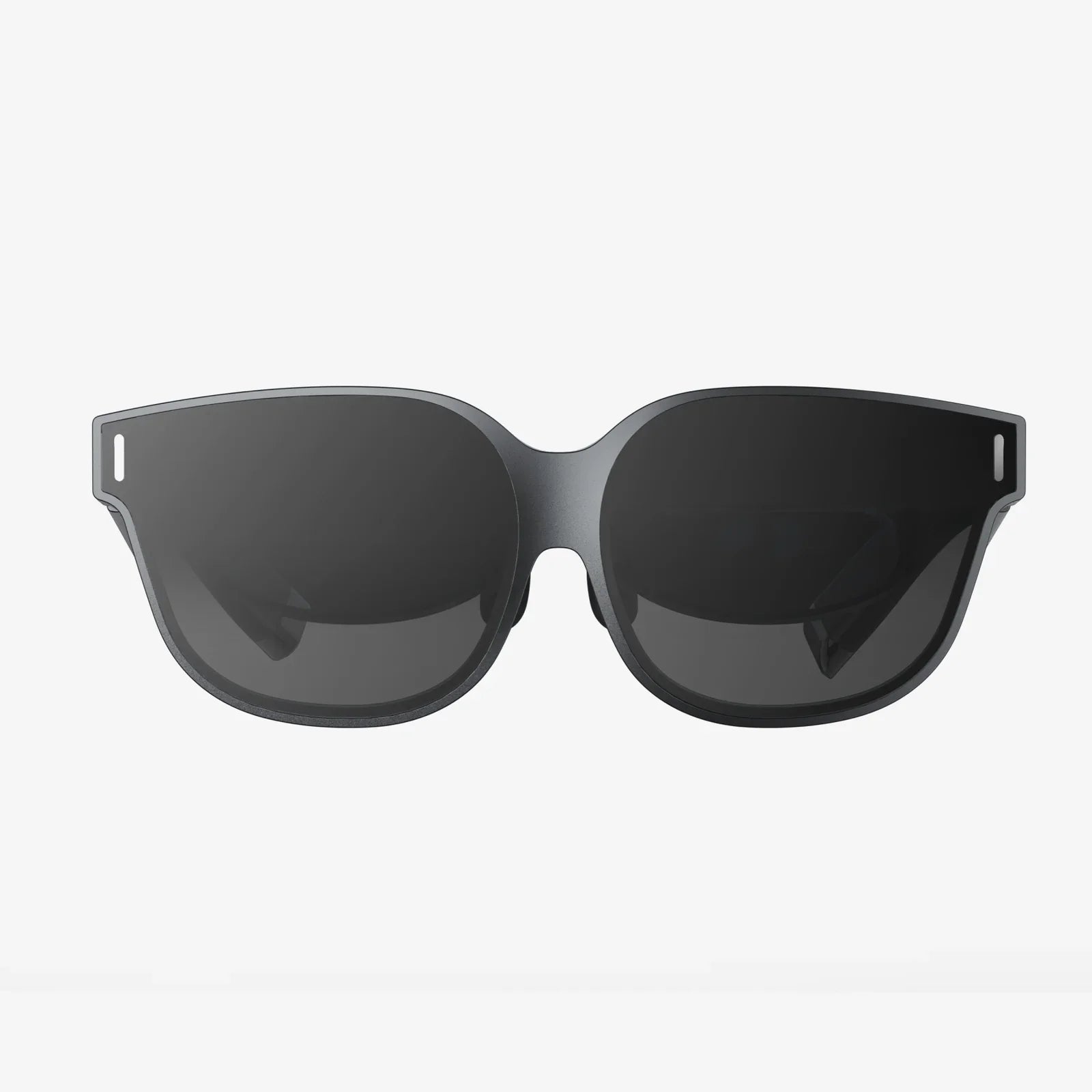
Imagine a world where your watch not only tells time but also saves it—by optimizing your health, streamlining your day, and connecting you to the digital pulse of life without ever needing to reach for your phone. This is the promise of modern wearable technology, a rapidly evolving frontier that beckons with the allure of enhanced living. The decision to buy wearable devices is no longer a niche consideration for fitness fanatics; it's a mainstream move towards a more integrated, data-driven, and convenient lifestyle. But with a market overflowing with options, features, and bold claims, where does one even begin? This definitive guide cuts through the noise, offering a deep dive into the world of wearables to empower your purchase and ensure the technology you wear truly works for you.
Beyond the Hype: Understanding the Wearable Ecosystem
Before you commit to a purchase, it's crucial to understand the landscape. Wearable devices are not a monolith; they represent a diverse category of electronics designed to be worn on the body. These devices are equipped with sensors, software, and connectivity features that collect, analyze, and transmit data about you and your environment.
The Core Categories
The market primarily segments into a few key categories, each with a distinct purpose:
- Smartwatches: These are the jack-of-all-trades, functioning as an extension of your smartphone. They deliver notifications, allow for calls and messages, run apps, and almost always include a suite of health and fitness sensors.
- Fitness Trackers: Often more minimalist and lightweight, these devices focus primarily on health metrics. They excel at tracking steps, distance, calories burned, sleep patterns, and heart rate, with longer battery life as a key advantage.
- Advanced Health Monitors: This growing category includes devices dedicated to specific medical-grade or near-medical-grade tracking, such as continuous ECG (electrocardiogram), blood oxygen saturation (SpO2) monitoring, and skin temperature measurement.
- Smart Rings: A more discreet alternative, these tiny powerhouses pack sensors for activity, sleep, and heart rate into a ring form factor, offering 24/7 wearability with minimal intrusion.
- Other Form Factors: The ecosystem also includes smart glasses, hearables (smart earbuds with biometric sensors), and even smart clothing embedded with sensors.
The Compelling Case: Why You Should Buy a Wearable Device
The reasons to invest in this technology extend far beyond simply counting steps. The right device can become an indispensable partner in your daily life.
Revolutionizing Personal Health and Fitness
This is the cornerstone of the wearable revolution. These devices provide unprecedented insight into your well-being, moving from vague guesses to precise data.
- Activity Motivation: Goal setting, progress rings, and celebratory haptics tap into gamification, providing a powerful psychological incentive to move more throughout the day.
- Sleep Science: By tracking sleep stages (light, deep, REM) and duration, wearables help you understand your sleep quality, identify disruptions, and build better habits for recovery.
- Heart Health Awareness: Continuous heart rate monitoring tracks your resting rate, workout intensity, and can even alert you to unusually high or low readings. Features like atrial fibrillation (AFib) detection through ECG apps have legitimately saved lives.
- Workout Optimization: Built-in GPS maps your runs, cycles, and hikes, while performance metrics help you train smarter, not just harder.
Unparalleled Convenience and Connectivity
On a day-to-day basis, a wearable device can streamline tasks and reduce digital friction.
- Glanceable Notifications: Discreetly check messages, emails, and calls with a flick of the wrist, deciding what needs immediate attention and what can wait, ultimately helping you stay present.
- Contactless Payments: Leave your wallet at home. Pay for groceries, coffee, or transit with a simple tap of your wearable at supported terminals.
- Smart Home Control: Adjust your thermostat, turn off the lights, or unlock your front door directly from your wrist.
- Media Control: Play, pause, or skip tracks on your phone's music or podcast app without touching it—perfect for workouts or commuting.
The Decision Matrix: Key Factors to Consider Before You Buy
With a clear understanding of the benefits, how do you choose the right device? This decision matrix will guide you toward your perfect match.
1. Define Your Primary Purpose
This is the most critical question. Ask yourself: What is the one thing I want this device to do exceptionally well? Your answer will immediately narrow the field.
- For Comprehensive Health & Fitness: Prioritize devices with advanced sensors (accurate GPS, heart rate, SpO2), robust workout modes, and long battery life. A fitness tracker or a sports-focused smartwatch is ideal.
- For Smartphone Integration & Productivity: Focus on smartwatches with strong notification management, a responsive interface, a good speaker and microphone for calls, and a wide array of compatible apps.
- For Specific Health Concerns: If monitoring a heart condition or serious sleep apnea is the goal, prioritize devices with FDA-cleared or certified features like ECG and blood oxygen monitoring. Consult with a healthcare professional.
- For Discreet, All-Day Wear: A smart ring or a very minimalist fitness tracker might be the perfect, unnoticeable solution for continuous data collection.
2. Compatibility: The Operating System Divide
This is a non-negotiable technical checkpoint. Most smartwatches are designed to work seamlessly with a specific smartphone operating system.
- For iPhone Users: Wearables designed for a certain mobile OS offer the deepest integration, including iMessage replies, and are generally the recommended choice for a flawless experience.
- For Android Users: You have more flexibility. Wear OS by Google devices work well with most Android phones. Some other brands also offer full functionality with Android, but may have limited features on iOS.
- Cross-Platform Devices: Many fitness trackers and some smartwatches offer core functionality (notifications, basic tracking) on both iOS and Android, but always verify this before purchasing.
3. Design and Form Factor: It Has to Feel Right
You'll be wearing this device every day, and possibly even to sleep. Its design matters.
- Case Size and Material: Consider the size relative to your wrist. A large, heavy watch might be uncomfortable for smaller wrists. Materials like aluminum, stainless steel, and titanium offer different looks and weights.
- Display Technology: Always-On AMOLED displays are bright and sharp but use more battery. Transflective MIP displays are ultra-readable in direct sunlight and offer weeks of battery life but are less colorful.
- Bands: Interchangeable bands are a must. Look for a standard lug width and a wide market of third-party options in materials like silicone, nylon, leather, and metal to suit any occasion.
4. Battery Life: The Freedom Factor
Battery performance varies wildly, from less than a day to over a month. Your tolerance for charging will significantly impact your satisfaction.
- Daily Chargers (1-2 days): Most full-featured smartwatches fall here. They require nightly charging, much like a phone.
- Weekly Champions (5-10 days): Some smartwatches and advanced trackers strike a balance, offering multi-day battery life, reducing charging anxiety.
- Marathon Runners (2+ weeks): Basic fitness trackers and models with power-efficient displays can last for weeks, even with continuous heart rate monitoring. This is ideal for sleep tracking and travelers.
5. Health Sensor Accuracy: A Note of Caution
It is vital to understand that no consumer wearable is a medical device. While sensors have become incredibly sophisticated, they are not infallible.
- Optical heart rate sensors can be thrown off by factors like cold weather, loose fit, or tattoos.
- Sleep staging is an educated estimate based on movement and heart rate variability, not a precise brain scan.
- Use the data as a trend line for your personal health, not a definitive medical diagnosis. Always consult a doctor for health concerns.
The Invisible Cost: Privacy and Data Security
When you buy a wearable device, you are not just purchasing hardware; you are inviting a data-collecting entity into your life. The information gathered—your location, heart rate, sleep patterns, activity routes—is incredibly personal.
- Read the Privacy Policy: Understand what data is collected, how it is used, and if it is anonymized and aggregated for research or sold to third parties.
- Review App Permissions: Be mindful of the permissions you grant to the companion app and any third-party apps you connect.
- Manage Your Data: Regularly review your data within the app and utilize available settings to disable sharing features you're uncomfortable with. Your biometric data is yours; control it.
The Horizon: What's Next in Wearable Technology
The evolution is rapid and thrilling. The devices available today are merely a glimpse of the future. Soon, we can expect non-invasive blood glucose monitoring, continuous blood pressure tracking, and even more advanced sensors embedded seamlessly into everyday clothing and accessories. The line between consumer electronics and clinical-grade health tools will continue to blur, empowering individuals with unprecedented knowledge about their own bodies.
The journey to buy wearable devices is a step into a more connected and conscious future. It’s about choosing a tool that aligns with your lifestyle, your goals, and your values. By prioritizing your needs, understanding the trade-offs, and being mindful of your data, you can select a device that doesn’t just add another notification to your life, but instead, adds more life to your days. The perfect wearable isn't the one with the most features; it's the one that fades into the background while quietly empowering you to become the best version of yourself.
Share:
Big Head Wearable Technology: The Future of Immersive Experience and Social Connection
Virtualizing Client Desktops: The Definitive Guide to Modern Workspace Transformation