


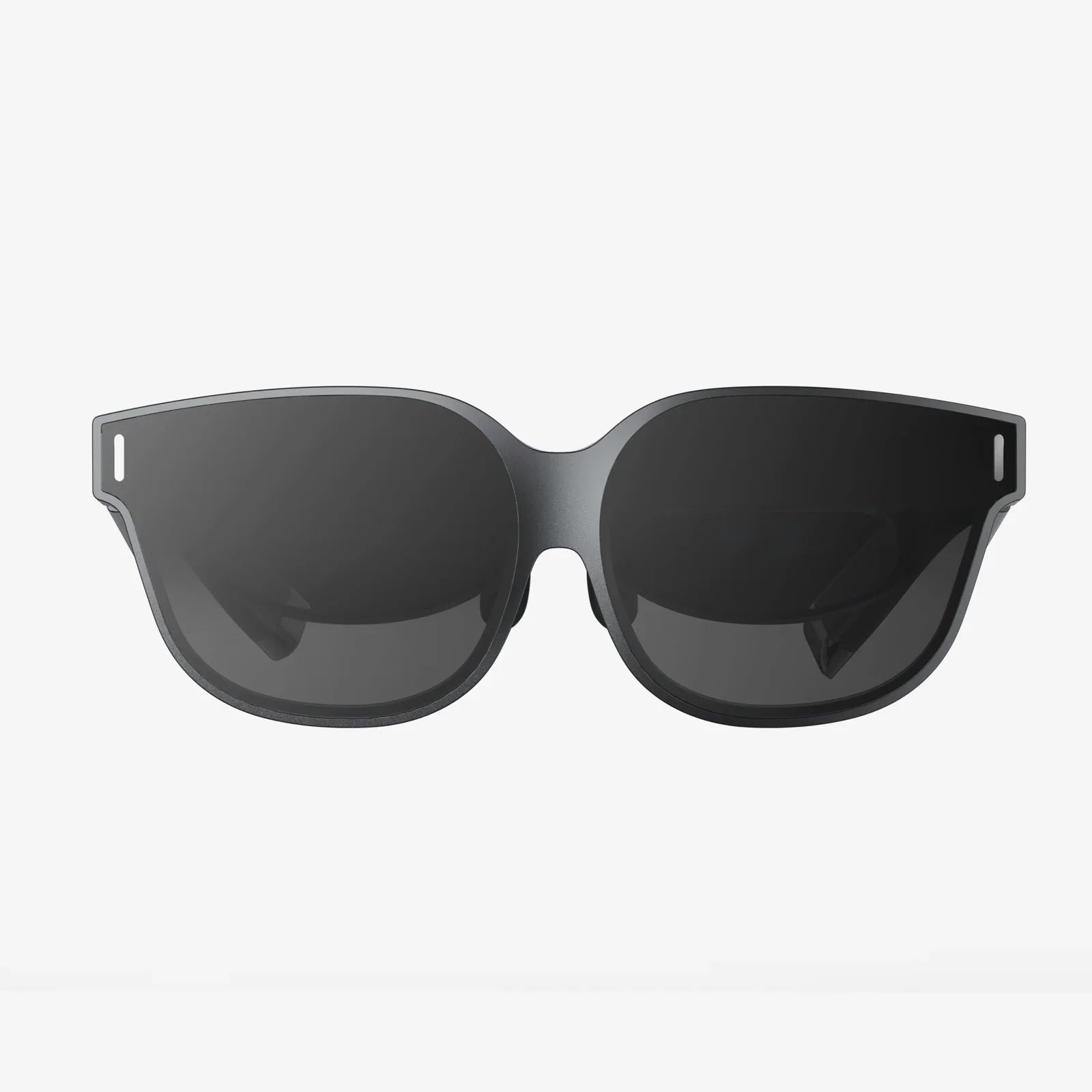
Imagine a world where capturing life's most spontaneous moments doesn't require fumbling for a device, where the line between experiencing an event and recording it vanishes into the frames of your everyday eyewear. This is no longer the realm of science fiction; it's the compelling reality offered by camera glasses with audio, a technological marvel that is quietly revolutionizing how we interact with the world around us.
The Convergence of Sight and Sound
At its core, the concept of camera glasses with audio represents a significant leap in wearable technology. It's the seamless integration of a first-person perspective (POV) camera and a discrete audio recording system into a form factor that is both familiar and functional: a pair of glasses. This convergence aims to liberate the user from the constraints of handheld devices, enabling a truly hands-free and immersive documentation experience. The goal is not to replace traditional cameras or smartphones but to serve a unique niche where convenience, discretion, and a natural point-of-view are paramount.
Deconstructing the Technology
Understanding the appeal of these devices requires a look under the hood. The engineering challenges are immense, requiring a delicate balance between performance, size, power, and aesthetics.
The Optical Heart: The Camera System
Embedded typically in the bridge or the corner of the frame is a miniature high-resolution camera. Despite its small size, it often boasts features once reserved for larger devices:
- Video Resolution: Many models now support Full HD (1080p) or even 4K video recording, ensuring clear and detailed footage.
- Field of View: A wide-angle lens is standard, capturing a broad perspective that mimics human vision, making the recordings feel more natural and inclusive of the environment.
- Low-Light Performance: Advanced sensors and software processing help to mitigate the challenges of recording in dimly lit conditions.
- Image Stabilization: Electronic or digital stabilization is crucial to counteract the natural shake and movement of the wearer's head, resulting in smoother, more watchable videos.
The Unseen Narrator: Audio Capture
What truly separates camera glasses from simple body cams is the integrated audio. This is achieved through one or more built-in microphones designed to do more than just record sound; they aim to capture it intelligently.
- Directional Audio: Microphones can be tuned to focus on sounds coming from directly in front of the wearer, helping to isolate a conversation from background noise.
- Wind Noise Reduction: Special algorithms or physical design elements minimize the disruptive rumble of wind, which is a common issue for outdoor recordings.
- Ambient Sound Recording: Alternatively, some are designed to capture the full, immersive soundscape of the environment, perfect for recreating the feeling of being there.
Power and Storage: The Unsung Heroes
All this technology demands power. A rechargeable lithium-ion battery is discreetly housed within the temples, offering anywhere from 60 minutes to over two hours of continuous recording. Storage is handled by internal memory or, more commonly, a microSD card slot, allowing users to expand capacity and easily transfer files to another device. Connectivity, via Bluetooth and Wi-Fi, enables live preview, file management, and sharing through a dedicated smartphone application.
A World of Applications: Beyond Novelty
The utility of camera glasses with audio extends far beyond recording casual vlogs. They are finding profound purpose in a diverse range of professional and personal scenarios.
Professional and Industrial Use Cases
- Field Journalism: Reporters can capture raw, immersive footage in dynamic and fast-moving situations without drawing undue attention to themselves or a large camera crew.
- Law Enforcement and Security: Offers a transparent, hands-free method of documenting interactions, gathering evidence, and ensuring accountability from a first-person perspective.
- Technical Training and Remote Assistance: A technician performing a complex repair can stream their point-of-view to an expert located anywhere in the world, who can then guide them through the process with precision, seeing exactly what they see.
- Healthcare and Telemedicine: Surgeons could record procedures for training purposes, or a physical therapist could monitor a patient's form during exercises without being physically present.
Everyday and Lifestyle Applications
- Adventure and Travel: For cyclists, skiers, hikers, and travelers, they provide a breathtaking way to document journeys without interrupting the experience. The hands-free operation is invaluable for capturing action sports.
- Content Creation: Vloggers and social media creators use them to offer unique, immersive perspectives that feel more authentic and engaging than a traditional static shot.
- Memory Preservation: Capturing a child's first steps, a musical performance, or a heartfelt conversation with a loved one from your own perspective creates a powerful and intimate record.
- Accessibility Aid: For individuals with memory impairments or specific cognitive disabilities, they can serve as a visual and auditory diary, helping to recall events, instructions, or locations.
Navigating the Ethical and Legal Minefield
The power of this technology is inseparable from a significant responsibility. The ability to record video and audio discreetly raises serious ethical and legal questions that users must navigate carefully.
The Expectation of Privacy
Laws regarding recording conversations vary dramatically by country, state, and locality. Most jurisdictions operate under a "one-party" or "two-party" (all-party) consent law for audio recording.
- One-Party Consent: This means only one person involved in the conversation (presumably the wearer) needs to consent to the recording.
- Two-Party/All-Party Consent: This requires that every single person involved in a conversation must give their permission to be recorded.
Video recording in public spaces where there is no reasonable expectation of privacy is generally legal, but recording in private spaces (homes, offices, bathrooms) is not. The onus is entirely on the user to understand and comply with the laws in their area. Ethically, even if legal, secretly recording private conversations is widely considered a breach of trust.
Social Etiquette and Norms
Wearing camera glasses in a social setting can make others feel uncomfortable, surveilled, and distrustful, even if you are not actively recording. It challenges social norms and can be perceived as deceptive or intrusive. The best practice is transparency: informing people they are being recorded and respecting their wishes if they object.
Choosing the Right Pair: Key Considerations
If you determine that camera glasses are right for your needs and you are committed to using them responsibly, several factors should guide your choice.
- Video and Audio Quality: Don't just look at resolution; seek out sample footage to judge real-world clarity, smoothness, and sound fidelity.
- Battery Life: Match the battery life to your intended use. For all-day wear with sporadic recording, look for strong standby time. For continuous filming, prioritize maximum record time.
- Storage and Connectivity: Ensure it has adequate internal storage or a microSD card slot. A robust and intuitive companion app is essential for control and file management.
- Design and Comfort: They are, first and foremost, glasses. They must fit well, be comfortable for extended wear, and suit your personal style. Consider lens options like prescription, blue light filtering, or polarized sunglasses.
- Durability and Weather Resistance: If intended for active use, look for models with reinforced construction and some level of water and dust resistance.
The Future Through a Augmented Lens
The evolution of camera glasses is intrinsically linked to the broader field of augmented reality (AR). The next generation of these devices will likely not just record the world but overlay it with digital information—navigation prompts, translated text, facial recognition, and contextual data—all visible directly on the lenses. The camera will become the eye for an AI, analyzing the world in real-time to provide the wearer with insights and information. This convergence will further blur the lines between capturing reality and interacting with an enhanced version of it.
From a novel gadget to a powerful tool with the potential to transform industries and redefine personal documentation, camera glasses with audio represent a fascinating pivot point in our relationship with technology. They offer a glimpse into a future where our tools are woven so seamlessly into our lives they become almost invisible, empowering us to capture, create, and connect in ways we are only beginning to imagine. The true power of this technology lies not in its ability to record unseen, but in its potential to help us see our world—and our place within it—in an entirely new light.
Share:
Web AR vs App AR: The Ultimate Showdown for the Future of Augmented Reality
Web AR vs App AR: The Ultimate Showdown for the Future of Augmented Reality