


- by wangfred
Can You Watch TV with VR Goggles? The Ultimate Immersive Viewing Guide
- by wangfred
Imagine settling into your favorite armchair, but instead of staring at a fixed rectangle on your wall, you're transported to a private IMAX theater, a cozy cinematic loft, or even the edge of a virtual galaxy with a screen that feels a hundred feet wide. This is the promise and the profound shift in personal entertainment that virtual reality offers. The question isn't just can you watch TV with VR goggles, but rather, why would you ever want to go back to a traditional setup once you've experienced it? The journey from a simple novelty to a legitimate, powerful viewing platform is complete, and it's redefining what it means to binge-watch your favorite series or get lost in a blockbuster film.
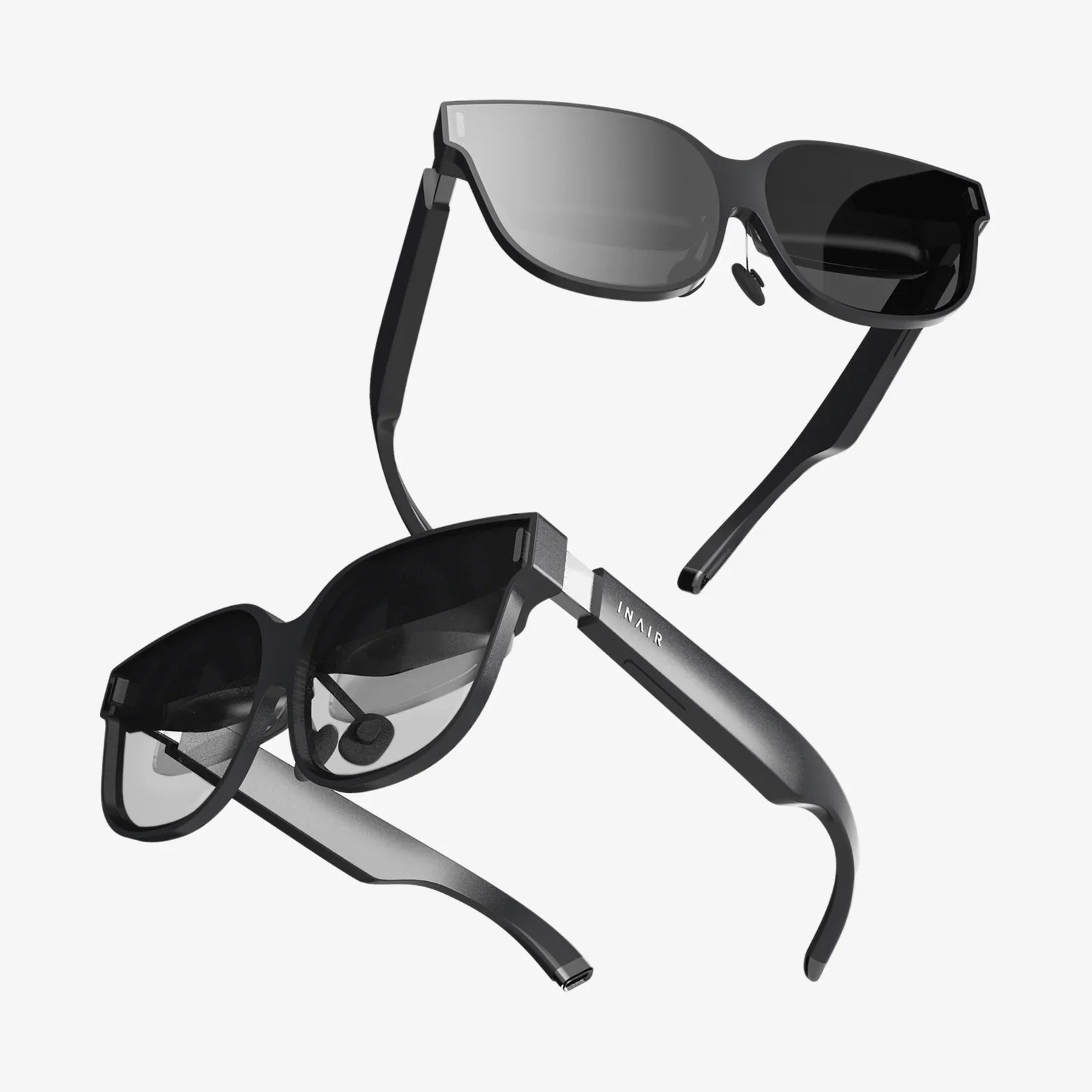
At its core, the ability to watch standard television and film content on a VR headset is a feat of software innovation built upon specialized hardware. Modern VR systems are essentially powerful, wearable computers with high-resolution displays placed mere centimeters from your eyes. Using a combination of technologies like OLED or LCD panels, precise lenses, and advanced head-tracking sensors, these devices can simulate a two-dimensional screen of immense scale within a three-dimensional virtual environment.
The process is elegantly straightforward. Dedicated media player applications within the VR ecosystem are designed to project video content onto virtual screens. These aren't just simple floating windows; they are sophisticated simulations that account for your head position, the virtual environment's lighting, and even acoustics to create a convincing and comfortable experience. The headset's internal computer handles the decoding of video streams—whether from a stored file, a streaming service app, or a live television feed—and maps it onto this virtual cinema screen, all in real-time and with stunning clarity.
Gone are the days of limited, clunky methods for viewing. Today, accessing your TV shows and movies in VR is as seamless as it is on a smart TV, with a variety of pathways tailored to different preferences.
The most straightforward method is through official applications available on VR platform stores. Major streaming services have recognized the growing VR user base and have developed native applications. These apps don't just play video; they create entire themed environments. You might find yourself choosing between a modern theater, a retro living room, or a futuristic spaceship bridge, all from the main menu. This integration provides direct access to vast libraries of content without the need for a secondary device, offering a plug-and-play experience that is incredibly user-friendly.
For those who want to access content from their computer or even a connected games console, virtual desktop applications are the key. This powerful software mirrors your physical computer monitor inside the VR headset. You can then open any application you would normally use on your desktop—web browsers for network TV sites, media player software for local files, or any other streaming service that may not have a dedicated VR app. This method effectively turns your headset into a massive, private monitor for your entire computer, offering unparalleled flexibility. The experience of sitting in a virtual environment while your actual PC desktop floats before you is both surreal and immensely practical.
Modern VR systems include fully functional web browsers built for the immersive medium. This allows you to navigate directly to any website that hosts video content. Whether it's a news network's live broadcast, a video-sharing platform, or a network's own streaming portal, if it plays in a browser on your computer, it can likely be played on a virtual screen within the VR browser. This is often the simplest way to catch live TV streams or access more niche content providers that haven't developed their own applications.
Choosing to watch TV in VR isn't just a different method; it's a categorically superior experience in several key areas that traditional televisions simply cannot replicate.
The most immediate benefit is the sheer level of immersion. A standard TV, no matter how large, is still a object in your room, with distractions all around it. VR eliminates all of that. The virtual screen becomes your entire field of view, demanding your attention and pulling you into the narrative. This is the ultimate solution for achieving a true "theater-like" experience at home, with no distractions from your surroundings, no phone screens lighting up, and no interruptions—just you and the story. For fans of epic cinema or intricate dramas, this level of focus elevates the viewing experience to an art form.
Economically and spatially, it's impossible for most people to have a true theater-sized screen in their home. VR shatters this limitation. With a simple slider in a media app, you can adjust your virtual screen from a comfortable 50-inch feel to a staggering 200-foot behemoth that fills your vision. The sense of scale and grandeur this provides, especially for special effects-heavy films or nature documentaries, is breathtaking and something that cannot be matched by any physical television on the consumer market.
Why watch a sci-fi movie in your living room when you can watch it from the bridge of a starship looking out into the cosmos? VR media apps allow you to change your environment to match your content or your mood. The ability to customize your virtual space is a form of entertainment in itself, adding a new layer of engagement to passive viewing. You are no longer just a viewer; you are the curator of your own cinematic universe.
Due to the technology of the lenses and screens, the perceived pixel density and quality of the image in a modern VR headset can be exceptionally high when you are focused on the virtual screen. Furthermore, some headsets offer the ability to watch 3D films, a format that has largely disappeared from cinemas and home media. In VR, 3D content is revitalized, offering incredible depth and pop without the dimness or awkward glasses of traditional 3D TV technology.
While the experience is revolutionary, it is not without its practical considerations. Being aware of these factors is key to setting realistic expectations and ensuring a comfortable viewing session.
This is arguably the most significant hurdle. Even the most comfortable VR headset is still a device strapped to your face. For a two-hour movie, this is generally manageable for most users, but for an entire season of a show, it can become fatiguing. The industry is constantly improving ergonomics with better weight distribution, facial interfaces, and balanced designs. Using over-ear headphones with the headset can also add to the feeling of bulk. Finding a comfortable seating position—leaning back in a recliner is often ideal—is crucial for marathon viewing sessions.
Unlike a television that is always in perfect focus, a VR headset requires the user to find the "sweet spot" where the image is clearest through the lenses. Holding your head perfectly still for long periods can cause neck strain for some. Additionally, the phenomenon known as "vergence-accommodation conflict"—where your eyes focus on a screen that is physically close but virtually far away—can cause eye strain for a minority of users. It's recommended to take regular breaks, just as you would when working on a computer.
Watching TV is often a social activity. Traditional setups allow for conversation, shared snacks, and a shared physical experience. VR, by its nature, is isolating. While some platforms are developing social features that allow you to invite friends' avatars into your virtual theater to watch together, this is a digital approximation of a shared experience. It's a fascinating and fun technological solution, but it is fundamentally different from sitting on a couch with loved ones.
Standalone VR headsets run on internal batteries, which typically last two to three hours. This is sufficient for a standard film but may require a mid-movie recharge for a long director's cut or a extended viewing period. The solution is often to use the headset while plugged into a power source, which slightly limits mobility but enables unlimited viewing time.
The evolution of this technology is moving at a breakneck pace. We are already seeing headsets with vastly improved resolution, nearing the coveted "retina" level of clarity where the human eye can no longer distinguish individual pixels. Advancements in pancake lenses are making devices thinner, lighter, and more comfortable. The future points towards mixed reality (MR) headsets that can seamlessly blend high-quality virtual screens into your real physical environment, allowing you to place a massive television on your empty wall while still being able to see your room, your snacks, and the people you are with. This could solve the social isolation drawback while preserving the immense screen benefits.
The concept of the "television" as a physical object is being decoupled from the "experience" of watching visual media. The screen is becoming a software entity, unshackled from its plastic and glass cage, able to be summoned, resized, and contextualized anywhere the user desires. This represents a fundamental shift not just in how we consume content, but in how we think about the very space our entertainment occupies in our lives.
So, can you watch TV with VR goggles? The answer is a resounding and sophisticated yes. It is no longer a speculative "what if" but a fully realized "how to." It offers a paradigm of viewing that trades the communal, fixed nature of the traditional television for a deeply personal, immersive, and spectacularly scalable experience. It asks the viewer to make a trade-off: the shared physical space of a living room for the boundless, private cinema of the mind. For those seeking the ultimate in visual immersion and a escape from the distractions of the everyday, the virtual theater is not just an alternative; it is the final frontier of home entertainment, waiting just behind the lenses.