


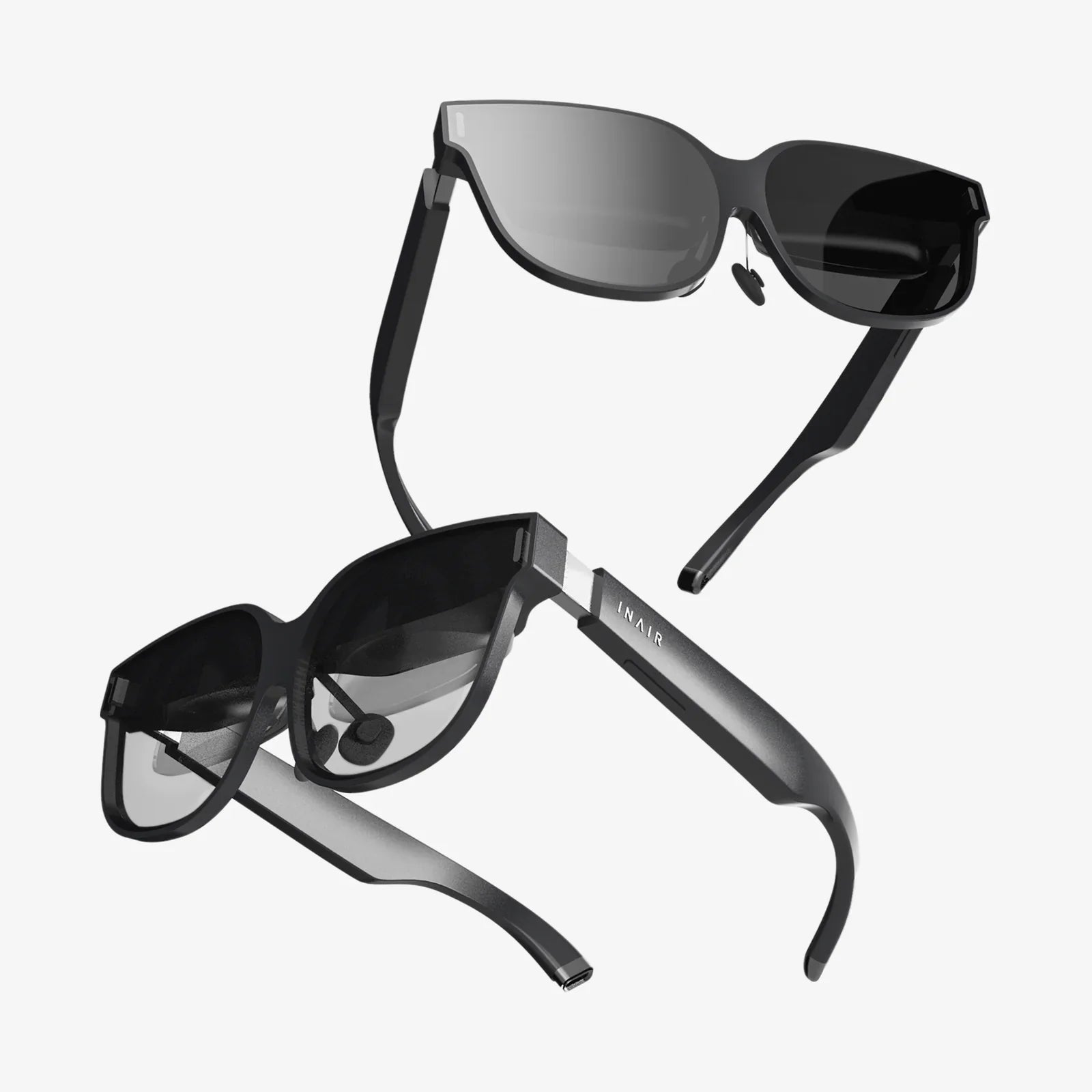
You’ve just unboxed your sleek new virtual reality headset, the gateway to breathtaking digital landscapes, heart-pounding games, and immersive social experiences. You’re moments away from diving in, but a familiar, everyday object gives you pause: your glasses. A wave of questions crashes over you. Will they fit? Will they get scratched? Will the experience be a blurry, uncomfortable mess? The short, reassuring answer is a resounding yes, you absolutely can wear glasses in VR, and millions of users do so every day. But the journey to achieving perfect, comfortable clarity is what we’re here to explore. Forget the anxiety; a world of seamless immersion awaits, and it’s designed with your vision in mind.
The Fundamental Challenge: Why Glasses and VR Can Be an Awkward Fit
To understand the solutions, we must first appreciate the core challenge. Virtual reality headsets function by placing a complex optical system—a set of lenses—extremely close to your eyes. These lenses refocus the light from the internal screens to create a comfortable, seemingly distant image for your eyes to focus on. Your prescription glasses serve a similar purpose: they correct your vision by bending light to compensate for the specific imperfections in your eyes.
When you combine these two optical systems, you’re essentially stacking lenses. This creates several potential points of friction, both literal and figurative:
- Physical Space: The headset’s housing has a finite amount of room, known as the eye relief or eye box. Standard eyeglass frames can easily bump against the headset’s own lenses, applying pressure on the bridge of your nose and the sides of your head.
- Risk of Damage: This contact is the primary concern. Rubbing between your glass or plastic lenses and the headset’s precision-made, often coated Fresnel or pancake lenses can lead to permanent scratches on both sets of optics, a nightmare scenario for any user.
- Compromised Comfort: Even if scratching is avoided, a tight fit can make the headset unbearably uncomfortable to wear for more than a few minutes, shattering the sense of immersion.
- Optical Imperfection: If your glasses are not positioned perfectly within the headset’s sweet spot—the ideal placement for a clear image—you can experience visual artifacts like blurriness, chromatic aberration, or a reduced field of view (FOV).
Recognizing these challenges is the first step toward overcoming them. The good news is that headset designers are acutely aware of them and have developed numerous innovations to accommodate the vast portion of the population that requires vision correction.
Built-in Solutions: How Modern Headsets Accommodate Eyewear
Gone are the days of one-size-fits-all VR. The current generation of hardware offers a variety of built-in features specifically designed to make wearing glasses not just possible, but pleasant.
Adjustable Eye Relief / Lens Distance
This is arguably the most critical feature for glasses-wearers. Many modern headsets include a physical dial or knob that allows you to move the entire lens assembly closer to or farther away from your face. By dialing the lenses out, you create precious millimeters of extra space within the headset, allowing your glasses to sit comfortably without making contact with the VR lenses. This simple adjustment is often the difference between a painful, risky experience and a perfect, custom fit.
Customizable Facial Interfaces
The soft foam or silicone gasket that seals light and contours to your face is known as the facial interface. Several popular headset manufacturers offer alternative, deeper facial interfaces. Swapping out the standard “thin” pad for a “glasses-friendly” or “wide” interface is a low-cost, highly effective way to increase internal volume, providing a dedicated and comfortable space for your frames.
Software Assistance: The Digital Sweet Spot
Beyond physical adjustments, software can play a role. Some platforms include digital guides to help you find the optical sweet spot while you’re wearing your glasses. These guides assist in adjusting the headset’s position on your head and the IPD (Interpupillary Distance) setting to ensure the image is as sharp as possible through your corrective lenses.
Taking Matters into Your Own Hands: User Tips for a Perfect Fit
Even with the best hardware, a little user knowledge goes a long way. Here are essential tips for ensuring a safe and clear experience every time you enter VR.
- Measure Your Frames: Before even putting the headset on, consider the size of your glasses. Narrow, rectangular frames with thin arms are ideal. Large, wide, or overly curved “wraparound” fashion frames are more likely to cause issues. If your daily glasses are bulky, you might consider an older, smaller pair dedicated for VR use.
- The Art of Placement: When donning the headset, use one hand to hold the headset away from your face. With the other hand, position your glasses securely on your nose. Then, slowly bring the headset the final distance to your face, ensuring the headset’s strap is holding the weight, not your glasses being squeezed against your face.
- Utilize the Adjustments: Don’t just wear the headset “as is.” Take the time to adjust the top strap, side straps, lens distance dial, and IPD slider. A properly balanced headset should feel secure but not tight, with the weight distributed across your forehead and the back of your skull, not your cheeks and nose.
- Invest in Protection: If you have any lingering fear of scratches, invest in a set of inexpensive aftermarket lens protection rings. These are usually made of soft silicone or foam and act as a physical bumper, creating a safe barrier between your glasses and the headset’s lenses. They are a small price to pay for peace of mind.
Beyond Glasses: Exploring Dedicated Vision Correction Options
For the serious VR enthusiast who spends significant time in virtual worlds, wearing glasses inside a headset can feel like a temporary workaround. For those seeking the ultimate in comfort, convenience, and optical fidelity, two superior solutions exist.
Prescription Lens Inserts: The Gold Standard
This is widely considered the best solution for permanent, glasses-free VR clarity. Prescription lens inserts are custom-made magnetic adapters designed for your specific headset model. You send your prescription (including PD, or pupillary distance) to a specialized company, and they manufacture lenses that clip or magnetically attach directly onto the headset’s internal lens housing.
The benefits are transformative:
- Perfect Fit: They eliminate the spatial issue entirely, as your glasses are no longer inside the headset.
- Superior Comfort: The headset can be worn tighter and closer to your face, increasing the field of view and stability without any pressure points.
- Optimal Optics: Designed specifically for the headset’s lenses, they provide a larger, clearer sweet spot and reduce distortions.
- Full Protection: They permanently protect the headset’s valuable built-in lenses from dust, sweat, and scratches.
- Shared Use: They pop on and off in seconds, making it easy for multiple users with different prescriptions to share a headset without constantly adjusting it for glasses.
Contact Lenses: The Simple Switch
For those who already wear or are comfortable with contact lenses, they offer a simple and effective way to enjoy VR. By correcting your vision directly on your eye, contacts completely bypass the spatial and optical complications of wearing glasses. You interact with the headset’s optics directly, as the designers intended, resulting in the widest possible field of view and the most straightforward user experience. It’s a low-tech solution to a high-tech problem.
Addressing Common Concerns and Myths
Let’s dispel some lingering doubts that might be holding you back.
Myth: “Wearing glasses in VR will definitely scratch the lenses.”
Reality: Scratching is a risk, not a certainty. It is easily mitigated by using the headset’s adjustment mechanisms, choosing appropriate frames, and using protective bumpers. With minimal care, it is entirely avoidable.
Myth: “The VR experience will be blurry and distorted with glasses.”
Reality: If your glasses correctly correct your vision, the VR image should be just as sharp as it is for a non-glasses wearer. The key is taking the time to find the headset’s sweet spot while wearing your glasses. Any blurriness is usually a sign that the headset needs to be adjusted on your head.
Myth: “It’s too uncomfortable and gives me a headache.”
Reality: Discomfort and headaches are often caused by an improperly fitted headset, an incorrect IPD setting, or the Vergence-Accommodation Conflict (a natural phenomenon in all VR, not specific to glasses). Proper adjustment, as outlined in this guide, should eliminate most comfort issues related to glasses.
A Clear Path Forward into Virtual Worlds
The question is no longer if you can wear glasses in VR, but how you can do it best. The barriers have been systematically dismantled by thoughtful design and innovative aftermarket solutions. Whether you opt for the simple built-in adjustments of a modern headset, the added security of lens bumpers, or the premium experience of custom prescription inserts, a perfect fit is within your reach. Your prescription is a part of you, and the immersive, awe-inspiring universe of virtual reality is now fully accessible. Don’t let your glasses sit on the sidelines; adjust your headset, secure your frames, and take that step into a crystal-clear digital reality. The next frontier is waiting, and it’s in perfect focus.
Share:
AI Glasses Options: The Ultimate Guide to the Next Era of Wearable Technology
Augmented Reality Growth Projections Signal a Paradigm Shift in Human-Computer Interaction