


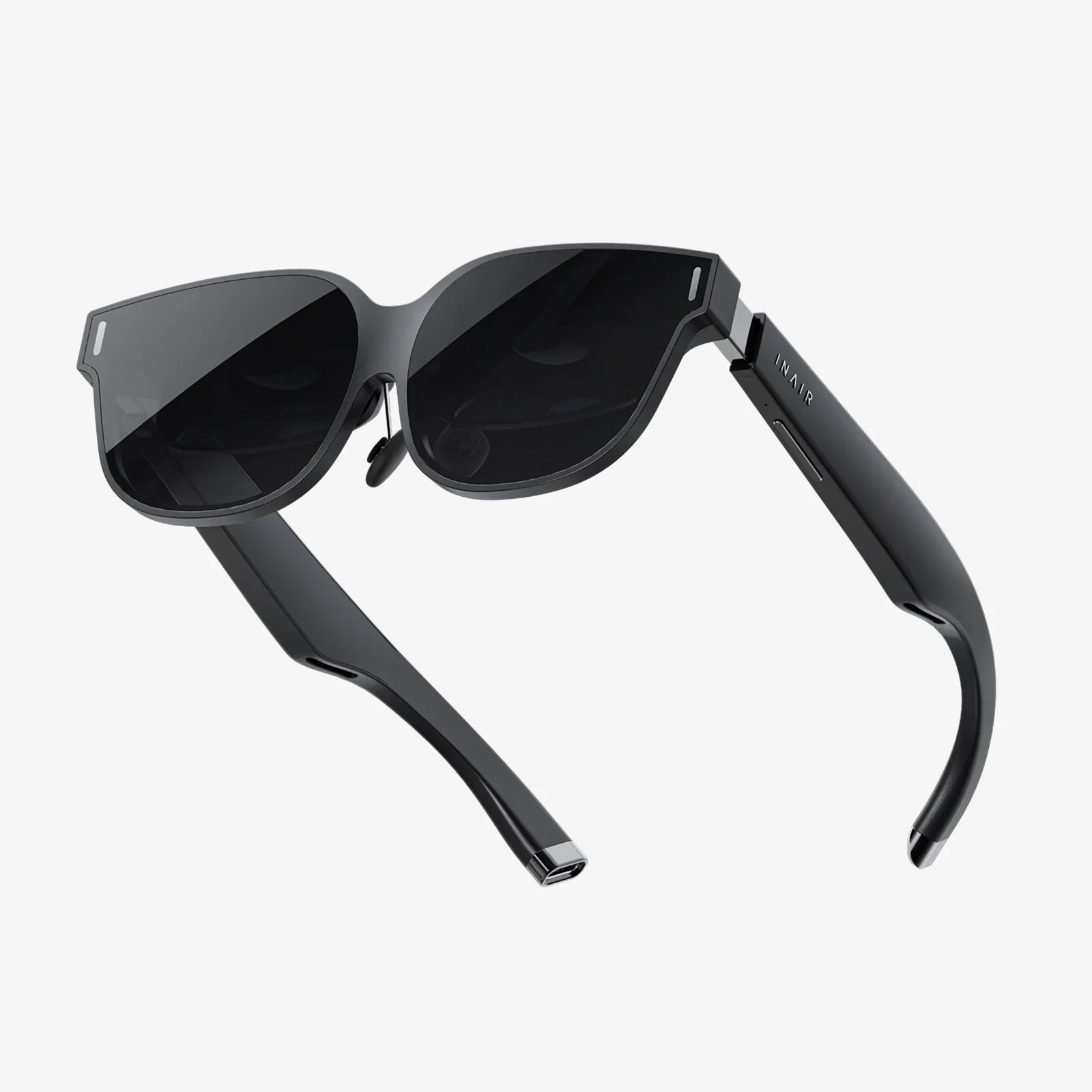
The open road beckons, a symbol of freedom and independence. But in our hyper-connected world, the urge to remain plugged in is constant. As a pair of sleek, high-tech smart glasses slides onto your face, a critical question emerges, one that sits at the precarious intersection of cutting-edge technology and fundamental safety: is this new window to the digital world a dangerous distraction or a seamless aid when you're behind the wheel? The answer is far from simple, tangled in a web of evolving laws, human psychology, and the very nature of attention itself. This isn't just about convenience; it's a matter of legal responsibility and life-or-death consequences.
The Legal Landscape: A Patchwork of Regulations
Unlike the clear-cut laws governing handheld mobile phones, the legal status of smart glasses while driving is murky and varies dramatically across different jurisdictions. There is no single, universal answer, which places a significant burden on the driver to understand the rules of the road wherever they may be.
In many regions, traffic laws are written broadly to encompass any activity that could distract a driver. Legislation often prohibits driving while "using" or "holding" a handheld electronic device. While smart glasses are worn and not held, law enforcement and the courts may interpret their active use as a violation of distracted driving statutes. For instance, if you are visibly interacting with a heads-up display, gesturing to control menus, or having a conversation through them, an officer could reasonably issue a citation for distracted driving.
Some areas have more specific laws. Certain states have explicitly banned watching videos or displaying moving images on any screen visible to the driver, which could technically include a smart glasses display. The key factor often boils down to two questions: Is the device impairing the driver's ability to safely operate the vehicle? And is the driver's attention diverted from the primary task of driving?
It is absolutely imperative for any driver considering the use of this technology to thoroughly research the specific laws in their own state, province, or country. Assuming that because the device is worn on the head it is automatically permitted is a dangerous and potentially costly misconception.
The Psychology of Distraction: More Than Meets the Eye
To truly understand the risks, we must move beyond the legal text and into the realm of cognitive science. Driving is a complex task that requires the continuous synthesis of visual, auditory, and kinesthetic information. Distraction, in this context, is any competing event that pulls your attention away from this critical task. Experts categorize driving distraction into four main types:
Visual Distraction
This occurs when your eyes are off the road. Even a quick glance at a notification on a smart glasses display is a visual distraction. At highway speeds, a two-second glance means you are driving blind for a significant distance.
Manual Distraction
This involves taking your hands off the wheel. While smart glasses may be controlled by voice or subtle gestures, any interaction that requires a hand movement—even to adjust the fit or tap a temple—constitutes a manual distraction.
Auditory Distraction
This happens when you focus on sounds other than the traffic environment. Audio cues from smart glasses, like navigation prompts, message notifications, or phone call audio, can mask crucial external sounds like sirens, horns, or the screech of tires.
Cognitive Distraction
This is the most insidious and dangerous type. It happens when your mind is not focused on driving. Reading a text message, thinking about a calendar alert, or processing information from an augmented reality overlay all pull your mental resources away from the dynamic and unpredictable task of navigating traffic. Your eyes may be on the road, but your mind is elsewhere, drastically reducing your reaction time and situational awareness.
Smart glasses have the potential to trigger all four types of distraction simultaneously, creating a perfect storm of inattention.
Potential Pitfalls: When Smart Features Create Dumb Drivers
The very features that make smart glasses appealing are the ones that pose the greatest risks on the road.
- Notifications and Alerts: The constant ping of a new email, message, or social media update is designed to capture your attention. On the road, this interruption can be catastrophic, pulling your cognitive focus away from a merging vehicle or a changing traffic light.
- Augmented Reality (AR) Overlays: While the idea of having navigation arrows painted onto the road seems helpful, it can create visual clutter. The driver must now differentiate between digital information and the real-world environment, a process that can lead to information overload and slower reaction times to actual hazards.
- Voice and Gesture Controls: While hands-free, these systems are not mind-free. Holding a conversation, even via voice, induces significant cognitive load. The brain is engaged in formulating responses and processing language, which impairs its ability to fully concentrate on driving.
- The Novelty Factor: New technology is inherently distracting. The urge to test features, adjust settings, or simply marvel at the experience will inevitably draw focus from the road, especially in the initial period of use.
A Glimmer of Hope? Potential Benefits and Future Applications
It is not all doom and gloom. In a controlled and carefully designed capacity, smart glasses technology could theoretically enhance driving safety, not detract from it. The concept is to provide contextual, glanceable information that reduces the need for the driver to look away from the road.
Imagine navigation cues that appear as simple, intuitive directional markers in the periphery of your vision, eliminating the need to look down at a dashboard screen. Speed and fuel-level information could be subtly displayed, integrated into the field of view without obscuring important details. For professional drivers or in complex logistical operations, vital data could be accessed without fumbling for paperwork or a device.
The critical distinction lies in passive information delivery versus active interaction. A system that provides simple, crucial data without requiring any response from the driver could be a net benefit. However, any system that prompts the driver to engage, respond, or dive into menus immediately becomes a dangerous distraction. The technology must be designed from the ground up with driver safety as the paramount concern, prioritizing minimalism and context over constant connectivity.
Navigating the Gray Area: A Driver's Responsibility
Until laws and technology mature, the ultimate responsibility rests with the person behind the wheel. If you choose to wear smart glasses while driving, adopting a strict code of conduct is non-negotiable.
- Know the Law: Ignorance is not a valid defense. Research and understand the specific regulations in your area.
- Pre-Set Everything: Before you start the engine, set your navigation, connect your audio, and configure any "driving mode" the glasses might offer. Do not adjust settings while the vehicle is in motion.
- Embrace Driving Mode: If your device has a dedicated driving mode that silences non-essential notifications and limits functionality, use it religiously. This is the single most important feature for safety.
- Prioritize the Road: The moment you feel confused, overwhelmed, or distracted by the technology, disable it or remove the glasses entirely. No notification is worth a life.
- When in Doubt, Take Them Off: The safest choice, especially in heavy traffic, poor weather conditions, or unfamiliar areas, is to simply not use them at all. The baseline of safe driving—two hands on the wheel and eyes on the road—has not been improved upon.
The dashboard of the modern car is already a hub of potential distraction, with large touchscreens and connected infotainment systems. Adding another layer of digital information directly into your line of sight is a risk that must be managed with extreme caution and personal accountability.
The hum of the engine, the feel of the steering wheel, the ever-changing tapestry of the road ahead—driving is a deeply human experience that demands our full presence. Smart glasses represent a fascinating technological leap, a promise of a world where information is seamlessly woven into our reality. But behind the wheel, that promise collides with a stark responsibility. The road is not a place for multitasking; it is a shared space where a single moment of diverted attention can irrevocably alter lives. The power to connect must never eclipse the fundamental duty to protect oneself and others. The most intelligent driving aid will always be an attentive, focused, and unimpaired human mind.
Share:
Best AR: Navigating the Future of Augmented Reality Technology and Its Limitless Potential
Problems with Wearable Technology: The Hidden Costs of a Connected Life