


- by wangfred
Capabilities of Wearables: Beyond the Wrist, Into the Future of You
- by wangfred
Imagine a world where your watch doesn't just tell time, but tells you about yourself; where a ring on your finger can predict a fever before you feel it, and glasses on your face can overlay a digital universe onto the physical one. This is no longer the realm of science fiction. The capabilities of wearables have exploded from simple step-counting into a sophisticated ecosystem of technology that is intimately intertwined with our biology, our habits, and our daily lives, promising a future of hyper-personalized, proactive, and pervasive computing.
The journey of wearable technology is a testament to rapid innovation. Initially dismissed by many as mere fitness trackers or expensive notifications screens for smartphones, these devices have undergone a metamorphosis. The foundational capabilities of counting steps and monitoring sleep have become table stakes. Today's wearables are evolving into comprehensive health guardians, seamless connectivity hubs, and even extensions of our own senses. This shift is driven by advancements in miniaturization, sensor technology, battery life, and, most importantly, the sophisticated algorithms that transform raw data into actionable, meaningful insights.
Arguably the most impactful arena for wearable capabilities is personal health. These devices have moved far beyond basic activity tracking to become powerful diagnostic and monitoring tools.
Modern wearables are equipped with an array of sensors capable of monitoring a suite of vital signs continuously and non-invasively. This includes:
Understanding that health is not just about activity but also about recovery, wearables have developed sophisticated sleep tracking capabilities. They don't just track duration; they analyze sleep stages (light, deep, REM), detect disturbances, measure blood oxygen levels during sleep to screen for conditions like sleep apnea, and provide a comprehensive score on sleep quality. This data empowers users to make lifestyle changes to improve their rest, which is fundamental to overall well-being.
By analyzing heart rate variability (HRV)—the subtle variations in time between each heartbeat—wearables can provide insights into the user's autonomic nervous system and their body's readiness to handle stress. Many devices now offer guided breathing sessions based on real-time heart rate data to help users manage acute moments of anxiety, promoting mental wellness alongside physical health.
The capabilities of wearables extend into creating a frictionless digital experience. They act as a remote control for your digital life, seamlessly connecting you to your devices and your environment.
Smartwatches and similar devices filter the digital noise, delivering only the most important notifications to your wrist. This allows users to stay connected without being constantly glued to their smartphone screens, promoting a more present and less distracted lifestyle. The ability to take calls, respond to messages, and control music directly from the wearable enhances convenience and efficiency.
With integrated NFC technology, a wearable can become your wallet, allowing for secure contactless payments. Furthermore, the technology is expanding to include digital car keys, hotel room keys, and even home access, effectively replacing the need for a physical keychain.
At its core, the proliferation of wearables fuels the "Quantified Self" movement—the practice of systematically tracking aspects of one's life to gain self-knowledge. By aggregating data on activity, sleep, nutrition, heart rate, and more, these devices provide a holistic view of one's habits and their outcomes. This data-driven approach enables personalized goal setting and evidence-based lifestyle modifications, empowering individuals to take an active role in optimizing their health and performance.
Another critical capability of modern wearables is enhancing personal safety. Features like fall detection use accelerometer and gyroscope data to identify a hard fall. If the user is unresponsive, the device can automatically place a call to emergency services and share their location. Similarly, crash detection for drivers and cyclists can automatically call for help if a severe incident is detected. For those in potentially dangerous situations, discreet emergency SOS features can alert predetermined contacts with a simple gesture.
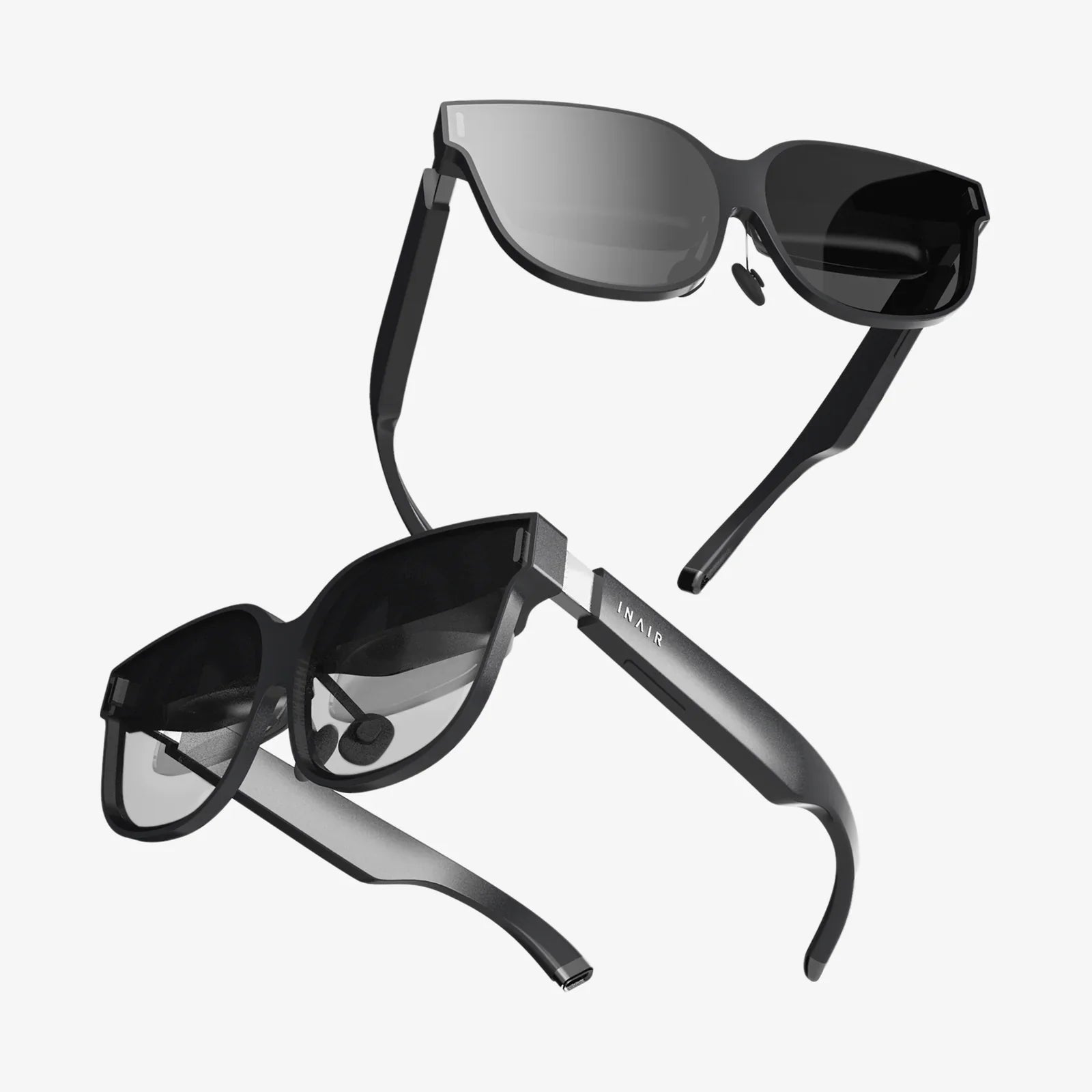
Looking beyond the wrist, the next frontier for wearable capabilities lies on our faces. Augmented Reality (AR) glasses and smart audio devices aim to overlay digital information onto the real world seamlessly. Imagine seeing navigation arrows painted onto the street in front of you, having a recipe displayed in your field of vision as you cook, or receiving real-time language translation subtitles during a conversation with someone speaking another language. These devices promise to make technology an intuitive and contextual layer of our reality rather than a separate device we need to constantly check.
With great capability comes great responsibility. The expanding prowess of wearables raises important questions.
The true power of a wearable is no longer in its ability to simply track a metric, but in its capacity to synthesize data into a coherent narrative of your life, to whisper warnings about your health before you can hear them yourself, and to dissolve the barriers between your intentions and your actions. We are stepping into an era where technology is not something we use, but something we wear, something that learns from us and, in turn, teaches us about ourselves. The next time you glance at your wrist, remember—you're not just checking the time; you're checking in on the future.