


- by wangfred
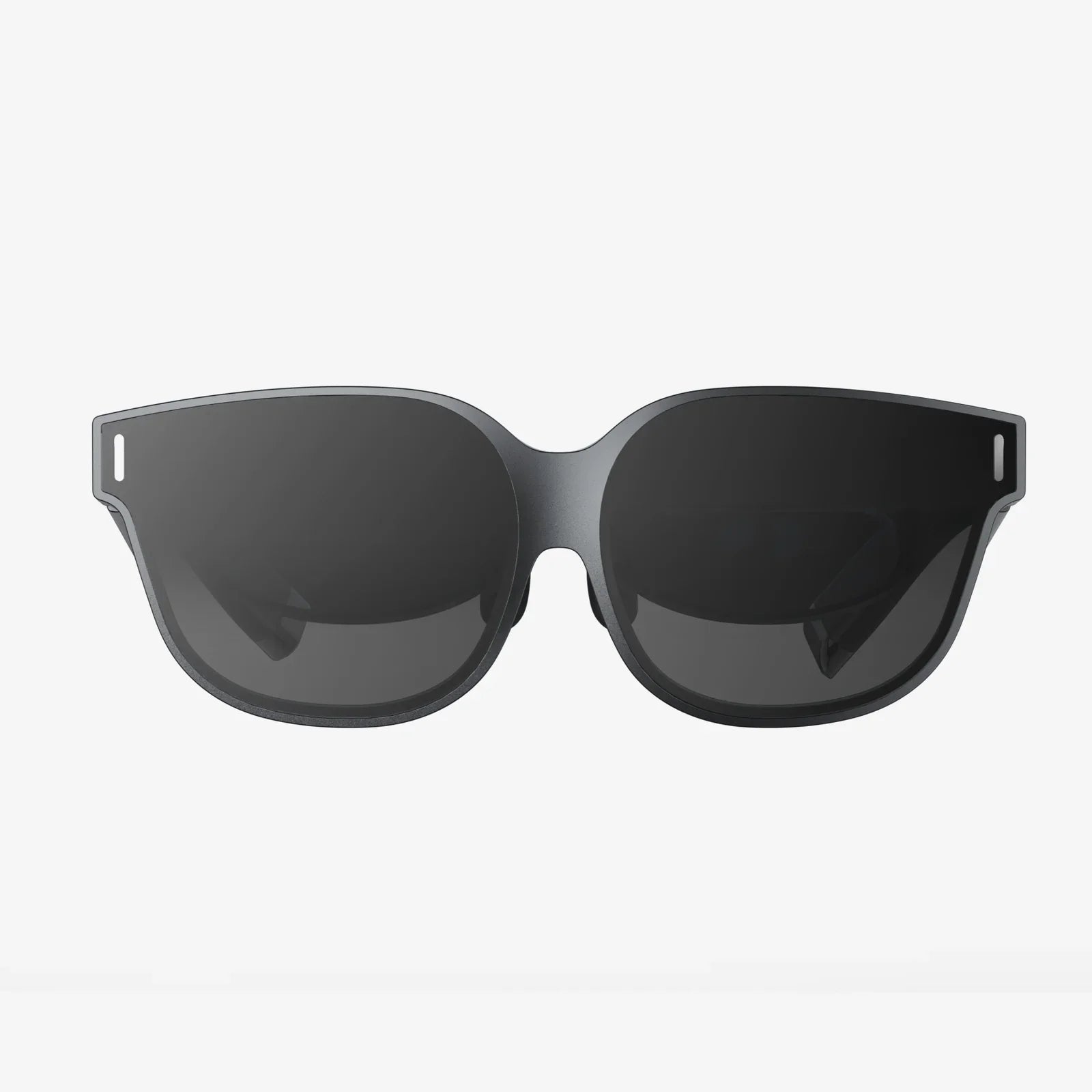
Cheap Prescription Smart Glasses: The Future of Vision and Tech is Now Affordable
- by wangfred
Imagine a world where your vision isn't just corrected, but enhanced; where the digital realm seamlessly integrates with your physical surroundings, all through a pair of stylish frames that don't require a second mortgage. This isn't a distant sci-fi fantasy—it's the reality ushered in by the arrival of cheap prescription smart glasses. For years, the concept of smart eyewear was synonymous with exorbitant price tags and clunky, experimental designs, placing it firmly out of reach for the average consumer. Today, a quiet revolution is underway, democratizing this cutting-edge technology and making it an accessible tool for millions. This is the story of how affordability is finally meeting augmented reality, and why your next pair of glasses could fundamentally change how you see and interact with the world.
The journey of smart glasses began in the realm of high-tech prototypes and premium, niche products. Early iterations were often bulky, limited in functionality, and carried a cost that positioned them as curiosities for developers and tech enthusiasts with deep pockets. They were seen as a luxury, a novel gadget rather than a practical everyday tool. The primary barrier was always the cost, which was driven by expensive components like micro-displays, sophisticated sensors, powerful miniature processors, and complex optical systems. For those who also required prescription lenses, the expense was often prohibitive, layering the high cost of custom vision correction onto an already premium technology product.
However, as with all technology, rapid innovation and economies of scale began to take effect. Components became smaller, more efficient, and significantly cheaper to manufacture. Advances in waveguide technology, which projects digital images onto the lenses, and the proliferation of smartphone-level chipsets meant that the core technology could be produced at a fraction of the former cost. This technological trickle-down effect is what has finally paved the way for the emergence of truly cheap prescription smart glasses. They represent the maturation of the category, moving from a proof-of-concept to a viable, functional, and, most importantly, affordable consumer product.
It's crucial to understand what "cheap" means in this context. We are not discussing flimsy, low-quality products. Instead, "cheap" refers to exceptional value—devices that offer robust core smart features without the premium price tag of high-end models. Typically, this new affordable tier focuses on essential functionalities rather than trying to be an all-in-one supercomputer for your face.
You can expect features like:
What you might sacrifice at this price point are features like high-resolution color displays, advanced standalone GPS, or built-in cameras for photography and videography. The focus is on utility and accessibility, providing a gateway into the augmented world without overwhelming the user or their wallet. This strategic simplification is the key to their affordability.
The drop in price is no accident. It is the result of several key engineering and manufacturing breakthroughs. One of the most significant is the standardization of optical modules. Instead of designing a completely unique and expensive system for each model, manufacturers are now using refined, mass-produced optical engines that can be integrated into various frame designs. This modular approach drastically reduces research, development, and production costs.
Secondly, the reliance on the smartphone has been a great equalizer. Cheap prescription smart glasses often act as a companion display to your phone, leveraging its processing power, internet connection, and GPS. This means the glasses themselves don't need to house the most powerful (and expensive) chipsets and batteries, keeping them lightweight, less complex, and far cheaper to produce. The glasses handle the display and input, while the phone handles the heavy computational lifting.
Finally, advancements in battery technology have been crucial. Smaller, more energy-efficient components mean smaller batteries are required. Many affordable models use a discrete battery pack that can be housed in the temple of the glasses, avoiding the need for exotic and costly materials while still providing all-day battery life for core features.
For users with vision impairments, the "prescription" element is non-negotiable. The challenge for manufacturers was to integrate smart technology without compromising on optical clarity or the ability to customize lenses for individual vision needs. The solution has been elegantly simple in most affordable models: the smart components are built into the frame's top section or the temples, projecting information onto a clear zone of the lens or onto a small, discreet reflective element.
This means an optician can fit the frames with standard prescription lenses, just like any other pair of glasses. The process involves inserting your personalized prescription lenses into the smart frame, ensuring perfect vision correction alongside digital augmentation. This modularity is vital for keeping costs down, as it allows users to use vision insurance for the lenses themselves and separates the cost of the tech from the cost of the prescription.
The true value of any technology is revealed in its daily use. Cheap prescription smart glasses are moving beyond novelty to become genuine tools for productivity, safety, and accessibility.
For the professionals, imagine a mechanic who can view a repair manual or a schematic hands-free while working on an engine, or a warehouse worker who sees inventory information without stopping to check a clipboard or handheld scanner. For the everyday user, it’s about convenience: following a recipe in the kitchen without touching a tablet with messy hands, getting turn-by-turn navigation superimposed on the road ahead while walking in a new city, or controlling a podcast during a run without ever pulling out a phone.
Perhaps most profoundly, they offer significant accessibility benefits. For individuals with certain mobility challenges or hearing impairments, receiving notifications and information visually and audibly through their glasses can be transformative. Real-time transcription of conversations for the hard of hearing is one powerful example of how this technology, when made affordable, can have a profound social impact.
Naturally, skepticism exists. Can a cheap pair of smart glasses really deliver a good experience? The answer, increasingly, is yes. While they may not offer the full immersive, high-fidelity experience of their premium counterparts, they excel at their intended purpose: providing glanceable information. The display quality on budget models is typically monochrome and low-resolution, but this is often a benefit for readability in various lighting conditions and for conserving battery life. The key is managing expectations. You are not buying a full virtual reality experience; you are buying a convenient, heads-up display for your daily life that also corrects your vision.
Durability is another common concern. Reputable manufacturers of affordable models understand these are everyday wear items. They use materials like flexible TR90 nylon and strong acetate to ensure the frames are durable and comfortable, even with the added electronics. Many come with standard warranties that cover defects, providing peace of mind alongside the low cost.
The trajectory is unmistakable. As component costs continue to fall and manufacturing processes become even more efficient, the features and capabilities of cheap prescription smart glasses will only expand. We can anticipate brighter displays, more intuitive gesture controls, and even greater battery life, all while staying within an accessible price range. This isn't just a trend; it's the normalization of augmented reality as a practical tool, integrated into one of the most common medical devices in the world—eyeglasses.
This shift will catalyze a new wave of software development. As the installed base of users grows from thousands to millions, app developers will have a massive incentive to create innovative applications specifically for this always-available, glanceable interface. This virtuous cycle of hardware adoption driving software innovation, which in turn drives more hardware adoption, is what solidifies the future of this technology in the mainstream.
We are standing at the precipice of a new era of personal technology, one where our tools don't demand our full attention but instead subtly enhance our perception of the world around us. The arrival of cheap prescription smart glasses shatters the final barrier to entry, transforming augmented reality from a dazzling demo into a dependable daily companion. The question is no longer if you'll try them, but when you'll make the switch and finally see what you've been missing.