


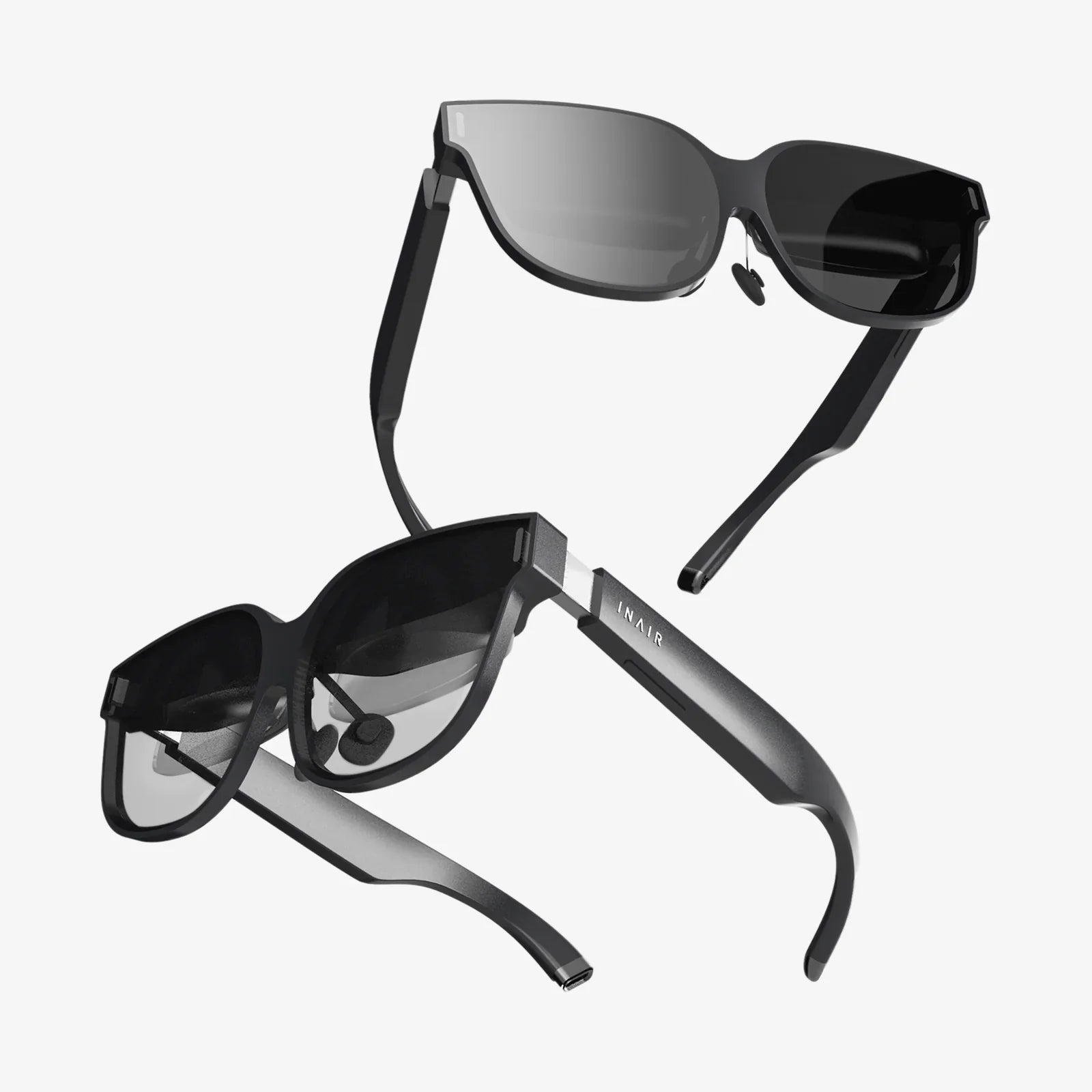
Imagine stepping into a vast, digital landscape, battling intergalactic foes, or sculpting in thin air with your own hands—all without a single wire tethering you to a powerful computer or a hefty price tag holding you back from the experience. The dream of accessible virtual reality is no longer a distant future; it's here, powered by a new generation of hardware that prioritizes affordability and convenience. The quest for a cheap standalone VR headset price is reshaping the entire industry, opening doors for millions of new users. But what does 'cheap' really mean in this rapidly evolving market, and what are you truly getting for your investment? This deep dive will unpack the technology, the trade-offs, and the thrilling possibilities that affordable, untethered VR now offers.
The Revolution of Standalone Technology
To understand the current pricing landscape, one must first appreciate the monumental shift that standalone headsets represent. The first wave of modern VR was dominated by tethered devices. These headsets were essentially high-resolution displays housed in a shell, relying entirely on an external device—a powerful gaming computer or a games console—to act as their brain. This external brain handled the immense processing power required to render two high-frame-rate views of a 3D world. The result was an incredible, high-fidelity experience, but the barrier to entry was colossal. The cost of a capable computer, combined with the price of the headset itself, placed premium VR firmly in the realm of dedicated enthusiasts and professionals.
Standalone headsets shattered this paradigm. By integrating the entire computing system—processor (CPU), graphics unit (GPU), memory, and storage—directly into the headset itself, they eliminated the need for an external box. This integration was a feat of miniaturization and thermal engineering. Suddenly, the only requirement was to charge the headset's battery. This move untethered the user not just physically, allowing for complete freedom of movement, but also financially, severing the need for a significant upfront investment in complementary hardware. This fundamental architectural change is the primary reason we can now discuss a genuinely cheap standalone VR headset price.
Deconstructing the "Cheap" VR Headset Price
The term 'cheap' is relative and multifaceted. In the context of standalone VR, it generally refers to the entry-level segment of the market, but it's crucial to dissect what this cost encompasses.
The Hardware Breakdown
A low price point is achieved through a combination of strategic decisions and technological economies of scale:
- Display Panels: Early VR used expensive OLED displays. Modern affordable headsets often use Fast-Switch LCDs. While they may not achieve the perfect blacks of OLED, they are significantly cheaper, have reduced motion blur, and higher subpixel density, reducing the 'screen-door effect'.
- Processor (SoC - System on a Chip): This is the heart of the device. Affordable headsets utilize mobile-grade processors, similar to those found in high-end smartphones. Manufacturers leverage years of mobile chip innovation, using slightly older but proven and cost-effective architectures to keep prices down without sacrificing playable performance.
- Tracking Technology: The move from external sensors (called outside-in tracking) to inside-out tracking was a massive cost-saver. Affordable headsets have multiple wide-angle cameras embedded on the exterior that track the environment and the controllers simultaneously, eliminating the need for the user to purchase, set up, and calibrate separate external sensors.
- Build Materials and Design: To hit a low price, manufacturers often use more lightweight plastics and fabric materials instead of premium metals and glass. The focus is on comfort and function over luxury finishes. The design is also streamlined for mass production, reducing complex and costly assembly processes.
The Ecosystem and Content Strategy
The initial hardware sale is only one part of the equation. A cheap standalone VR headset price is often a gateway to a broader content ecosystem. The real long-term value for the manufacturer comes from taking a percentage of every game, app, and experience sold on their proprietary digital storefront. This allows them to adopt a more aggressive, competitive hardware pricing strategy, knowing that a larger user base will lead to more software sales. It's a model perfected by games consoles and now successfully applied to VR.
The Trade-Offs: What Does a Lower Price Get You?
While the technology inside is impressive, a lower price point inevitably involves compromises. Understanding these trade-offs is key to setting realistic expectations.
Performance and Graphical Fidelity
This is the most significant trade-off. A mobile processor, no matter how advanced, cannot compete with the raw power of a full-sized desktop GPU. This means that graphically intensive games will often run at a lower resolution, with less detailed textures, simpler lighting effects, and shorter draw distances compared to their tethered counterparts. The experience is still highly immersive and enjoyable, but it may not have the visual punch of a high-end PC VR title. The focus is on smooth, comfortable gameplay rather than photorealism.
Battery Life and Thermal Management
All the computing is happening just inches from your face, which creates a thermal challenge. Affordable headsets must balance performance with heat generation and battery consumption. Intensive gaming sessions will drain the battery, often limiting playtime to two to three hours. The need for passive and active cooling can also add slight weight and fan noise, though modern designs have become very efficient at managing this.
Field of View and Comfort
To reduce cost and complexity, cheaper headsets may have a slightly narrower field of view (FOV) than premium models. This means you might see more of the "goggles" effect, with black borders at the edge of your vision, rather than a completely seamless view. Furthermore, while comfortable, the materials and headstrap design may not be as plush or finely adjustable as on more expensive kits, potentially requiring aftermarket accessories for extended wear.
Who is the Affordable Standalone VR Headset For?
Given these trade-offs, the target audience for a headset with a cheap standalone VR headset price becomes clear. It is the perfect entry point for:
- First-Time VR Users: Individuals and families curious about VR but unwilling to make a four-figure investment. It offers a low-risk way to experience the medium.
- Casual Gamers and Media Consumers: Those interested in fun, arcade-style games, social VR platforms, and immersive 360-degree videos. The library is packed with engaging content that doesn't require top-tier graphics.
- Educators and Trainers: The affordability and all-in-one nature make it feasible for schools and businesses to deploy multiple headsets for interactive learning and training simulations.
- Existing PC VR Users Seeking Freedom: Even enthusiasts who own high-end setups might want an untethered device for more physical experiences, travel, or sharing VR with friends and family easily.
The Future of Affordable VR
The trend towards lower prices is accelerating, driven by fierce competition and rapid technological advancement. We are already seeing the next generation of mobile processors delivering performance that was unthinkable just a few years ago. Features like advanced hand-tracking, which eliminates the need for controllers altogether, are becoming standard even on budget devices. Furthermore, the concept of cloud streaming or computational offloading could one day allow affordable standalone headsets to tap into remote supercomputers, potentially bridging the gap between mobile and PC-level graphics without any local hardware upgrades.
The market for a cheap standalone VR headset price is not about delivering a compromised experience; it's about democratizing a revolutionary technology. It's about prioritizing accessibility, convenience, and fun. The compromises are real, but for a vast majority of users, they are far outweighed by the sheer joy of stepping into VR anywhere, anytime, without breaking the bank. The future of VR is not just high-fidelity; it's ubiquitous, and it starts with an affordable price of admission.
Your portal to other worlds no longer demands a king's ransom. With a cheap standalone VR headset price now a reality, the only thing standing between you and your next adventure is the decision to take the plunge. The technology has matured, the library is bursting with creativity, and the barriers have finally crumbled. This isn't a watered-down preview of the future; it's the mainstream arrival of immersive computing, ready for your living room, your classroom, and your imagination. The era of accessible VR is here—what will you create when you get in?
Share:
How Could Accenture's Relationship to Extended Reality Reshape the Enterprise World?
iPhone 4 VR: The Unlikely Pioneer That Sparked a Mobile Revolution