


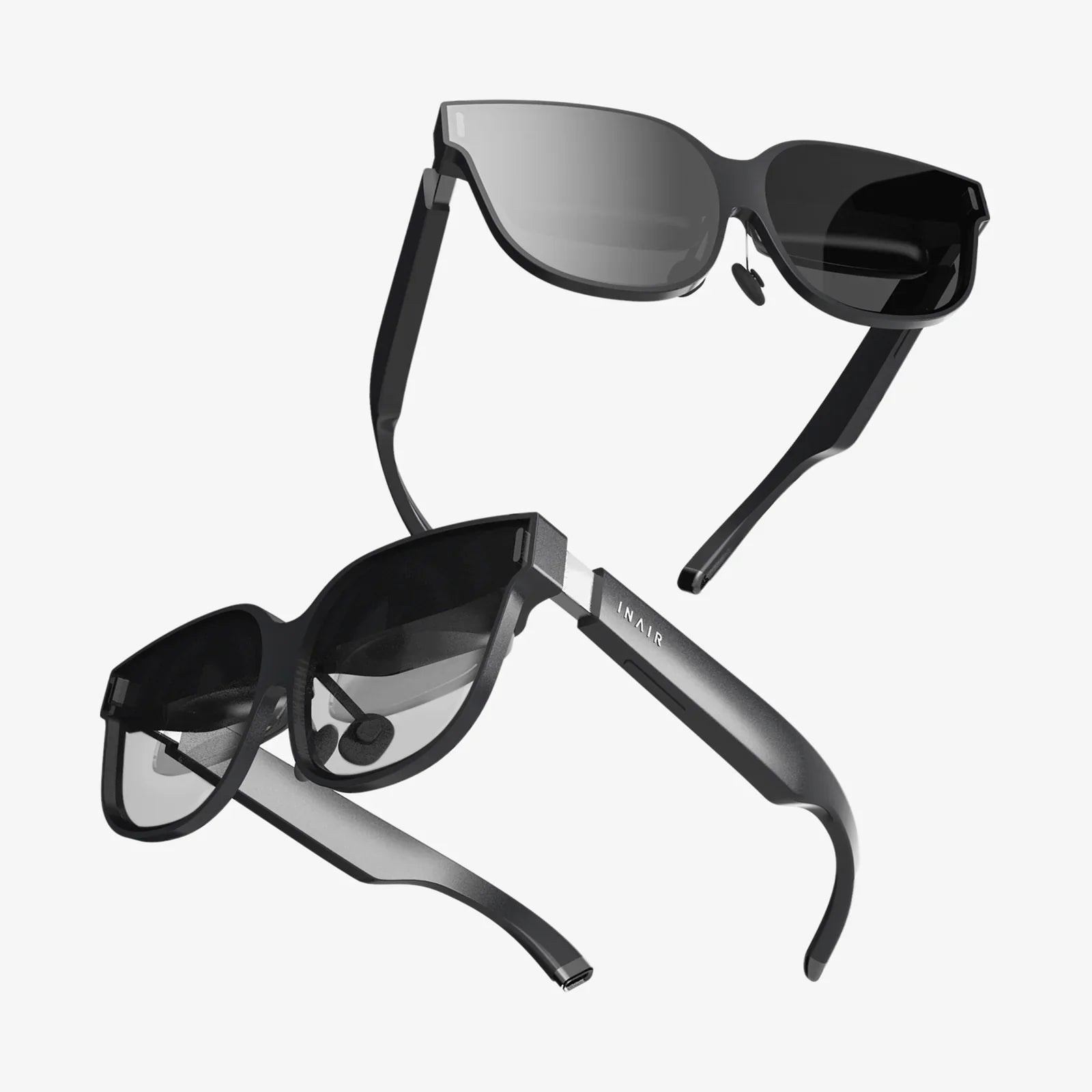
Imagine strapping on a headset and instantly being transported to a gladiatorial arena, the cockpit of a starfighter, or a serene, otherworldly landscape. For years, this fantasy came with a fantasy price tag, a luxury reserved for those with deep pockets. But what if the gateway to these incredible worlds was hiding in your pocket or available for less than a night out? The search for the cheapest VR gaming headset is no longer a quest for a disappointing compromise, but a journey into the most exciting and accessible frontier of gaming. The era of affordable virtual reality is here, and it's more compelling than you might think.
Defining "Cheap" in the Virtual World
Before we dive in, it's crucial to understand what "cheapest" truly means in the context of VR. Price is just one part of the equation. The real cost encompasses the hardware itself, the required peripherals (like controllers), and the computing power needed to run it. A headset might have a low sticker price but require a prohibitively expensive gaming personal computer to function. Therefore, we must categorize affordable VR into three distinct tiers, each with its own definition of "cheap."
The Three Pillars of Affordable VR
1. Mobile VR: The True Budget Entry Point
This category represents the absolute cheapest way to experience virtual reality. These headsets are essentially sophisticated holders for your smartphone, using its screen, processors, and sensors to power the experience.
How They Work: You download VR apps and games onto your phone, slot it into the headset's compartment, and use a combination of head-tracking and simple Bluetooth controllers (sometimes included, sometimes purchased separately) to interact. The graphical fidelity and processing power are entirely dependent on your smartphone's capabilities.
The Experience: Don't expect to play graphically intensive, room-scale games like Half-Life: Alyx. Mobile VR excels at 360-degree videos, casual games, immersive tours, and simple experiences. It's a fantastic, low-risk way to introduce yourself to the concept of VR, see if you're susceptible to motion sickness, and enjoy passive content.
The Hidden Costs: The headset itself is cheap, but it requires a modern, mid-to-high-end smartphone. If you already own one, the barrier to entry is incredibly low. If you don't, the true cost skyrockets.
2. Standalone VR: The Value King
This is arguably the most popular and balanced category for consumers seeking a great VR experience without a colossal investment. Standalone headsets have all the necessary computing hardware, sensors, and displays built directly into the unit. They are completely wireless and self-contained.
How They Work: Think of them as specialized gaming consoles for your face. They have their own operating system, app stores, and internal batteries. You put on the headset and you're inside its interface, free to download games, socialize, and watch media without being tethered to another device.
The Experience: This is where "proper" VR gaming begins. You get six degrees of freedom (6DoF)—meaning you can not only look around but also move your head physically in any direction within a virtual space, with your movements tracked accurately. Paired with modern motion controllers, the level of immersion is profound. The library of games is vast and growing, featuring everything from fitness apps and puzzle games to full-fledged action-adventure titles.
The Value Proposition: While the upfront cost is higher than mobile VR, it represents tremendous value. There are no hidden costs for a powerful personal computer or a latest-generation phone. The price you pay is the price you pay. For millions, this is the sweet spot of performance, convenience, and affordability.
3. Tethered PC VR on a Budget
This path is for those who already own a reasonably powerful gaming personal computer and want to leverage that investment for the highest-fidelity VR experience possible at a lower headset cost.
How They Work: These headsets act as dedicated displays and sensors. They connect via a cable to a personal computer, which acts as the engine, rendering the complex visuals and running the games. The personal computer does all the heavy lifting.
The Experience: This method can deliver the absolute best visual quality, refresh rates, and access to the most demanding PC-exclusive VR titles. However, you are physically tethered to your computer, which can limit movement and immersion.
The True Cost: The headset itself might be found at a competitive price, especially for older or discontinued models. However, the mandatory requirement of a VR-ready personal computer—with a powerful graphics card, a strong central processing unit, and ample RAM—means the total investment is almost always the highest of the three categories. "Cheap" here refers only to the headset component.
What to Realistically Expect from a Budget Headset
Managing expectations is key to being satisfied with an affordable purchase. You are making trade-offs, but savvy manufacturers have become experts at smart compromises.
Display: Don't expect the highest resolution displays or the widest field of view. You might encounter something called the "screen-door effect" (where you can see fine lines between pixels), though this has been greatly reduced in recent years. Image clarity might be softer than on premium models.
Build Quality & Comfort: To hit a low price point, manufacturers often use more plastic and less premium materials like metal or leather. The headstrap might be a simple elastic band instead of a rigid, customizable halo design. This can lead to a less balanced feel and discomfort during longer play sessions. However, many third-party comfort accessories are available to mitigate this.
Performance: In standalone headsets, the processor won't be the latest and greatest. This means some complex games might have lower graphical settings, less detailed textures, or occasional frame rate hitches compared to their premium counterparts. The experience is still highly enjoyable, but it won't be as visually polished.
Tracking: Most modern affordable headsets use "inside-out" tracking, where cameras on the headset itself track the controllers' position. This is excellent and convenient, but it can sometimes lose tracking if your controllers are held still for too long or moved directly behind your back. It's a minor quirk that most users adapt to quickly.
Key Features to Prioritize When Buying Cheap
Not all budget headsets are created equal. When comparing options, focus on these critical features that have the biggest impact on your experience.
Refresh Rate: Measured in Hertz (Hz), a higher refresh rate (90Hz and above) leads to smoother motion and significantly reduces the potential for VR-induced motion sickness. This is a crucial comfort feature.
Resolution per Eye: While not the be-all and end-all, a higher resolution will provide a clearer, sharper image, making text easier to read and worlds more believable.
Storage Capacity: Standalone headsets have internal storage for games and apps. 64GB might seem like a lot, but VR titles can be large. 128GB or more is a valuable future-proofing investment.
Controller Quality: Ensure the controllers are ergonomic, have good battery life, and feature analog sticks and a full complement of buttons. They are your hands in the virtual world; bad controllers ruin the magic.
Ecosystem and Game Library: A headset is useless without software. Research the platform's store. Does it have the games you want to play? Are there frequent sales? A vibrant ecosystem is a sign of a healthy platform with long-term support.
The Verdict: Where True Value Lies
After dissecting the market, it becomes clear that the title of "best value" and most practical "cheapest VR gaming headset" for the vast majority of people belongs to the standalone VR category. It eliminates the massive hidden cost of a powerful personal computer while delivering a complete, high-quality, and untethered VR experience that mobile VR simply cannot match. It represents a one-time purchase that opens the door to an entire library of content.
The journey for the cheapest VR headset reveals a market that has matured beautifully. "Cheap" no longer means "bad." It means accessible, smartly designed, and focused on delivering the core magic of virtual reality to the widest possible audience. The compromises made are thoughtful and, for most users, completely acceptable. The thrill of blocking out your reality and stepping into another is no longer a distant dream—it's an affordable reality, waiting on a virtual store shelf for you to claim it. Your next adventure is closer than you think, and it costs far less than you ever imagined.
Share:
iPhone VR Compatibility: Your Ultimate Guide to a Virtual World in Your Pocket
Best Internet Prescription Glasses: Your Ultimate Guide to Affordable, Stylish Vision