


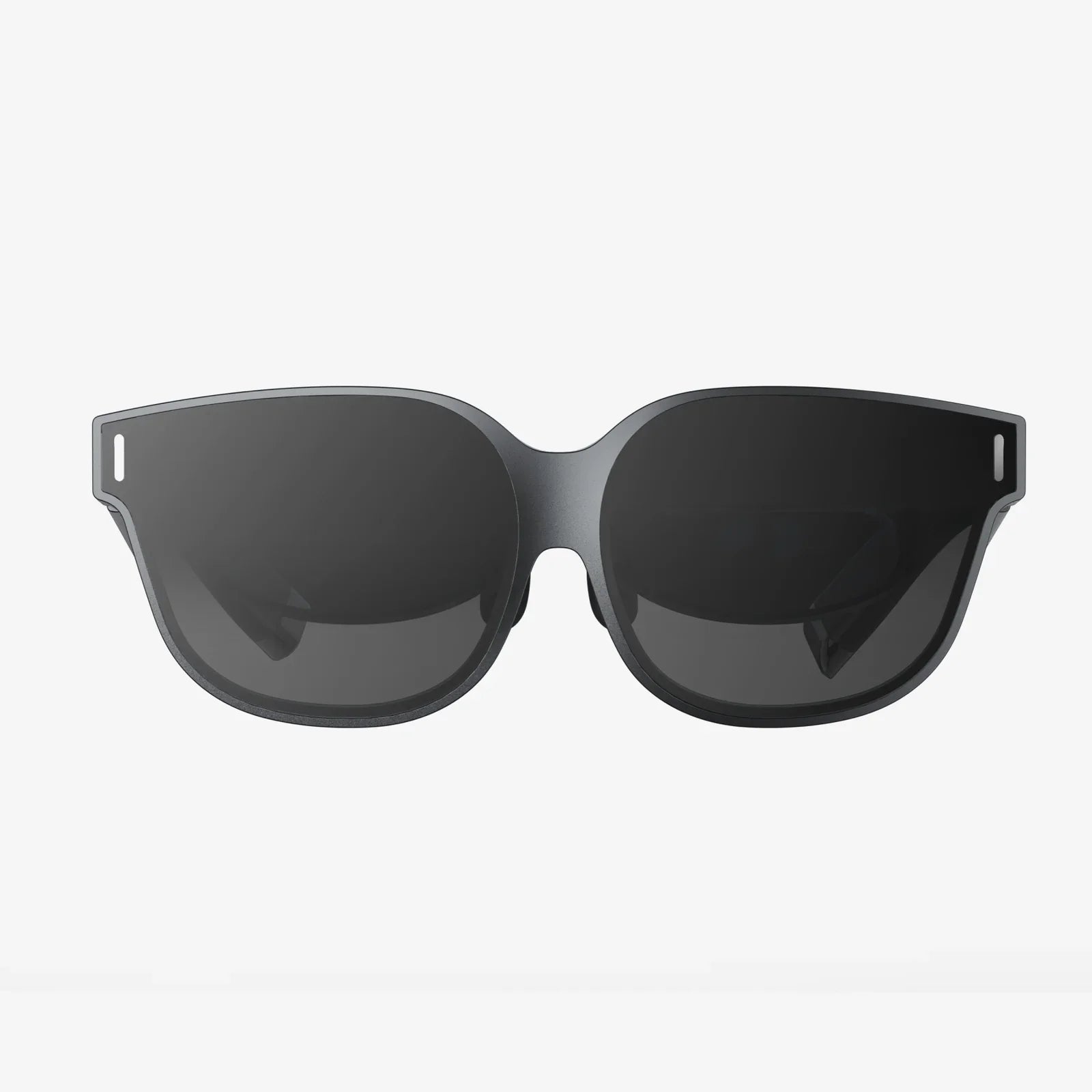
Imagine a world where digital information doesn’t just live on a screen in your hand but is seamlessly woven into the fabric of your reality, accessible through a pair of sleek, lightweight glasses. This isn't a distant sci-fi fantasy; it's a future being built today, and a surprising vanguard of innovators is leading the charge from the East. While global tech titans have long promised the dream of ubiquitous augmented reality, a dynamic ecosystem of Chinese startup AR glasses companies is moving beyond prototypes and delivering tangible, accessible, and surprisingly sophisticated experiences to early adopters and enterprises alike. Their story is not one of mere imitation, but a masterclass in leveraging unique advantages to solve the fundamental hurdles that have plagued the industry for years.
The Fertile Ground: Why China?
The rise of these ambitious companies is not an accident. It is the direct result of a perfect storm of favorable conditions that have created an ideal incubator for AR innovation.
A Manufacturing and Supply Chain Juggernaut
At the core of this advantage is China's unparalleled manufacturing ecosystem. The Pearl River Delta, often called the "world's workshop," is a dense cluster of factories, component suppliers, and engineering talent. For a startup developing a complex hardware product like AR glasses, this proximity is transformative. Where a Western startup might spend months coordinating with overseas manufacturers, a Chinese team can visit a supplier on the same day, iterate on a physical prototype overnight, and test new components within a week. This dramatically shortens development cycles, reduces costs, and allows for rapid iteration based on real-world testing. Access to the global supply chain for micro-OLED displays, waveguide optics, and precision microchips is simply faster and more efficient.
A Massive and Digitally Savvy Domestic Market
China boasts the world's largest and most digitally integrated consumer base. With widespread adoption of mobile payments, super-apps, and a culture that eagerly embraces new technology, Chinese startups have a ready-made testing ground. They can launch products, gather vast amounts of user data, and refine their software and user experience at a scale unimaginable elsewhere. This market is also less saturated with legacy tech products, allowing consumers to be more open to new form factors and use cases for computing.
Strategic Government Support and National Vision
The Chinese government's strategic plans, such as "Made in China 2025" and the focus on developing the "Metaverse" industry, explicitly prioritize advanced technologies like AR/VR. This translates into policy support, research funding, and tax incentives for startups in this space. The national push for technological self-reliance further fuels investment in core technologies like optical engineering and semiconductor design, creating a ripple effect that benefits the entire AR industry.
Beyond the Hype: A Pragmatic Approach to Design
While others chased the elusive "all-day, all-purpose" AR headset, Chinese startups adopted a more pragmatic and consumer-friendly strategy. They identified and attacked the key obstacles to adoption: aesthetics, battery life, and a clear value proposition.
The Form Factor Revolution: From Goggles to Glasses
The most immediate differentiator is design. Many early AR and VR devices were bulky, heavy, and socially isolating. Chinese startups have relentlessly pursued miniaturization. Their current generation of products often resembles a pair of slightly oversized sunglasses, a far cry from the technical headgear of the past. This focus on wearability is crucial for consumer acceptance. By partnering with fashionable eyewear brands and offering various frame styles, they are making AR glasses something people might actually want to wear in public.
Taming the Power Drain
Power consumption has been a nightmare for AR devices. High-resolution displays and complex processing generate heat and drain batteries quickly. Chinese engineers have cleverly sidestepped this issue with a bifurcated approach. Many of their consumer-focused glasses act as external displays, offloading the heavy computational work to a companion smartphone or a small, pocketable computing unit. This keeps the glasses themselves light, cool, and capable of lasting all day on a single charge. For more powerful standalone devices, aggressive power management and efficient chip design are top priorities.
Nailing the Use Case: Utility Over Fantasy
Instead of selling a vague vision of the metaverse, these startups are focusing on specific, high-value applications that solve real problems today. For the consumer, this means brilliant, portable screens for media consumption, real-time translation subtitles overlayed on conversations, navigation arrows painted onto the street, and contextual information about landmarks. For enterprises, the value is even clearer: AR glasses guide warehouse workers to efficiently pick items, provide remote experts with a first-person view to assist field technicians, and allow architects to visualize building plans on-site. This pragmatic focus on utility provides a clear ROI that drives adoption and revenue.
The Software and Ecosystem Play
Hardware is only half the battle. The true potential of AR is unlocked through software and a robust ecosystem. Chinese startups are building their digital moats with great focus.
Android as a Springboard
Leveraging the open-source Android operating system has been a key accelerant. It provides a familiar development environment and a vast pool of engineers who can quickly build applications. Many companies run a customized version of Android, optimized for their specific optical stack and interaction models, allowing them to launch with a functioning software platform from day one.
Curating the Experience and Developer Outreach
To avoid the pitfalls of fragmented app stores, leading startups are carefully curating their platforms. They are developing core killer apps in-house—like immersive video players and translation tools—while simultaneously running developer programs to encourage third-party innovation. Hackathons, SDK releases, and venture funding for AR-focused software companies are all part of the strategy to build a vibrant ecosystem that locks in users.
The Spatial Computing Foundation
The long-term vision is to create the de-facto platform for spatial computing—the next era of human-computer interaction. By controlling both the hardware and the core operating layer, these companies aim to position themselves as the gatekeepers of the blended digital-physical world, much like mobile operating systems dominate the smartphone era.
Challenges on the Horizon
Despite the remarkable progress, the path forward is fraught with challenges that these startups must navigate.
The International Perception and Trust Hurdle
Expanding globally requires overcoming skepticism about data privacy, security, and ties to the Chinese government. Building trust with Western consumers and enterprises will require unprecedented transparency, independent audits, and potentially storing data in local regions. This is a significant cultural and operational shift for many companies.
The Looming Shadow of Tech Giants
While they have a head start in shipping product, the immense resources of American tech giants remain a constant threat. These giants have vast R&D budgets, dominant existing platforms, and strong global brands. Chinese startups must continue to innovate at a blistering pace to maintain their lead in form factor and user experience.
The Quest for the "Killer App"
While current use cases are valuable, the industry still awaits a truly transformative, must-have application that will drive AR into the mainstream in the way that the web browser did for PCs or social media did for smartphones. Whoever funds, develops, or partners to create this killer app will have a defining advantage.
The Global Impact: A New Tech Paradigm
The emergence of a strong Chinese AR ecosystem is reshaping the global technology landscape in profound ways.
It has broken the West's monopoly on defining the future of computing. For decades, Silicon Valley set the agenda. Now, a new, fierce, and deeply capable competitor has arrived, not just as a manufacturer, but as an innovator. This competition will force everyone to innovate faster, reduce prices, and improve accessibility for consumers worldwide.
Furthermore, these startups are demonstrating an alternative innovation model: one that is asset-light, hyper-fast, consumer-driven, and deeply integrated with manufacturing. It is a model that other hardware startups around the world will study and emulate.
Finally, they are accelerating the entire industry's timeline. By proving that functional, consumer-acceptable AR glasses are possible today, they have moved the entire conversation from "if" to "when" and "how." They have made the future feel imminent.
The race to overlay our world with digital magic is on, and the ultimate winners are us—the users. We are witnessing the birth of a new computing paradigm, and the relentless drive of Chinese startup AR glasses makers ensures that this future will arrive sooner, be more affordable, and be more integrated into our daily lives than we ever thought possible. The next time you see someone wearing what looks like a stylish pair of sunglasses, look closer; you might just be glimpsing the next revolution in human interaction, designed and built for the world.
Share:
AI Efficiency Tools Transforming Workflows And Everyday Productivity
vr here virtual reality headset Guide for Immersive Digital Worlds