Imagine a headquarters that exists not in steel and glass, but in silicon and code; a dynamic, always-on environment where your team, scattered across continents and time zones, connects not through a tedious chain of emails and disjointed apps, but within a single, unified digital universe. This is the promise of the collaborative virtual workspace, and it’s rapidly evolving from a futuristic concept into the operational backbone of the modern enterprise. The traditional office is no longer a place, but a presence—and this seismic shift is redefining the very fabric of work, collaboration, and human connection.
The Anatomy of a Digital HQ: More Than Just Video Calls
At its core, a collaborative virtual workspace is a integrated digital platform designed to facilitate synchronous and asynchronous work, communication, and social interaction. It is the antithesis of the application-switching fatigue that plagues modern knowledge workers. Rather than a single tool, it is a cohesive ecosystem built upon several interconnected pillars.
The Persistent Digital Environment
Unlike a video call that ends when the last person leaves, a true virtual workspace is persistent. Think of it as a virtual office floor plan that remains active. Team members can see who is "at their desk," available for a quick chat, or in a focused deep work session. This presence awareness recreates the subtle, ambient awareness of a physical office—knowing if a colleague is free to talk without the intrusion of a direct message. This environment often utilizes customizable avatars and spatial audio, making digital interactions feel more natural and less transactional than a grid of faces on a screen.
Integrated and Synchronous Collaboration Tools
This is the engine room of productivity. It moves beyond simple screen sharing to true co-creation. Teams can simultaneously work on the same digital whiteboard, manipulate 3D models in real-time, edit documents together, or write code in a shared developer environment. The friction of "your turn, my turn" is eliminated. Every change, comment, and contribution is visible instantly, fostering a powerful sense of shared purpose and momentum. This seamless integration is what separates a true workspace from a mere collection of disparate apps bundled together.
Asynchronous Communication Hubs
Recognizing that the future of work is flexible and global, these spaces are built for async-first communication. Threaded conversations, video clips, and voice notes replace long email chains. Information is organized by project or topic in dedicated channels, creating a searchable knowledge repository. This allows team members in different time zones to contribute meaningfully without being online at the same time, democratizing participation and reducing the pressure of immediate response.
The Virtual Watercooler: Fostering Social Cohesion
Perhaps the most innovative aspect is the intentional design for serendipity and social connection. These spaces include virtual coffee corners, game rooms, or social lounges where employees can gather informally. Companies host all-hands meetings, birthday celebrations, and team-building events like trivia nights within these environments. This focus on replicating the informal, social fabric of an office is critical for combating isolation, building trust, and strengthening company culture in a distributed model.
The Unquestionable Advantages: Why the Shift is Inevitable
The adoption of collaborative virtual workspaces is driven by a powerful value proposition that extends far beyond mere convenience.
Democratizing Talent and Unleashing Global Potential
The most significant advantage is the complete dissolution of geographical barriers. Organizations are no longer limited to hiring talent within a commutable distance of a physical office. This allows access to a truly global talent pool, enabling them to find the perfect person for the role, regardless of location. It also empowers individuals in less populated areas to access dream jobs without relocating, creating more equitable economic opportunities.
Supercharging Productivity and Innovation
By centralizing communication, projects, and files, these workspaces drastically reduce context-switching and the time spent searching for information. The barrier to collaboration is lowered to almost zero; a great idea can be sketched on a digital whiteboard and shared with the entire team in seconds. This fluidity accelerates iteration, problem-solving, and creative innovation. The ability to quickly prototype ideas in a shared space, gathering immediate feedback, can compress project timelines dramatically.
Cultivating a Resilient and Inclusive Culture
In a physical office, dynamics can be dominated by the loudest voice in the room. Virtual workspaces, particularly with strong async features, can create a more level playing field. Introverted team members may feel more comfortable contributing via text or recorded video. Every comment in a thread has equal visual weight, unlike a meeting where some participants may be interrupted or overlooked. When designed thoughtfully, these platforms can foster a more inclusive, deliberate, and democratic culture where the best ideas can win, regardless of their source.
Offering Unprecedented Operational Flexibility
These digital HQs provide resilience against disruptions, from extreme weather to global events. Work continues uninterrupted because the "office" is wherever an internet connection exists. Furthermore, they offer employees the flexibility to design their workdays around their lives, not the other way around, leading to higher job satisfaction, better work-life integration, and reduced burnout.
Navigating the Implementation Maze: Challenges and Considerations
Transitioning to a collaborative virtual workspace is not merely a technological shift; it is a profound cultural and operational transformation. Several challenges must be acknowledged and addressed.
The Onboarding and Adoption Hurdle
Introducing a new digital environment can be met with resistance. Employees accustomed to traditional tools may find the new platform overwhelming. A lack of intuitive design can stifle adoption. Success hinges on comprehensive training, clear communication of benefits, and strong leadership endorsement. Phased rollouts and dedicated internal champions can help ease the transition and build momentum.
Combating Digital Fatigue and Ensuring Well-being
The "always-on" nature of a persistent workspace can blur the lines between work and home life, leading to burnout. Companies must actively promote digital wellness by establishing clear norms. This includes respecting "focus mode" statuses, defining core collaboration hours, and encouraging employees to fully disconnect after hours. The goal is to replicate the positive aspects of an office without replicating the constant pressure of being physically present.
Security in a Borderless Digital Realm
With a distributed workforce accessing sensitive company data from various networks and devices, the attack surface expands dramatically. Robust security protocols are non-negotiable. This includes end-to-end encryption, multi-factor authentication, strict access controls, and continuous employee training on cybersecurity best practices. The platform itself must be built on a secure foundation and comply with global data protection regulations.
Bridging the Technology Gap
Not all employees have access to high-speed internet or dedicated home office setups. Organizations must consider ways to bridge this gap, whether through stipends for technology upgrades or ensuring the platform is functional on lower-bandwidth connections to maintain equity and inclusion.
The Future is Now: What Lies Ahead for the Digital Workplace
The evolution of the collaborative virtual workspace is just beginning. We are moving towards even more immersive and intelligent environments.
The Rise of the Metaverse and Immersive Technologies
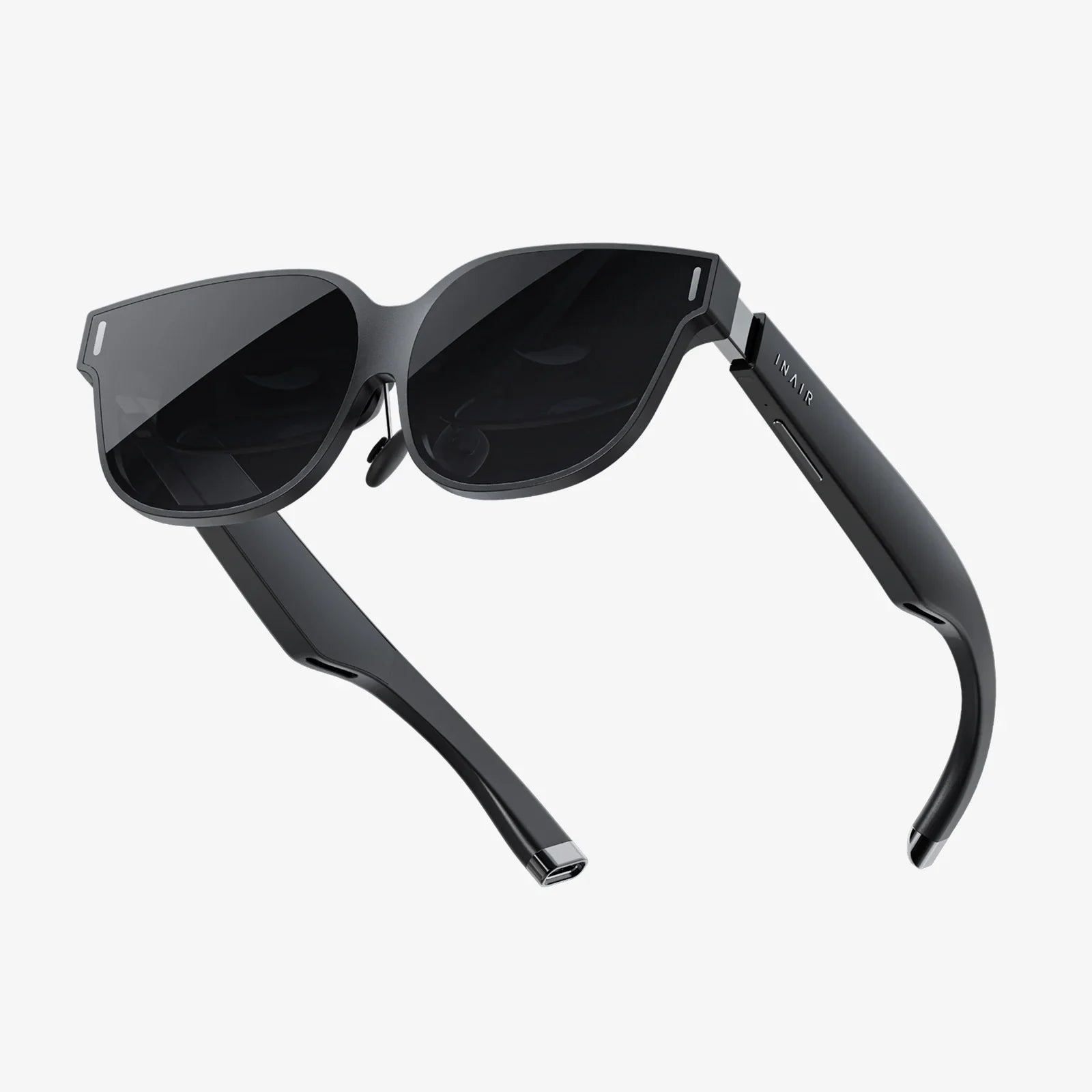
The next frontier is the integration of Virtual Reality (VR) and Augmented Reality (AR). Instead of looking at a screen, employees could don a headset and feel as if they are sitting around a conference table with lifelike avatars of their colleagues, examining a holographic prototype of a new product design. This level of immersion could make remote collaboration feel tangibly real, unlocking new possibilities for design, training, and complex problem-solving.
The Pervasive Role of Artificial Intelligence
AI will become the indispensable assistant within these workspaces. Imagine an AI that can transcribe meetings in real-time, automatically summarize key decisions and action items, and surface relevant documents and data during discussions. AI could analyze team communication patterns to identify bottlenecks, suggest optimizations for workflows, or even flag potential signs of burnout, allowing managers to intervene proactively.
Hyper-Personalization and Adaptive Interfaces
Future workspaces will adapt to individual work styles. Your digital environment could automatically configure itself based on the task at hand—presenting a focused, minimalist interface for deep work and a more open, collaborative set of tools for a team meeting. The workspace will learn from user behavior to create a truly personalized and maximally efficient experience for every employee.
The door to the physical office may still be open, but the portal to the digital headquarters is already the more exciting and transformative entrance. The collaborative virtual workspace is not about replacing human interaction, but about augmenting it; building a future where work is defined not by your coordinates, but by your contribution, your creativity, and your connection to a shared mission. The companies that embrace this new reality will be the ones that attract top talent, innovate at lightning speed, and thrive in the boundless landscape of tomorrow's economy.


Share:
2D to 3D Stereo: The Revolutionary Technology Reshaping Our Visual Reality
2D to 3D Stereo: The Revolutionary Technology Reshaping Our Visual Reality