


- by wangfred
Comfort Glass AR: The Invisible Technology Reshaping Our Digital Lives
- by wangfred
Imagine a world where information doesn't confine you to a screen but instead, enhances the very world you see. A world where digital instructions float over your real-world tasks, historical figures seem to walk through ancient ruins before your eyes, and complex data is visualized over the machinery you're repairing—all without eye strain, without disorientation, and without a heavy, unwieldy device on your face. This is the promise of augmented reality, and at the very heart of making this promise a comfortable, daily reality lies a critical innovation: Comfort Glass AR.
For decades, our primary interface with digital information has been the screen—a flat, rectangular portal we must constantly shift our attention to and from. This creates a cognitive and physical disconnect between the digital and the physical. Augmented reality seeks to shatter this barrier, projecting information directly into our field of view and anchoring it to our environment. However, the earliest iterations of this technology often came with a significant cost: user discomfort. Bulky headsets, a limited field of view, unnatural visual artifacts, and rapid eye fatigue were common complaints that hindered widespread adoption. The technology was impressive, but it wasn't humane. The breakthrough, therefore, had to be not just in software and processing power, but in the fundamental optical component that users look through: the combiner lens, often referred to as the "comfort glass."
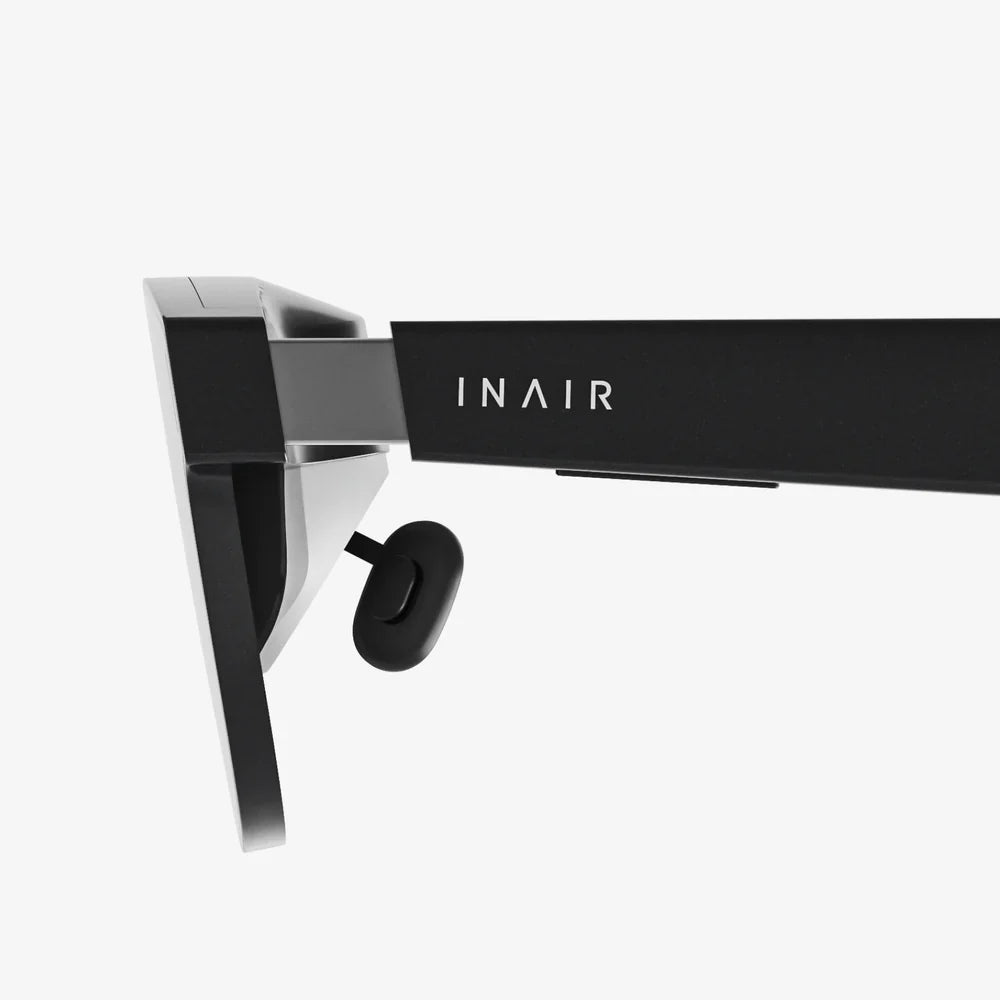
The term "Comfort Glass AR" might sound like marketing jargon, but it represents a sophisticated convergence of materials science, optical engineering, and human physiology. It is the specialized waveguide or lens system within an AR device that performs three essential functions: it transmits light from the real world, it reflects digital imagery from a micro-display into the user's eye, and it does so in a way that feels natural and effortless.
At the core of most modern Comfort Glass AR systems is waveguide technology. Think of a waveguide as a incredibly thin, transparent pane of glass or polymer etched with microscopic patterns. These patterns are precision-engineered to trap light from a tiny projector off to the side of the device and "pipe" it through the glass, bending it multiple times until it is finally directed into the user's pupil. This allows for a remarkably slim and lightweight form factor, as the bulky projection hardware can be moved away from the direct line of sight. The quality of this waveguide—its clarity, efficiency, and field of view—is paramount to the comfort experience.
True comfort is achieved through a combination of factors, each addressed by advancements in the glass itself:
The best optical system in the world is worthless if the device housing it is too heavy, poorly balanced, or gets too warm. Comfort Glass AR is part of a larger ecosystem of comfort. Device manufacturers must achieve a harmonious balance between performance and wearability. This involves using lightweight, durable materials like magnesium alloys and advanced polymers. Weight distribution is critical; a device must be balanced so that it doesn't uncomfortably press on the nose or cheeks. Furthermore, heat management is essential to prevent discomfort from internal processors, ensuring the device remains cool to the touch even during intensive tasks.
The impact of Comfort Glass AR extends far beyond consumer entertainment. By making the technology comfortable enough for prolonged use, it opens doors to transformative applications across countless fields.
On factory floors, technicians can wear AR glasses for an entire shift, with schematics, instruction manuals, and remote expert guidance overlaid directly onto the equipment they are servicing. This hands-free access to information drastically reduces errors, speeds up training, and minimizes downtime. The comfort of the glass is directly tied to productivity and safety.
Surgeons can visualize MRI data and critical stats overlaid on their patient during procedures. Medical students can learn anatomy through interactive, 3D holograms of the human body. For these high-stakes, focus-intensive applications, a comfortable, clear, and stable image is non-negotiable.
Architects and interior designers can walk through full-scale holographic models of their creations before a single foundation is poured. They can manipulate virtual objects with their hands, experiment with materials and lighting in real-time, and collaborate with clients in a shared virtual space. This requires a comfortable device that doesn't impede the creative process.
For the consumer, comfortable AR means navigation arrows painted onto the street, contextual historical information popping up as you tour a city, recipe instructions floating beside your mixing bowls, and immersive gaming characters interacting with your physical environment. It makes technology an intuitive extension of self, not a distracting intermediary.
The journey of Comfort Glass AR is far from over. The frontier of research involves developing even thinner, more efficient materials like holographic polymer films and metasurfaces—engineered surfaces that can manipulate light in revolutionary ways. These advancements could lead to AR glasses that are virtually indistinguishable from standard eyewear. Furthermore, the integration of eye-tracking will enable features like dynamic depth of field, where digital objects naturally blur based on what you're looking at, and foveated rendering, which concentrates processing power only where the eye is focused, saving battery life and increasing performance. The ultimate goal is a device that disappears—both physically from your face and perceptually from your consciousness.
As this technology becomes more pervasive, questions of privacy, data security, and digital addiction must be addressed head-on. The industry must establish clear ethical guidelines on data collection through these devices. Furthermore, the production of these advanced optical components must prioritize sustainability, using recyclable materials and energy-efficient manufacturing processes to ensure the future we're building is not only smarter but also responsible.
The true magic of Comfort Glass AR will be realized when the technology itself fades into the background, leaving only the wonder of an enhanced reality. It’s the final hurdle between a compelling tech demo and a tool that fundamentally rewires how we work, learn, play, and connect. This isn’t just about building a better lens; it’s about building a better bridge between humanity and the digital universe, and that journey is just beginning.
Share:
Best AR Glasses to Buy 2025: The Ultimate Guide to the Next Digital Frontier
best ar glasses for sale and How to Choose the Right Pair