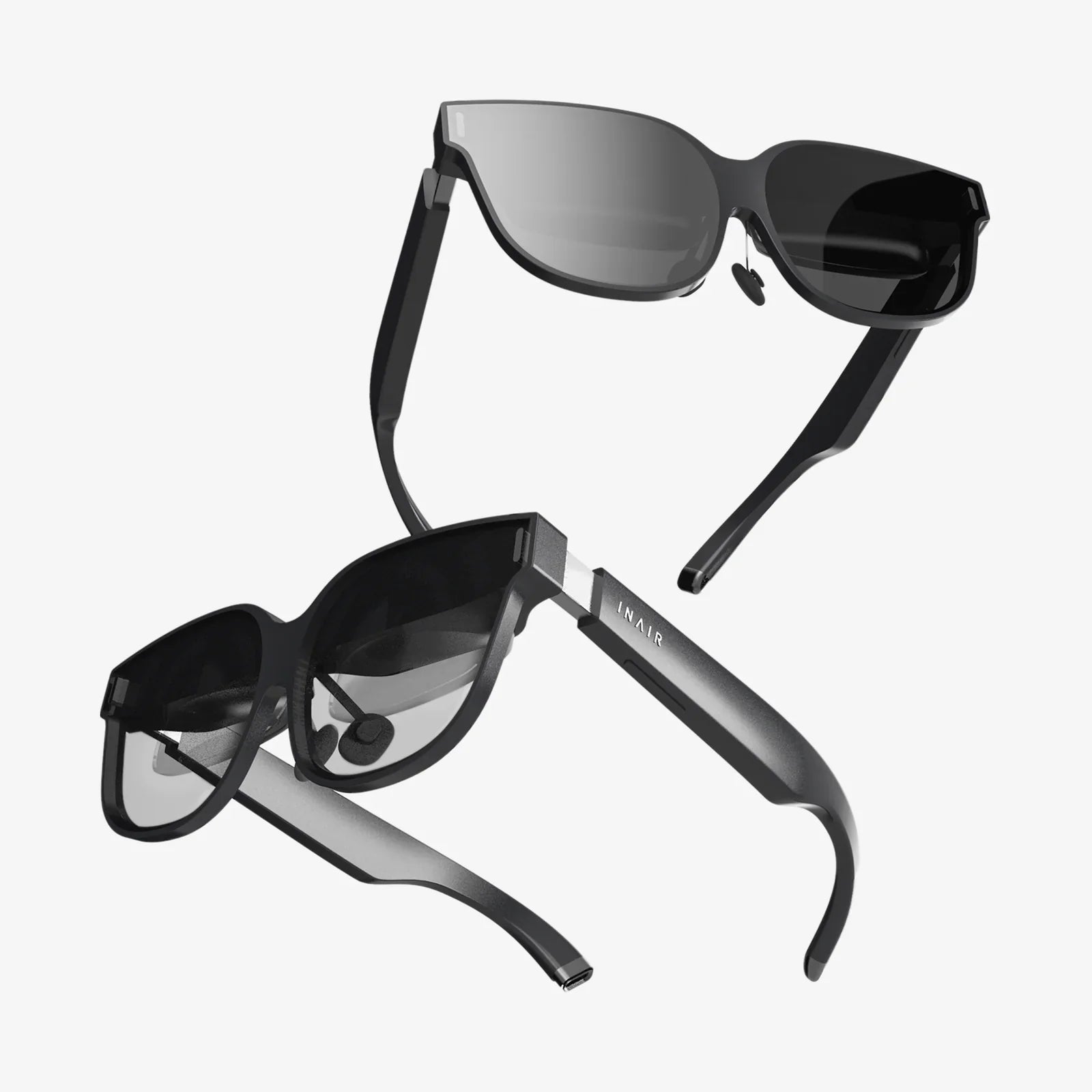
Imagine a world where the digital and physical realms are not just connected but seamlessly intertwined, where information is not confined to a screen but overlaid onto your immediate environment, and where intelligent systems understand and respond to the space around you in real-time. This is no longer the realm of science fiction; it is the emerging reality being built by a new wave of technology pioneers. The most forward-thinking companies delivering spatial platforms with AI and AR capabilities are not just creating new tools; they are architecting the next layer of human experience, fundamentally altering how we work, learn, and interact with the world.
The Confluence of Giants: Understanding the Core Technologies
To grasp the monumental shift these platforms represent, one must first understand the powerful synergy between their core components. Augmented Reality provides the visual and interactive bridge between the digital and the physical. By using devices—from smartphones to sophisticated smart glasses—AR superimposes computer-generated imagery, data, and 3D models onto the user's view of the real world. This creates an enhanced, or "augmented," version of reality.
Artificial Intelligence acts as the brain behind the eyes. AI, particularly machine learning and computer vision, empowers these platforms to understand the environment. It can identify objects, interpret spatial relationships, track movements, and even predict user intent. While AR presents the information, AI is responsible for deciding what information to present, when to present it, and how it should adapt to a dynamic physical context.
A spatial platform is the foundational infrastructure that brings these two technologies together into a cohesive, scalable, and usable system. It's the operating system for this merged reality, providing the necessary tools for development, data management, user interaction, and cross-device functionality. Without a robust platform, AR and AI would remain isolated novelties rather than integrated solutions.
Beyond the Gimmick: The Industrial Metaverse and Digital Twins
The most profound impact of these spatial platforms is being felt not in consumer entertainment but in heavy industry, manufacturing, and logistics. Here, the concept of the "industrial metaverse" is taking root, powered by the creation of ultra-high-fidelity digital twins.
A digital twin is a dynamic, virtual replica of a physical asset, process, or system. Spatial platforms elevate this concept by making the twin immersive and interactive. An engineer wearing AR glasses can walk onto a factory floor and see a real-time overlay of machine performance data, thermal signatures, and maintenance alerts hovering directly over each piece of equipment. This is made possible by AI algorithms that continuously stream and analyze IoT sensor data, translating it into visual AR annotations.
Consider the applications:
-
Design and Prototyping: Engineers from across the globe can collaborate within a full-scale, 1:1 virtual model of a new jet engine or automobile chassis. They can manipulate parts with gesture controls, run simulations to test stress points, and identify design flaws long before physical prototyping begins, saving millions in development costs.
-
Complex Assembly and Maintenance: Technicians performing a complex repair are guided by AR work instructions that automatically recognize the components they are looking at. The AI-powered system highlights the exact bolt to turn, displays the correct torque specification, and shows an animated visualization of the next steps, drastically reducing errors and training time.
-
Logistics and Warehousing: In vast distribution centers, AI-optimized pick paths are projected onto the floor through AR glasses, guiding workers along the most efficient route. The system can highlight the exact shelf and item to be picked, verify its identity using computer vision, and update inventory in real-time, supercharging efficiency and accuracy.
Revolutionizing Human Expertise and Remote Collaboration
One of the most immediate benefits of these platforms is their ability to democratize expertise and dissolve geographical barriers. The phrase "see what I see" takes on a new meaning with AR-powered remote assistance.
A field technician troubleshooting a malfunctioning wind turbine can stream their live point-of-view to a senior expert located thousands of miles away. The expert can then draw annotations—arrows, circles, notes—directly into the technician's AR field of view, literally guiding their hands. The AI can assist by automatically identifying tools and parts within the video stream, pulling up relevant manuals, and highlighting areas of interest based on the problem description.
This application has transformative potential across sectors:
-
Healthcare: A surgeon could receive real-time guidance during a novel procedure, with vital statistics and 3D anatomical models overlayed onto their patient. Medical students could practice surgeries on virtual patients, and AI could flag potential risks by analyzing real-time patient data against vast medical databases.
-
Education and Training: Instead of reading about ancient Rome, students can walk through a digitally reconstructed Forum Romanum on their tablets. Mechanics-in-training can practice disassembling a virtual transmission that responds to their actions, with AI evaluating their technique and providing feedback.
-
Retail and Real Estate: Customers can use their smartphones to see how a new sofa would look and fit in their living room, with AI recommending matching items. Potential homebuyers can take virtual tours of properties, but with the ability to change finishes, move walls, and see the space at different times of day through AR enhancements.
The Architectural Shift: Cloud-Based and Edge-Enabled
The computational demands of simultaneously running advanced AI models and rendering complex AR graphics are immense. This is why the leading spatial platforms are inherently cloud-native. They leverage vast cloud computing resources to perform the heavy lifting—training AI models, storing immense 3D asset libraries, and running complex simulations.
The processed information is then streamed to edge devices—the AR glasses, helmets, or phones—in a lightweight, usable format. This architecture ensures that the end-user device does not require prohibitively expensive processing power and battery life. Furthermore, it enables a continuous feedback loop: data collected from millions of user interactions and sensors in the field is fed back into the cloud AI models, making them smarter and more accurate with each use. This creates a powerful network effect where the platform becomes more valuable as its adoption grows.
Navigating the New Frontier: Data, Privacy, and Ethical Considerations
The power of spatial platforms is inextricably linked to data—enormous amounts of it. To understand a user's environment, the platform must continuously capture and process video, spatial mapping data, and user behavior. This raises critical questions about privacy and security.
Who owns the spatial data of a factory floor once it's mapped? Could a detailed layout of a corporate headquarters or a private home be considered a security risk if intercepted? How is biometric data, like eye-tracking and gesture patterns, being used and stored? The companies building these platforms are grappling with these questions, developing new paradigms for spatial data ethics. This includes implementing on-device processing where possible, establishing clear data anonymization protocols, and giving users and organizations granular control over what is captured and shared.
There is also the risk of digital overload and reality blurring. As our visual field becomes crowded with notifications and information, the ability to focus on the physical world and be present may be challenged. Establishing design principles for humane and non-intrusive AR interfaces is a crucial challenge for the industry.
The Future is Spatial: A World Transformed
The trajectory is clear: the interface of the future is not a smaller screen or a new app icon; it is the world itself. As the underlying technologies mature—with AI becoming more contextual and AR hardware becoming smaller, more powerful, and socially acceptable—spatial platforms will become as ubiquitous as mobile operating systems are today.
We are moving towards a future where:
- City planners will visualize urban development projects at full scale in the real location, using AI to simulate traffic and environmental impact.
- Your navigation system won't just tell you to "turn left in 500 feet"; it will paint a glowing path on the road ahead and highlight the specific building entrance you're looking for.
- Doctors will use AI-driven spatial analytics to make more accurate diagnoses by visualizing complex medical data in relation to the patient's body.
The journey is just beginning, but the destination is a world deeply enhanced by intelligence and context. The companies at the forefront of this revolution are not merely selling software; they are building the foundational layer for the next era of computing—one that promises to unlock human potential in ways we are only starting to imagine. The line between what's real and what's digital is fading, and in its place, a more intelligent, efficient, and astonishingly connected world is coming into view.