


- by wangfred
computer glasses to wear over prescription glasses for digital eye comfort
- by wangfred
If you spend hours staring at screens and already rely on prescription lenses, computer glasses to wear over prescription glasses might be the upgrade you never realized you needed. Imagine cutting down headaches, eye strain, and that gritty, dry-eye feeling without changing your existing prescription frames or paying for complicated custom lenses. That is exactly what these over-glasses are designed to do: slip over your current glasses and instantly turn them into a more screen-friendly setup.
More people than ever are working, learning, and relaxing in front of digital devices. Yet many of them still try to power through discomfort, assuming that tired eyes and blurry vision are just part of modern life. They are not. With the right pair of computer glasses to wear over prescription glasses, you can keep your current eyewear, improve your visual comfort, and protect your eyes from long-term digital stress, all without a visit to the optometrist for specialized lenses.
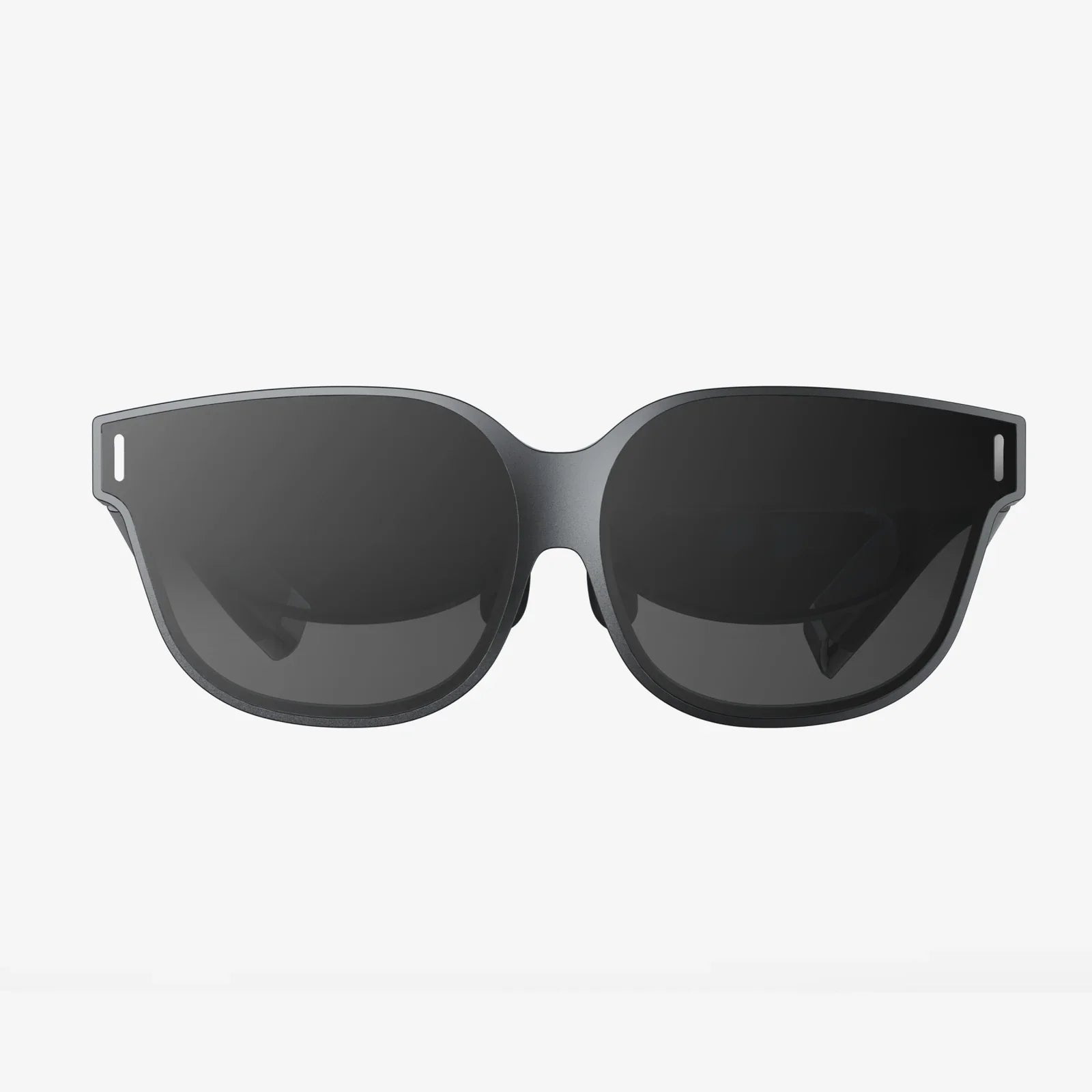
Computer glasses to wear over prescription glasses are specially designed lenses and frames that fit over your everyday prescription eyeglasses. Instead of replacing your current pair, they add a protective and comfort-enhancing layer on top.
These over-glasses typically include:
Instead of ordering prescription computer lenses, which can be expensive and slow to arrive, you use a single over-glass solution that works with multiple pairs of prescription glasses. This functionality makes them especially attractive for people who rotate between different prescription frames or who prefer not to commit to a single specialized pair.
Before exploring the details of computer glasses to wear over prescription glasses, it helps to understand why these products exist in the first place. Digital eye strain, sometimes called computer vision syndrome, is a collection of symptoms triggered by prolonged screen use.
Common symptoms include:
These issues often arise from a combination of factors:
For people who already wear prescription glasses, the problem can be even worse. Standard lenses are rarely optimized for screen distance or digital glare, and layering uncoated lenses in front of a bright display can amplify reflections and discomfort. This is where computer glasses to wear over prescription glasses become particularly useful.
These over-glasses tackle digital eye strain in three main ways: managing blue light, controlling glare, and optimizing visual comfort.
Digital devices emit a significant amount of blue light, especially in the range associated with visual fatigue and potential sleep disruption. Computer glasses to wear over prescription glasses typically use specialized coatings or lens materials to selectively filter portions of this spectrum.
Key points about blue light filtering:
Because the over-glasses sit in front of your prescription lenses, they add this blue light protection without altering your prescription or requiring a special lens order.
Glare is one of the most underestimated causes of eye strain. Light from your monitor, windows, and overhead fixtures can bounce off both the front and back surfaces of your prescription lenses, creating visual noise and reducing contrast.
Computer glasses to wear over prescription glasses usually incorporate anti-reflective coatings and lens shapes that:
By taming glare, your eyes do not have to work as hard to maintain focus and clarity, especially during long sessions.
Many computer glasses to wear over prescription glasses use subtle tints to enhance contrast. This can make on-screen text easier to read and reduce the harshness of bright backgrounds.
Common tint approaches include:
The result is a more relaxed viewing experience that supports longer, more productive screen time with fewer breaks due to discomfort.
While almost anyone who wears prescription glasses and uses screens could benefit, some groups stand out as especially likely to see a difference.
If you spend most of your workday in front of a computer, small improvements in comfort add up quickly. Computer glasses to wear over prescription glasses can reduce afternoon fatigue, make fine text easier to read, and help you maintain focus without constantly adjusting your posture or leaning closer to the screen.
Online classes, digital textbooks, and research all involve intense screen use. Over-glasses can help students manage long study sessions with fewer headaches and less eye irritation, especially during exam periods when screen time spikes.
Gamers, video editors, graphic designers, and streamers often spend hours immersed in visually demanding content. Computer glasses to wear over prescription glasses can enhance contrast, reduce glare from multiple monitors, and support extended sessions without sacrificing visual clarity.
Those who experience migraines, photophobia, or general light sensitivity may find that blue light filtering and tinting provide noticeable relief. Wearing these over existing prescription glasses allows for targeted protection during high-exposure times, like working under bright office lighting or using large displays.
If you switch between distance glasses, reading glasses, or progressive lenses, buying separate computer-specific prescriptions for each pair can be expensive and impractical. Computer glasses to wear over prescription glasses offer a flexible alternative: one over-glass solution that works with whichever pair you need at the moment.
Not all computer glasses to wear over prescription glasses are created equal. Paying attention to a few critical features will help you find a pair that genuinely improves your daily comfort.
The most important factor is whether the over-glasses actually fit comfortably over your current prescription frames.
Consider:
Look for computer glasses to wear over prescription glasses that provide dimensions or size ranges. Oversized designs are common, but they should not be so large that they slip or feel unstable.
You will be wearing two pairs of frames at once, so comfort is crucial. Lightweight materials and well-designed arms can make a big difference.
Focus on:
Trying them for at least 20–30 minutes is a good test; what feels fine for five minutes may become irritating over a full work session.
Different users have different needs when it comes to blue light filtering and tint strength.
Think about:
A high-quality anti-reflective coating is essential for reducing glare and halos around lights.
Look for computer glasses to wear over prescription glasses that claim:
Clearer lenses with fewer reflections will make your screen appear sharper and less washed out.
One advantage of over-glasses is that they can provide more coverage than regular frames. This helps block stray light from overhead fixtures, windows, and side sources.
Consider models that:
This extra coverage improves comfort and reduces distractions, especially in bright or open work environments.
To get the most from your over-glasses, it is not enough to simply put them on; how and when you use them matters.
Computer glasses to wear over prescription glasses are optimized for digital viewing. Use them primarily when:
You can remove them when you step away from screens to avoid unnecessary tinting in other environments.
Even the best computer glasses to wear over prescription glasses work best when paired with smart habits.
Adopt strategies such as:
These habits, combined with over-glasses, can dramatically improve comfort during long digital sessions.
Two layers of lenses mean two opportunities for smudges and dust. Dirty lenses can cause extra strain as your eyes try to see through streaks and haze.
To maintain clarity:
Clear lenses enhance the benefits of anti-glare coatings and blue light filtering.
Computer glasses to wear over prescription glasses are more effective when your screen is properly calibrated.
Fine-tune your display by:
These adjustments work hand-in-hand with the optical benefits of your over-glasses to create a more eye-friendly environment.
Like any solution, over-glasses come with advantages and trade-offs. Understanding both sides will help you decide if they are right for you.
For many users, the comfort and visual benefits outweigh these drawbacks, especially during work hours or intense screen use. However, it is worth considering your priorities and trying a pair to see how they feel in real-world conditions.
Computer glasses to wear over prescription glasses are just one of several strategies for tackling digital eye strain. Understanding how they compare to other options can clarify whether they are the best fit for you.
Prescription computer glasses are custom-made lenses optimized for screen distance and often include blue light filtering and anti-glare coatings. They can be extremely effective but come with higher cost and less flexibility.
Compared to prescription computer lenses, over-glasses offer:
However, dedicated prescription computer glasses can be sleeker and more comfortable for all-day wear, especially if you prefer not to layer frames.
Clip-on filters attach directly to your prescription frames. They are slimmer than over-glasses but may not fit all frame shapes and can be less stable.
Over-glasses typically provide:
Many devices now include software-based blue light reduction modes that shift screen colors toward warmer tones. These are helpful but do not address glare or environmental lighting.
Computer glasses to wear over prescription glasses complement software filters by:
Using both together often yields the best results for sensitive users.
When you are ready to explore options, a structured approach can save time and frustration.
Use a ruler or measuring tape to note:
Compare these measurements with the listed dimensions of the computer glasses to wear over prescription glasses you are considering. Ensure there is enough space for your frames to fit comfortably underneath.
While all three matter, knowing your top priority helps narrow choices.
Because fit and comfort are difficult to judge from descriptions alone, a good return or trial policy is valuable. It allows you to test whether computer glasses to wear over prescription glasses truly work with your prescription frames and daily routine.
While individual experiences vary, pay attention to recurring comments about:
Patterns in feedback can reveal strengths and weaknesses that specifications alone do not show.
Computer glasses to wear over prescription glasses are a powerful tool, but they are only one part of a broader strategy for protecting your vision in a screen-heavy lifestyle.
For long-term eye health, consider the following habits:
When combined with well-chosen computer glasses to wear over prescription glasses, these habits can help preserve comfort and clarity for years to come.
With more people working remotely, streaming content, learning online, and socializing through screens, digital eye strain is no longer a niche issue. It is a daily reality for millions. If you already wear prescription lenses, you are in a unique position: you need your glasses to see clearly, but you also need extra protection from digital stress.
Computer glasses to wear over prescription glasses offer a practical, low-risk way to experiment with eye comfort. You do not have to replace your favorite frames or invest in multiple prescription pairs. Instead, you add a versatile accessory that can transform how your eyes feel at the end of the day.
If you are tired of squinting at your monitor, rubbing your eyes between meetings, or feeling drained after long digital sessions, this simple change could make a noticeable difference. The right pair of computer glasses to wear over prescription glasses can turn your existing eyewear into a powerful ally against modern screen fatigue, helping you work, play, and create with clearer, more comfortable vision.
Share:
wolford sheer touch control shorts Styling, Shaping, and Comfort Guide
Touch Control Module Fundamentals, Design, and Application Guide