


Imagine a world where your mere thought is the command, and the digital realm responds not as a separate entity, but as a seamless extension of your own will. This is the breathtaking horizon of the computer human interface, a field that has evolved from cryptic, punch-card conversations to the verge of telepathic collaboration, forever altering the very fabric of human capability and society.
The Dawn of a Dialogue: From Batch Processing to Interactive Beginnings
The story of the computer human interface begins not with ease, but with esoteric complexity. In the earliest days of computing, the 'interface' was a one-way street, heavily skewed towards the machine's needs. Programmers communicated through physical media—punch cards and paper tape—a process known as batch processing. This was less a conversation and more like sending a carefully crafted letter into a void, waiting hours or days for a potential response, often in the form of a cryptic error code. The human had to adapt entirely to the machine's language, a realm of absolute precision where a single misplaced character could derail an entire operation.
The first true revolution arrived with the advent of the command-line interface. This text-based paradigm, while still requiring the user to learn a specific vocabulary and syntax, introduced a form of turn-taking. A user could type a command, and the machine would (ideally) execute it and provide a text-based response. This was the genesis of true interaction. It empowered users with unprecedented control and flexibility, laying the groundwork for system administration and software development practices that persist today. However, it remained a significant barrier, demanding technical literacy and memorization that confined computing to a specialized priesthood.
The Graphical Leap: A Visual Language for the Masses
The next seismic shift, arguably the most significant in the history of the computer human interface, was the move from text to graphics. The development of the graphical user interface, or GUI, fundamentally redefined who could use a computer. Instead of memorizing commands, users were presented with a visual desktop metaphor—files, folders, and trash cans. Interaction moved from typing to pointing and clicking with a device like a mouse.
This transition was profound. It replaced a syntax-heavy language with a more intuitive, visual one. The GUI leveraged our innate ability to recognize patterns and manipulate objects in space. Suddenly, computing was not about writing commands but about direct manipulation. This democratization of technology opened the floodgates, moving computers out of research labs and corporate back offices and onto the desks, and eventually into the laps and palms, of billions. The interface was no longer just a tool; it became a gateway, and its accessibility became the primary driver of the digital revolution.
The Touch and Voice Revolution: Intuitive and Ubiquitous Interaction
If the GUI made computing accessible, the rise of multi-touch and voice interfaces made it intimate and ubiquitous. The launch of a certain smartphone in 2007 was a cultural watershed moment, but it was the culmination of decades of research into capacitive touchscreens and gesture recognition. This interface paradigm did away with the intermediary mouse altogether. Users could now manipulate digital objects directly with their fingers—pinching, swiping, and tapping—creating a more immediate and tactile connection with the device.
Simultaneously, voice user interfaces, powered by staggering advances in natural language processing and machine learning, began to mature. From simple command-based systems, they evolved into conversational agents capable of understanding context and intent. Talking to a machine moved from science fiction to daily routine for asking questions, setting reminders, and controlling smart home devices. This marked a return to a more natural form of human communication—speech—effectively making the entire world a potential interface. These technologies began to dissolve the interface further, embedding computing into the very environment around us, from our cars to our kitchen speakers.
Core Principles of Effective Interface Design
Regardless of the modality, effective computer human interfaces are built on a foundation of core principles that prioritize the human user:
- Affordance: The design of an object suggests its function (a button looks pressable).
- Feedback: The system provides clear and immediate response to user actions (a highlight, a sound, an animation).
- Consistency: Similar actions should produce similar results across the system, reducing the user's cognitive load.
- Forgiveness: The interface should allow for reversible actions and prevent catastrophic errors.
- Accessibility: Designing for users with a wide range of abilities, ensuring technology is inclusive by default.
The Invisible Interface: Context, Wearables, and Ambient Computing
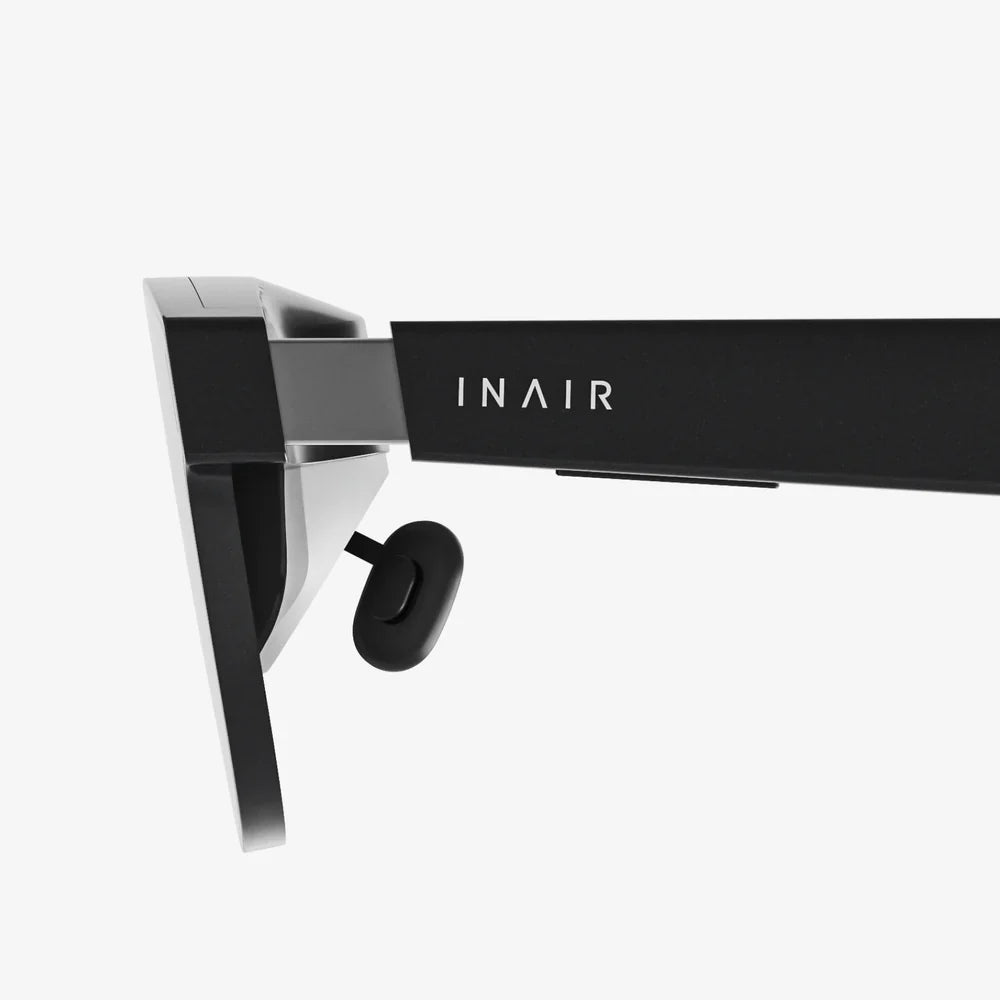
The current frontier of the computer human interface is its gradual disappearance. We are moving towards an era of ambient computing, where the interface is not a single device but a seamless, contextual layer woven into our environment. Wearables like smartwatches and smart glasses provide glanceable information and haptic feedback, minimizing interaction time. They act as subtle intermediaries, filtering the digital world and presenting only what is contextually relevant.
In this model, the interface is predictive. It leverages sensors, data, and artificial intelligence to anticipate user needs before an explicit command is given. Your phone might suggest leaving for an appointment early based on real-time traffic data. Your home might adjust the thermostat and lighting based on your routine and preferences. The interaction becomes a continuous, low-friction dialogue where the computer's role is increasingly proactive. The goal is no longer to create a better screen, but to create no screen at all—to have the technology understand and serve us so well that the interface fades into the background.
The Future Interface: Brain, Body, and Beyond
Looking further ahead, the next paradigm shift is poised to be the most radical yet: bypassing physical manipulation and speech altogether. Brain-computer interfaces are moving from medical applications, where they help paralyzed individuals communicate, to early consumer and commercial prototypes. The concept is to read neural signals directly, translating thought into action. This could enable control of software, devices, or even prosthetics through pure intention.
This path is fraught with both immense promise and profound ethical questions. It promises the ultimate seamless interface—a direct connection between the human mind and the digital world. But it also raises critical concerns about privacy, agency, and the very nature of human thought. Where does 'I' end and the 'interface' begin if it can read my intentions? Furthermore, advancements in haptic technology aim to create more realistic tactile feedback for virtual objects, and computer vision is enabling interfaces that understand our gestures and even our emotional state through facial expression analysis. The future interface will be multi-modal, context-aware, and deeply integrated with our biology.
The Human in the Loop: An Enduring Partnership
Despite the relentless march towards automation and intelligence, the most effective systems will likely remain those that keep the human firmly in the loop. The goal of the computer human interface is not to replace the human but to augment our capabilities. This is the concept of human-centered AI, where the machine handles pattern recognition, data processing, and repetitive tasks at superhuman speed, while the human provides strategic oversight, creativity, ethical judgment, and common sense.
The interface becomes the crucial conduit for this collaboration. It must present complex information intuitively, provide explainable insights into the AI's reasoning, and always ensure the human has ultimate authority and control. This symbiotic relationship, facilitated by a sophisticated and transparent interface, will define the next chapter of human productivity and problem-solving.
From clunky punch cards to the whisper of a voice command and the silent intention of a thought, the journey of the computer human interface is the story of technology striving to understand us, rather than us struggling to understand it. This relentless pursuit of a more natural, intuitive, and powerful dialogue is not just about building better gadgets; it is about expanding the horizon of human experience itself, forging a future where our tools truly become partners in shaping a better world.
Share:
XR Software: The Ultimate Guide to the Invisible Engine Powering Our Digital Future
Are Holograms Possible? The Science, Fiction, and Future of 3D Light