


- by wangfred
Computer Vision AI Examples: How Machines Are Learning to See and Transform Our World
- by wangfred
Imagine a world where cars navigate bustling city streets without a human hand on the wheel, where doctors can detect life-threatening diseases from a simple scan with superhuman accuracy, and where your smartphone can instantly identify any plant, landmark, or product you point it at. This isn't science fiction; it's the tangible reality being built today by computer vision AI, a technology that is fundamentally altering the fabric of our daily existence. The ability for machines to not just process pixels, but to truly understand and interpret visual data is unlocking possibilities that were once confined to the realm of fantasy.
Before diving into the myriad of applications, it's crucial to understand the engine behind this revolution. At its heart, computer vision is a field of artificial intelligence that trains computers to interpret and make decisions based on the visual world. Using vast datasets of digital images and videos, sophisticated algorithms, primarily deep learning and convolutional neural networks (CNNs), learn to recognize patterns, shapes, and features.
Think of it like teaching a child to recognize a cat. You show them hundreds of pictures of different cats—big, small, black, white, sleeping, playing. Eventually, their brain builds a model of "cat-ness." Computer vision AI does the same, but on a monumental scale. It analyzes millions of images, learning to detect edges, textures, and eventually complex objects and scenes. This process allows it to perform tasks like:
The retail sector has been one of the earliest and most enthusiastic adopters of computer vision, creating seamless experiences that bridge the physical and digital worlds.
Perhaps the most famous example is the concept of the cashier-less store. Customers simply walk in, grab the items they need, and walk out. Their account is automatically charged as they leave. This magic is powered by a complex array of ceiling-mounted cameras and shelf sensors. The computer vision system tracks each individual, follows the items they pick up, and even recognizes if they place an item back on the wrong shelf. It creates a frictionless shopping experience that eliminates checkout lines entirely.
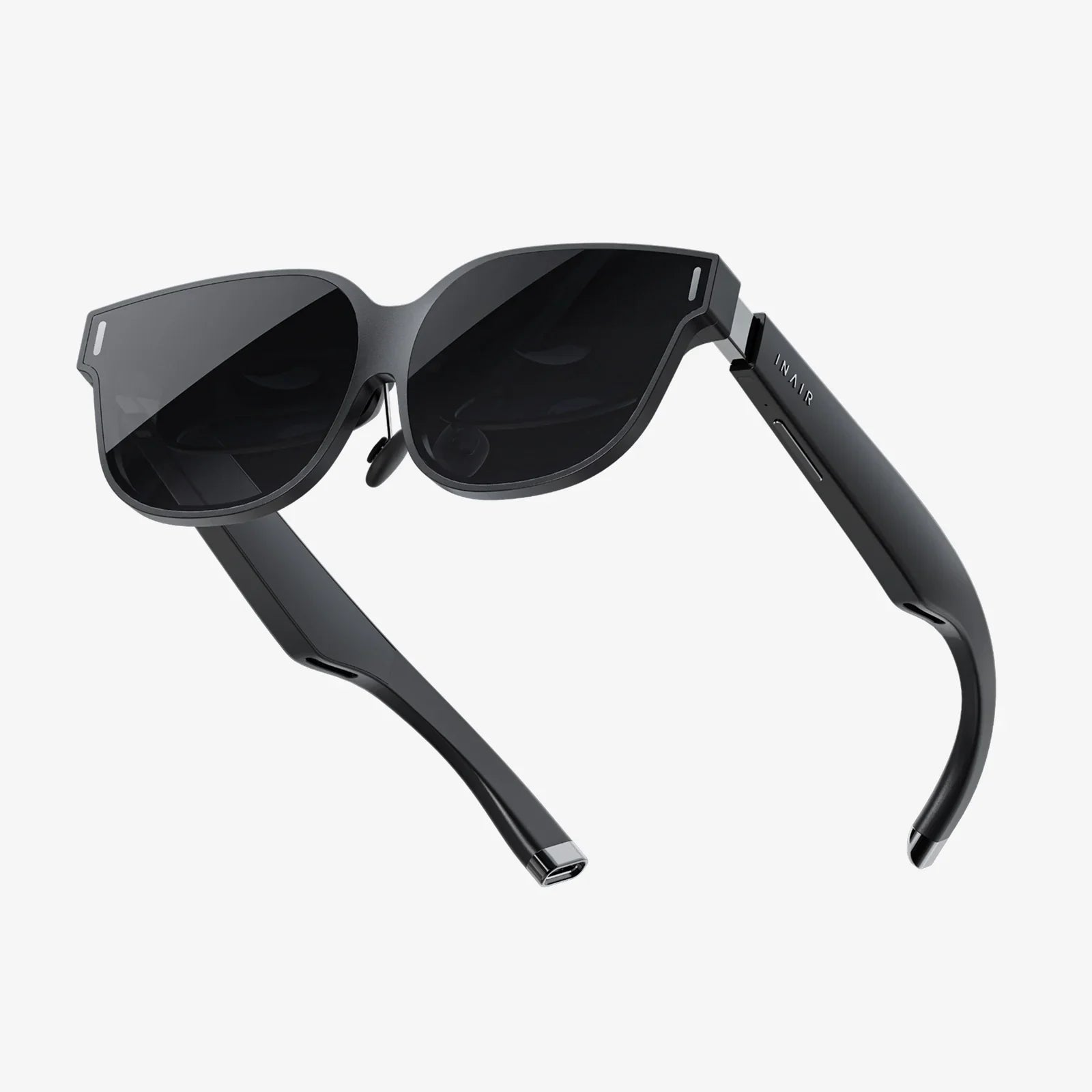
Online shopping for apparel, eyewear, and cosmetics has long been hampered by the inability to try before you buy. Computer vision has smashed this barrier. Sophisticated algorithms now allow users to virtually try on clothes, see how a new pair of glasses frames their face, or test a shade of lipstick—all in real-time through their smartphone camera. This is achieved through precise facial landmark detection and image overlay techniques, dramatically reducing return rates and increasing consumer confidence.
On the backend, computer vision systems monitor shelves in real-time, automatically alerting staff when items are running low or are misplaced. This ensures optimal stock levels and a tidy shopping environment. Furthermore, these systems analyze customer movement patterns within stores, providing invaluable data on popular pathways and dwell times, which helps retailers optimize store layouts for maximum engagement and sales.
In the high-stakes world of healthcare, computer vision is moving from a novel tool to a critical component of modern medicine, augmenting the capabilities of medical professionals and saving lives.
This is one of the most impactful applications. AI models are now outperforming humans in detecting certain conditions from medical scans. For instance:
During complex surgeries, computer vision can provide real-time guidance. It can overlay critical information—such as the location of major blood vessels or tumors—directly onto the surgeon's field of view. Some systems can also track surgical instruments, monitor blood loss, and ensure procedures are followed correctly, enhancing precision and improving patient outcomes.
In hospitals and nursing homes, vision systems can monitor patients for falls without the need for wearable devices, preserving dignity while ensuring safety. They can also analyze gait and movement to predict the risk of falls or track the progression of neurological diseases like Parkinson's.
The dream of self-driving cars is entirely dependent on computer vision. These vehicles are essentially robots on wheels, and their eyes are a suite of cameras, LiDAR, and radar sensors.
The AI's primary job is to perceive and understand this incredibly complex and dynamic environment in real-time. It must perform a continuous loop of:
This application demonstrates computer vision at its most challenging, requiring near-perfect reliability to ensure public safety on a massive scale.
The factory floor has been automated for decades, but computer vision adds a layer of intelligence and flexibility that was previously impossible.
Vision systems stationed on production lines can inspect products for defects at speeds and levels of accuracy far beyond human capability. They can spot microscopic cracks in electronics, check for correct color and assembly on packaging, and ensure every bottle on a filling line is filled to the correct level. This not only improves product quality but also reduces waste and costly recalls.
Traditional industrial robots perform repetitive tasks in highly controlled environments. With computer vision, they gain adaptability. A robot arm equipped with a camera can identify a part that is randomly placed in a bin (a task known as "bin picking"), determine its orientation, and correctly grasp it for assembly. This allows for much more flexible and efficient automation.
Cameras can be used to monitor equipment for signs of wear and tear, such as corrosion, leaks, or misalignment, before they lead to a catastrophic failure. This shift from scheduled maintenance to predictive maintenance saves immense amounts of time and money.
The reach of computer vision extends to the security of our cities and the sustainability of our food supply.
Beyond simple motion detection, modern security systems use AI to analyze video feeds for specific activities. They can detect unattended bags in airports, identify individuals on a watchlist, or alert security to potential altercations in real-time. While this raises important privacy concerns, its potential for preventing crime and enhancing public safety is significant.
Farmers are using drones equipped with multispectral cameras to fly over fields. The computer vision AI analyzes this footage to assess crop health, identify areas affected by disease or pests, and monitor irrigation levels. This allows for highly targeted intervention—applying water, fertilizer, or pesticide only where it's needed—boosting yields while promoting environmental sustainability.
The influence of computer vision isn't limited to industrial and commercial applications; it's also empowering individuals and enhancing accessibility.
Social media platforms and online communities rely on AI to automatically scan millions of uploaded images and videos daily to flag and remove content that violates policies, such as graphic violence, hate speech, or nudity. This helps protect users and maintain safe online environments, though the technology is not without its challenges in context understanding.
For the visually impaired, computer vision is a life-changing technology. Smartphone apps can now use the camera to read text aloud from a menu or document, describe a scene ("there is a person smiling and holding a dog"), identify currency denominations, and even detect colors. These tools provide a new level of independence and access to information.
The automatic tagging and organization of your photo library, the magical "erase photobomber" tool, the uncanny ability to restore old and damaged photographs, and the creation of deepfakes—all are powered by advanced computer vision models that understand the content of images at a deep level.
From the operating room to the farm field, from the factory floor to the palm of your hand, computer vision AI examples are no longer futuristic concepts but present-day realities driving a paradigm shift in efficiency, safety, and capability. The visual world is the next great frontier for data, and as algorithms grow more sophisticated and computing power more accessible, we are only scratching the surface of what becomes possible when we truly teach machines to see. The question is no longer if computer vision will change an industry, but how quickly and profoundly it will do so.
Share:
Small Portable Computer Screen The Ultimate Guide to On-the-Go Productivity
Affordable AI Tools: The Ultimate Guide to Boosting Productivity Without Breaking the Bank