


Imagine a world where your shirt analyzes your stress levels, your ring tracks your nutritional deficiencies, and your glasses translate a foreign street sign in real-time—this is no longer science fiction, but the palpable future being woven into reality at the Consumer Electronics Show, where wearable technology is quietly orchestrating a revolution that promises to vanish into the very fabric of our lives.
The journey of wearable technology at the Consumer Electronics Show is a tale of explosive maturation. It began with rudimentary fitness trackers—simple bands counting steps and estimating sleep. They were novel, but peripheral. Today, the show floor tells a different story. Wearables have shed their accessory status to become a central nervous system for personal data, a platform for ambient computing, and a gateway to unprecedented self-knowledge. The evolution is marked by a shift from generic metrics to highly specific, actionable health insights; from obvious gadgets to discreet, fashion-forward designs; and from standalone products to deeply integrated nodes within a vast ecosystem of connected devices.
The Expanding Universe of Form Factors
Gone are the days when wearables meant a wristband or a smartwatch. The current landscape at the Consumer Electronics Show is a testament to radical innovation in design, pushing technology into every conceivable point of contact with the human body.
- Smart Rings: Once a niche, these tiny powerhouses are now mainstream contenders. Their appeal lies in their unobtrusiveness and 24/7 wearability, making them ideal for continuous health monitoring, including sleep tracking, core body temperature measurement, and even contactless payments. They represent the ultimate goal of wearables: maximum data with minimal intrusion.
- Advanced Smartwatches: The wrist remains a prime location, but the functionality has exploded. Modern devices showcased are less about telling time and more about being a health command center on your arm. They boast medical-grade sensors for ECG, blood oxygen monitoring, and skin temperature tracking. They are evolving into independent communication hubs with cellular connectivity, freeing users from their phones.
- Smart Audio and Hearables: Earbuds have transcended their role as music playback devices. They are now intelligent hearables, featuring active noise cancellation tailored to your environment, real-time language translation, immersive spatial audio for entertainment, and integrated biometric sensors for fitness tracking. They act as a discreet auditory interface with the digital world.
- Smart Clothing and Textiles: This is perhaps the most significant frontier. Weaving sensors directly into fabrics allows for a level of physiological monitoring that rigid devices cannot match. Shirts with ECG sensors woven into the material can provide a more accurate heart reading than a watch. Socks can analyze running gait, and shorts can measure muscle exertion. This category promises a future where monitoring your health is as simple as getting dressed.
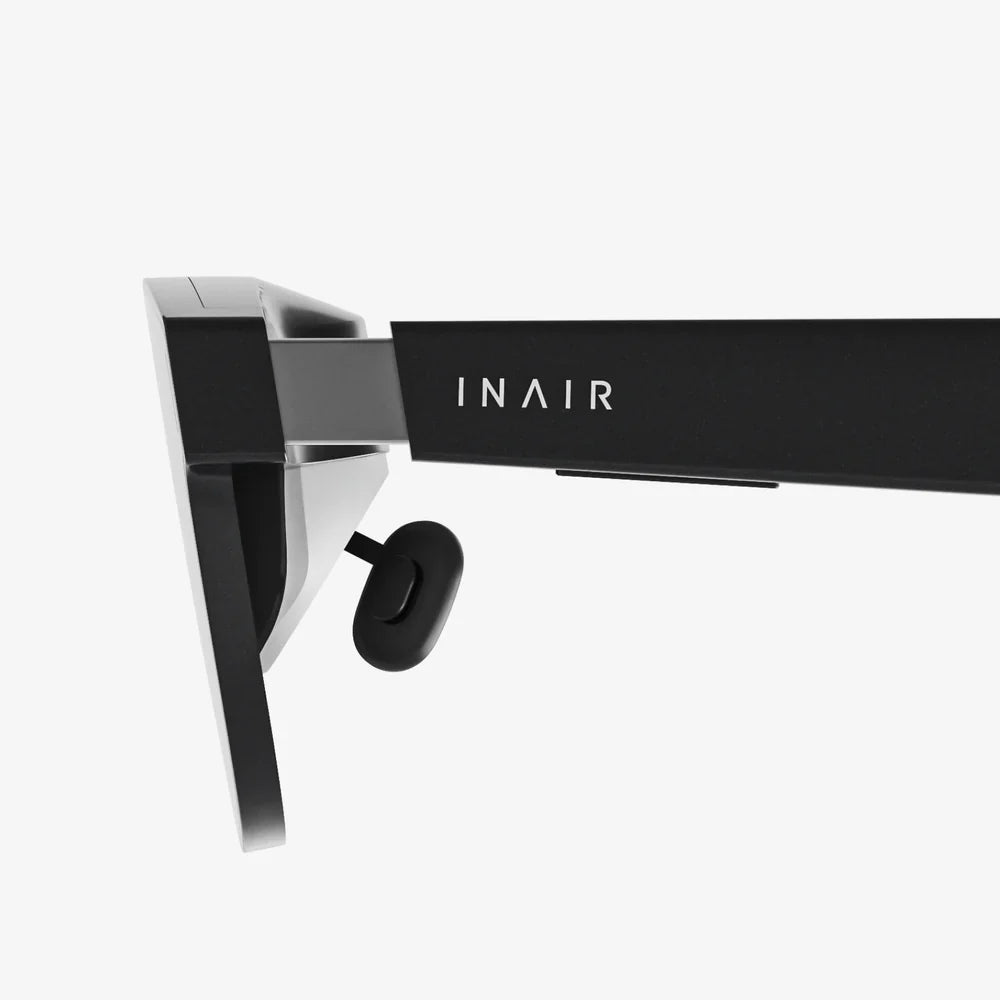
- Smart Glasses and AR Wearables: While still seeking a mass-market consumer application, the potential here is staggering. The focus has shifted from clunky prototypes to lighter, more stylish designs that overlay digital information onto the physical world. Applications range from enterprise (providing hands-free instructions to a technician) to consumer navigation and immersive gaming.
The Driving Force: Health and Biometric Monitoring
The single most powerful catalyst for wearable innovation has been the global focus on health and wellness. Wearables are democratizing healthcare, shifting the paradigm from reactive treatment to proactive prevention. The Consumer Electronics Show floor is now a preview of future clinical tools.
Devices are moving far beyond heart rate. Continuous glucose monitoring (CGM) integration is a major breakthrough, allowing non-diabetics to see how their diet affects their blood sugar levels in real-time, unlocking insights into metabolic health. Advanced sleep tracking doesn't just measure duration; it analyzes sleep stages, disturbances, and provides personalized recommendations for improvement, addressing a critical component of overall well-being.
The most exciting developments lie in predictive health. By leveraging artificial intelligence and machine learning on vast datasets of biometric information, wearables are beginning to identify patterns and anomalies that can signal potential health events. Algorithms can now analyze heart rate variability and rhythm to potentially detect conditions like atrial fibrillation (AFib) early. The future points towards devices that can warn of impending illness, stress overload, or other health risks before they become critical, truly fulfilling the promise of preventive care.
The Seamless Ecosystem: Connectivity and the AI Brain
A wearable device in isolation is a data island. Its true power is unleashed when it becomes part of a connected ecosystem. This interconnectedness is a dominant theme at the Consumer Electronics Show.
Wearables are the primary data-gathering endpoints for the Internet of Things (IoT). Your smart ring talks to your thermostat to optimize the temperature for your sleep cycle. Your fitness tracker sends your workout data to your smart fridge, which might then suggest a protein-rich smoothie. Your smartwatch can unlock your car door or start your vehicle.
Behind this seamless interaction is artificial intelligence. AI is the indispensable brain that makes sense of the torrent of raw data collected by sensors. It identifies meaningful patterns, filters out noise, and delivers personalized, contextual, and actionable insights. It’s the difference between being told you slept poorly and being told, "Based on your elevated nighttime heart rate and low HRV, your sleep quality was impacted. This correlates with your late-day caffeine intake recorded in your log. Consider avoiding coffee after 2 PM." This shift from data reporting to intelligent coaching is what transforms a gadget into an indispensable life tool.
Challenges on the Horizon
For all its promise, the wearable revolution navigates a complex web of challenges that must be addressed for widespread, sustainable adoption.
- Battery Life and Power: As sensors multiply and processors become more powerful, energy consumption remains a critical bottleneck. The holy grail is a device that you never have to consciously charge. Innovations in low-power displays, efficient chipsets, and alternative charging methods like solar, kinetic, or wireless energy are crucial. The goal is for the technology to truly fade into the background.
- Data Privacy and Security: Wearables collect the most intimate data possible: information about your body, your location, and your daily habits. This creates a treasure trove for hackers and a responsibility for companies. Robust encryption, transparent data policies that give users full control over their information, and clear regulations are non-negotiable. Consumers must trust that their biometric data is not being exploited.
- Medical Validation and Regulation: As wearables make increasingly serious health claims, the line between a wellness gadget and a medical device blurs. Regulatory bodies are scrambling to keep pace. For consumers and healthcare professionals to trust this data, especially for diagnostic purposes, rigorous clinical validation and clear regulatory frameworks are essential.
- Design and Inclusivity: The technology must be for everyone. This means creating devices in a wide range of sizes, styles, and price points. It means ensuring that interfaces are accessible to the elderly and those with disabilities. Technology that is meant to be worn must be universally appealing and functional.
The Future: The Invisible Interface
The trajectory is clear: wearables are becoming smaller, more powerful, and more integrated. The next frontier, often hinted at in concept designs at the Consumer Electronics Show, involves technology that disappears entirely.
We are moving towards epidermal electronics—ultra-thin, flexible patches that stick to the skin like a temporary tattoo, monitoring vital signs without any bulk. Brain-computer interfaces, though in early stages, promise a future where we can control devices with our thoughts, offering revolutionary solutions for individuals with disabilities. The end goal is not to wear a computer, but to have computing and sensing capabilities seamlessly and invisibly embedded into our environment and ourselves, creating a continuous, intuitive flow of information and interaction.
The chatter of the Consumer Electronics Show floor, the gleaming booths, and the spec sheets ultimately point to a silent, profound shift: wearable technology is ceasing to be something we use and is becoming something we are—an intimate extension of our bodies and minds, poised to unlock a deeper understanding of ourselves and a more responsive, personalized world around us.
This isn't just about counting your steps anymore; it's about a device on your wrist having the potential to save your life, a ring on your finger understanding your body's needs better than you do, and a world where technology doesn't demand our attention but quietly empowers our every moment—the true legacy of wearable innovation is a future where the most powerful technology is the kind you hardly even notice.
Share:
Best AI Tools for Content Creation: A Comprehensive Guide to Unlocking Your Creative Potential
Best AI Tools for Content Creation: A Comprehensive Guide to Unlocking Your Creative Potential