


- by wangfred
Consumer Electronics Show Wearables: The Dawn of a Seamless, Augmented Humanity
- by wangfred
The lights dim, a hush falls over the cavernous hall, and a sleek device glides onto the stage. It’s not just a new gadget; it’s a promise. A promise of a healthier you, a more connected you, a more productive you. This scene, repeated countless times at the annual Consumer Electronics Show, has become a modern ritual, marking the frontier of our technological evolution. And at the very heart of this spectacle, strapped to wrists, perched on noses, and woven into fabrics, are wearables. They are no longer mere accessories; they are the most intimate and potent interface between our biological selves and the digital universe, and CES is the grand stage where their future is written.
To understand the current state of wearables at CES, one must first appreciate the journey. The earliest iterations were pioneers of the "quantified self" movement. They were simple, data-obsessed companions focused on counting steps, measuring heart rates, and tracking sleep cycles. They answered the question, "What did I do?" The data was retrospective, a ledger of past activities. CES halls from a decade ago were filled with these devices, each vying for attention with brighter displays or longer battery life, but the core function remained largely the same: passive data collection.
The transformative shift, a theme dominating recent Consumer Electronics Shows, is the move from quantification to augmentation. Today's wearables are not just about recording life; they are about enhancing it. They are proactive, predictive, and deeply contextual. They leverage artificial intelligence and machine learning not just to report data, but to interpret it, offering insights and nudges before we even recognize we need them. This evolution is powered by a symphony of advanced sensors—from electrodermal activity sensors measuring stress to SPO2 sensors monitoring blood oxygen, and sophisticated accelerometers that can now distinguish between a swim stroke and a tennis serve.
While the smartwatch and fitness band remain the most recognizable wearables, CES has spectacularly demonstrated that innovation will not be confined to the wrist. The show floor has become a showcase for a new anatomy of technology.
Once a niche category, smart rings have exploded in popularity, championing a philosophy of minimalist, always-on wearability. These tiny powerhouses pack an impressive array of sensors into a form factor you can forget you're wearing. They excel at continuous health monitoring—tracking sleep with clinical precision due to their stable position on the finger, measuring core body temperature trends, and providing recovery metrics. Their appeal lies in their subtlety; they offer deep health insights without the bulk or bright screen of a watch, making them ideal for 24/7 data collection.
Earbuds have undergone a radical transformation from simple audio playback devices to intelligent auditory wearables. At CES, we've seen models with integrated heart rate sensors, enabling real-time fitness tracking without a chest strap or watch. More impressively, advanced hearing aid technology is now merging with consumer audio. Features like real-time translation, augmented hearing that amplifies conversations while suppressing background noise, and personalized soundscapes based on biometric feedback are becoming standard. They are becoming our always-in ears, a personal assistant and health monitor that is virtually invisible to the outside world.
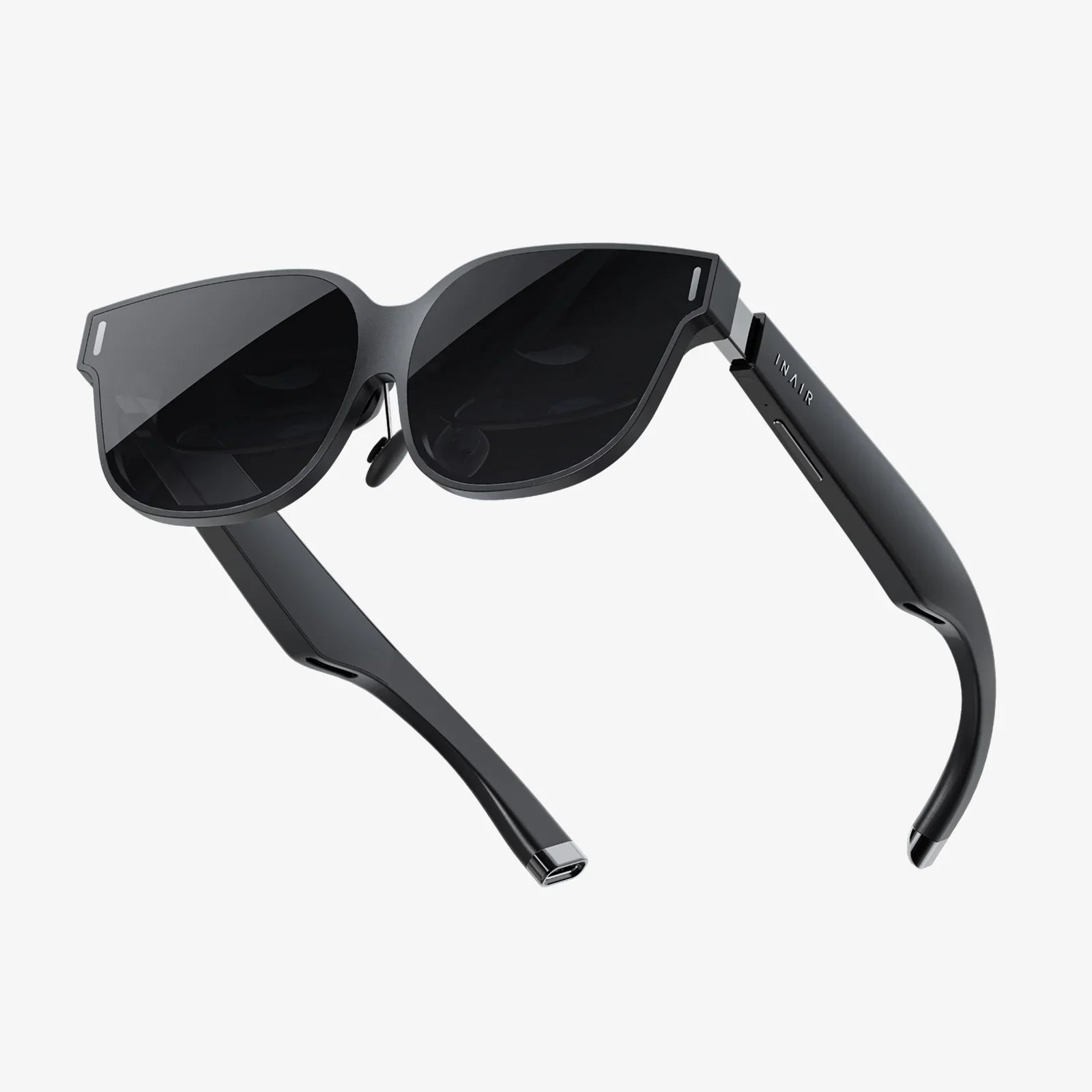
Perhaps the most anticipated category, smart glasses and augmented reality (AR) eyewear represent the next great frontier. CES has been ground zero for their development, showcasing everything from fashion-forward frames with discreet LED displays for notifications to full-fledged AR spectacles that overlay digital information onto the physical world. The potential is staggering: navigation arrows painted onto the street, real-time translation of street signs, contextual information about a landmark as you look at it, or immersive training manuals for complex tasks. The challenge, consistently tackled at the show, is balancing technological capability with social acceptability—making devices that are powerful, useful, and something people actually want to wear.
The most seamless integration of all is when the technology disappears into the very clothes we wear. CES showcases advancements in smart textiles, where sensors and conductive threads are woven directly into garments. This enables biomechanical analysis for athletes, continuous ECG monitoring for cardiac patients, and even posture correction haptic feedback for office workers. From self-heating jackets to biometric-sensing shirts, the line between apparel and computer is blurring, promising a future where our clothing is an active, connected part of our digital ecosystem.
The most significant trend at the Consumer Electronics Show is the move away from wearables as isolated islands of data. The true power of these devices is unlocked when they function as a cohesive, interconnected system. The modern wearable is the central node in a vast personal area network, collecting a rich, multi-dimensional stream of data from your body and your environment.
This data is synthesized and cross-referenced to create a holistic health and wellness profile. Your ring tracks your sleep quality, your smart scale measures your body composition in the morning, and your watch uses that data to recommend an optimal workout intensity and even a recovery period. Your glasses might detect you’ve been focused on a screen for too long and prompt you to take a break, while your earbuds play a calming soundscape to lower your stress, which is being measured by your watch. This closed-loop, contextual system is the ultimate promise: technology that doesn’t just observe but actively collaborates in your well-being.
This brave new world of pervasive wearables, so vividly illustrated at CES, is not without its profound challenges. The industry stands at a crossroads, and the path forward requires careful navigation.
Privacy and Security: These devices collect the most intimate data imaginable: your location, your health vitals, your sleep patterns, and even your emotional state. This creates a treasure trove for hackers and a responsibility for companies that is unparalleled. Robust encryption, transparent data policies, and giving users ultimate control over their data are not just features; they are the absolute foundation of trust upon which this entire industry must be built.
Battery Life and Sustainability: As devices become more powerful and sensors more numerous, the demand on batteries intensifies. The constant charge cycle is a pain point for users. CES has highlighted innovations in low-power chipsets, energy-harvesting technologies (like solar or kinetic charging), and the urgent need for better battery technology itself. Furthermore, the environmental impact of millions of devices with short lifecycles is a pressing concern that the industry must address through repairability, recycling programs, and sustainable material choices.
The Accuracy Imperative: When data informs health decisions, accuracy is non-negotiable. The line between a general wellness device and a regulated medical device is blurring. While CES showcases many products making health claims, the industry must work closely with regulatory bodies to ensure that claims are validated and that users can trust the information they are receiving, especially when it pertains to critical health metrics.
The ultimate direction, hinted at in the most futuristic CES booths, is a move towards complete invisibility. The goal is not to add another screen to our lives, but to integrate technology so seamlessly that it fades into the background, enhancing our experiences without demanding our attention. This means brain-computer interfaces for controlling devices with thought, subdermal implants for continuous health monitoring, and further advancements in smart fabrics where the technology is indistinguishable from the thread.
The wearable revolution is maturing. It’s moving beyond the novelty of the device itself and focusing on the value of the insight and the seamlessness of the experience. The conversation at CES is shifting from "What can it measure?" to "What can it do for me?" and finally, to "How can it help me without me even noticing?"
Imagine a world where your stress is managed by your environment before you feel overwhelmed, where chronic illnesses are predicted and prevented by continuous, invisible monitoring, and where your digital world is an intuitive extension of your physical reality. This is no longer science fiction; it is the tangible future being prototyped and unveiled every year at the Consumer Electronics Show. The wearables on display are the first steps toward a new human experience—one that is more connected, healthier, and profoundly augmented, all from the devices we choose to wear.