


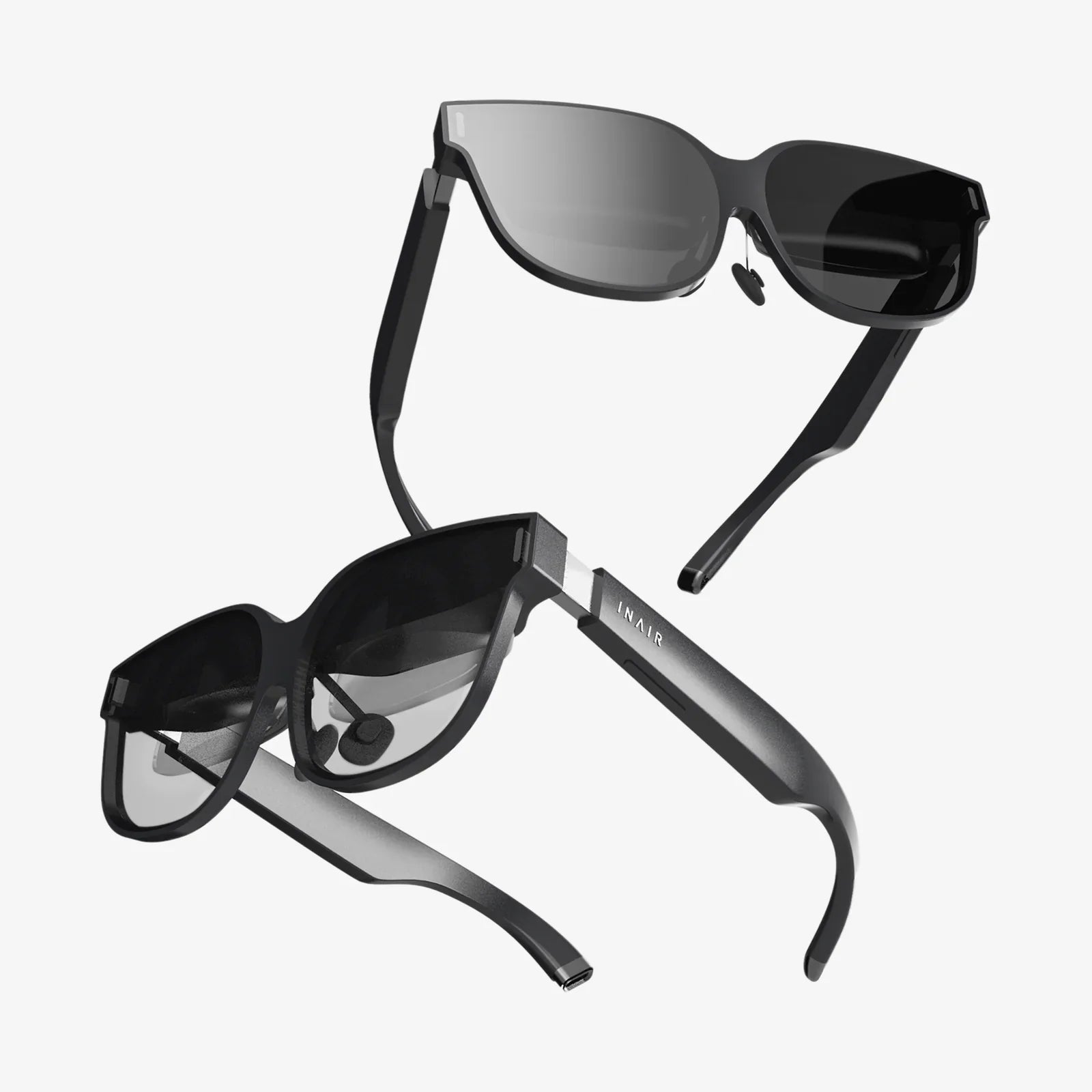
Imagine slipping on a headset and instantly standing on the surface of Mars, practicing a complex surgical procedure on a hyper-realistic patient, or sitting front row at a concert happening halfway across the globe. This is no longer the stuff of science fiction; it is the rapidly unfolding reality of consumer virtual reality (VR), a technological force poised to redefine human experience in ways we are only beginning to comprehend. From a niche hobby for gamers to a transformative platform with staggering potential, consumer VR is quietly orchestrating a revolution, and it’s inviting everyone to step inside.
The Meteoric Ascent: From Prototype to Mainstream Aspiration
The journey of consumer virtual reality is a tale of fits and starts, of grand promises and painful lessons, culminating in a recent surge of accessibility and capability. While the conceptual roots of VR stretch back decades, the modern era truly began in the early 2010s with the advent of powerful, affordable head-mounted displays. Initially, the technology was cumbersome, expensive, and required a significant investment in high-end computing hardware, effectively placing it out of reach for the average consumer.
The landscape shifted dramatically with the introduction of standalone headsets. These all-in-one devices, containing their own processors, sensors, and batteries, severed the tether to the personal computer. Suddenly, VR became a truly consumer-friendly product. One could purchase a headset, charge it, and be immersed in a virtual world within minutes, with no technical expertise required. This democratization of access was the single most important catalyst for growth, opening the floodgates to a new wave of users, developers, and content creators.
Simultaneously, the market began to stratify. Today, consumers face a spectrum of choices:
- Standalone VR: The dominant force in the consumer market, offering a wireless, hassle-free experience perfect for gaming, fitness, and social applications.
- PC-Connected VR: The high-fidelity option for enthusiasts and professionals, delivering the most graphically intense and computationally complex experiences, albeit at a higher cost and with less convenience.
- Smartphone-Based VR: A largely deprecated category that served as an introductory gateway but has since been eclipsed by the power and quality of standalone systems.
This evolution in hardware has been matched by a revolution in software. Application stores are now brimming with content that extends far beyond the gaming roots of the medium.
A Universe of Experiences: Far Beyond the Game
The most common misconception about consumer VR is that it is solely a gaming peripheral. While gaming remains a powerful and popular driver, it is merely one star in a vast constellation of applications.
The Social Sphere: Presence Over Proximity
Perhaps the most profound application of VR is its ability to generate a genuine sense of social presence. Traditional video calls transmit a picture and a voice. Social VR platforms transport your embodied avatar into a shared virtual space with others. You make eye contact, you gesture with your hands, you sense the proximity of another person. The psychological impact is profound. Families separated by oceans can feel like they are sitting in the same living room. Colleagues can collaborate on 3D models as if standing around the same physical table. Friends can attend virtual watch parties, concerts, or simply hang out in customizable spaces, fostering a deeper connection than any flat-screen interaction could ever provide. This technology is combating loneliness and creating new forms of community that are unshackled from geography.
Fitness and Wellbeing: The Gamification of Health
Consumer VR has unexpectedly become a formidable player in the fitness industry. A plethora of applications have transformed workouts into engaging, immersive experiences. Users can box against virtual opponents, slice through flying blocks to the rhythm of music in rhythm games, or follow guided fitness programs in breathtaking environments. The key is immersion; by focusing on the game and the world, users often forget they are exercising, leading to longer, more enjoyable, and more consistent workout sessions. Furthermore, VR is being explored for meditation and mental health, offering serene, guided environments to practice mindfulness and reduce stress, providing a digital sanctuary from the anxieties of the modern world.
Education and Training: Learning by Doing
The potential for VR in education is limitless. Instead of reading about ancient Rome, students can take a guided tour through a historically accurate reconstruction of the Forum. Medical students can practice intricate procedures repeatedly in a risk-free environment, gaining valuable muscle memory and confidence before ever touching a real patient. Mechanics can learn to assemble and disassemble complex engines, with interactive guides highlighting each step. This experiential learning, or "learning by doing," has been shown to dramatically improve retention and understanding. VR makes the impossible possible, bringing abstract concepts to life and offering safe training grounds for high-stakes professions.
Arts and Creation: The Ultimate Canvas
For artists and creators, VR is a paradigm shift. Applications allow users to paint, sculpt, and design in three-dimensional space. You are no longer confined to a two-dimensional screen; you can walk around your sculpture, step inside your architectural model, or create vast, room-scale murals. This unlocks a new form of spatial creativity that was previously inaccessible to all but those with extensive resources. Musicians are using VR to create and perform in virtual studios, and filmmakers are experimenting with immersive, 360-degree storytelling, placing the viewer directly inside the narrative.
The Invisible Architecture: What Makes the Magic Work
The feeling of "being there" in VR, known as presence, is an illusion crafted by a symphony of advanced technologies working in perfect harmony.
- Visual Fidelity: High-resolution displays, often with fast refresh rates (90Hz and above), are critical to creating a clear, believable world and minimizing the motion sickness that plagued early systems.
- Tracking: Inside-out tracking, where cameras on the headset itself map the physical room and track the controllers, has eliminated the need for external sensors. This enables precise, six degrees-of-freedom (6DoF) movement, meaning you can lean, dodge, and crouch within the virtual space.
- Audio: Spatial audio is a silent hero of immersion. By simulating how sound behaves in a 3D environment, it allows users to locate the source of a noise—behind, above, or to the side—with astonishing accuracy, making the virtual world feel tangibly real.
- Haptics: The sense of touch is the next frontier. Advanced controller vibrations can simulate the recoil of a gun, the impact of a tennis ball on a racket, or the gentle brush of a virtual object. Research into full haptic suits and gloves promises to deepen immersion even further.
Navigating the Obstacle Course: Challenges on the Path to Ubiquity
Despite its incredible progress, consumer VR is not without significant hurdles that must be overcome to achieve true mass adoption.
The most persistent physical barrier is simulator sickness, a form of motion sickness caused by a disconnect between what the eyes see and what the inner ear feels. While modern hardware and software have made great strides in mitigating this through techniques like higher frame rates and reduced latency, it remains a problem for a portion of the population.
There is also the issue of social acceptance. VR is an inherently isolating experience; the user is cut off from their immediate physical environment. The act of wearing a large, opaque headset can feel awkward and anti-social, a stark contrast to the seamless integration of smartphones into daily life. The design of future hardware will need to prioritize smaller, lighter, and more socially transparent form factors, perhaps eventually evolving towards sleek glasses.
Furthermore, the creation of a healthy, sustainable content ecosystem is an ongoing challenge. While the library of applications is growing, the industry is still searching for its definitive "killer app"—the experience so compelling that it drives mass hardware sales, akin to what VisiCalc was for the Apple II or what Halo was for the original Xbox. The economic model for VR content is also maturing, with developers experimenting with pricing, subscriptions, and in-experience purchases.
Finally, the ethical and societal questions loom large. As these virtual worlds become more persistent and intertwined with our real lives, issues of data privacy, digital identity, virtual property rights, and psychological addiction need to be addressed proactively by developers, policymakers, and society as a whole.
The Horizon Beckons: The Future is Immersive
The trajectory of consumer virtual reality points toward a future where the line between the digital and physical worlds becomes increasingly blurred. We are moving towards the concept of the metaverse—a persistent, interconnected network of shared virtual spaces. In this future, your virtual identity, assets, and social connections will be as continuous and meaningful as their real-world counterparts.
Technological advancements will continue to accelerate. Eye-tracking and facial expression tracking will soon allow avatars to convey nuanced, real-time emotion, making social interactions richer and more authentic. Haptic feedback will evolve from simple vibrations to sophisticated force feedback, allowing users to "feel" virtual objects. Wireless technology will improve, and displays will advance towards varifocal lenses that mimic the natural focus of the human eye, eliminating visual discomfort. Ultimately, the hardware will shrink, becoming more comfortable, more powerful, and less obtrusive.
The true potential of consumer VR lies not in replacing reality, but in augmenting it. It will become a tool for connection, a medium for creativity, a gym for the body and mind, and a classroom without walls. It will allow us to experience the unreachable and practice the unthinkable.
So, the next time you see a consumer virtual reality headset, don't just see a piece of technology. See a ticket to the front row of history, a passport to infinite worlds, a bridge to distant loved ones, and a blank canvas for the human imagination. The virtual door is open, and an unseen revolution is waiting on the other side, inviting you to step through and reshape your perception of what is possible. The question is no longer if you will try it, but when you will decide to dive in and see what all the reality is about.
Share:
How to Stream Phone to TV Wireless: The Ultimate Guide for 2024
What Is Smart Interactivity: The Next Evolution in Human-Machine Engagement