


Imagine a world where your watch not only tells time but also warns you of an impending health event, your glasses overlay a digital reality onto the physical world, and your clothing monitors your posture in real-time. This is not a glimpse into a distant science fiction future; it is the rapidly evolving present, powered by the silent, pervasive revolution of consumer wearable computing devices. These sophisticated gadgets are weaving themselves into the very fabric of our existence, transforming from mere novelties into indispensable partners in health, productivity, and social connection. The era of passive technology is over; we are now entering an age of intimate, intelligent computing that walks with us, sleeps beside us, and knows us better than we know ourselves.
From Chronographs to Computers: The Meteoric Ascent of the Wrist
The journey of wearables is a fascinating tale of miniaturization and convergence. While the concept has existed for decades in niche applications, the modern era truly ignited with the advent of the basic fitness tracker. These simple devices, focused on counting steps and estimating calories, introduced the masses to the concept of quantified self. They provided a tangible, data-driven link between daily activity and personal well-being, creating a new market hungry for more insights.
The subsequent leap to full-featured smartwatches marked a pivotal moment. No longer just for fitness enthusiasts, these devices became miniature command centers for our digital lives. They integrated notifications, communication, music control, and a growing suite of applications, all accessible with a flick of the wrist. This transition solidified the wearable's position as a central hub, reducing our need to constantly reach for a phone and offering a more seamless, glanceable interaction with technology.
Beyond the Wrist: The Expanding Ecosystem of Wearables
The term 'wearable' has dramatically expanded beyond the confines of the wrist. Today's ecosystem is a diverse landscape of form factors, each designed for a specific purpose and context.
- Hearables: Advanced wireless earbuds have evolved far beyond audio playback. They now incorporate active noise cancellation for immersive soundscapes, real-time language translation breaking down communication barriers, and integrated biometric sensors for monitoring heart rate during workouts.
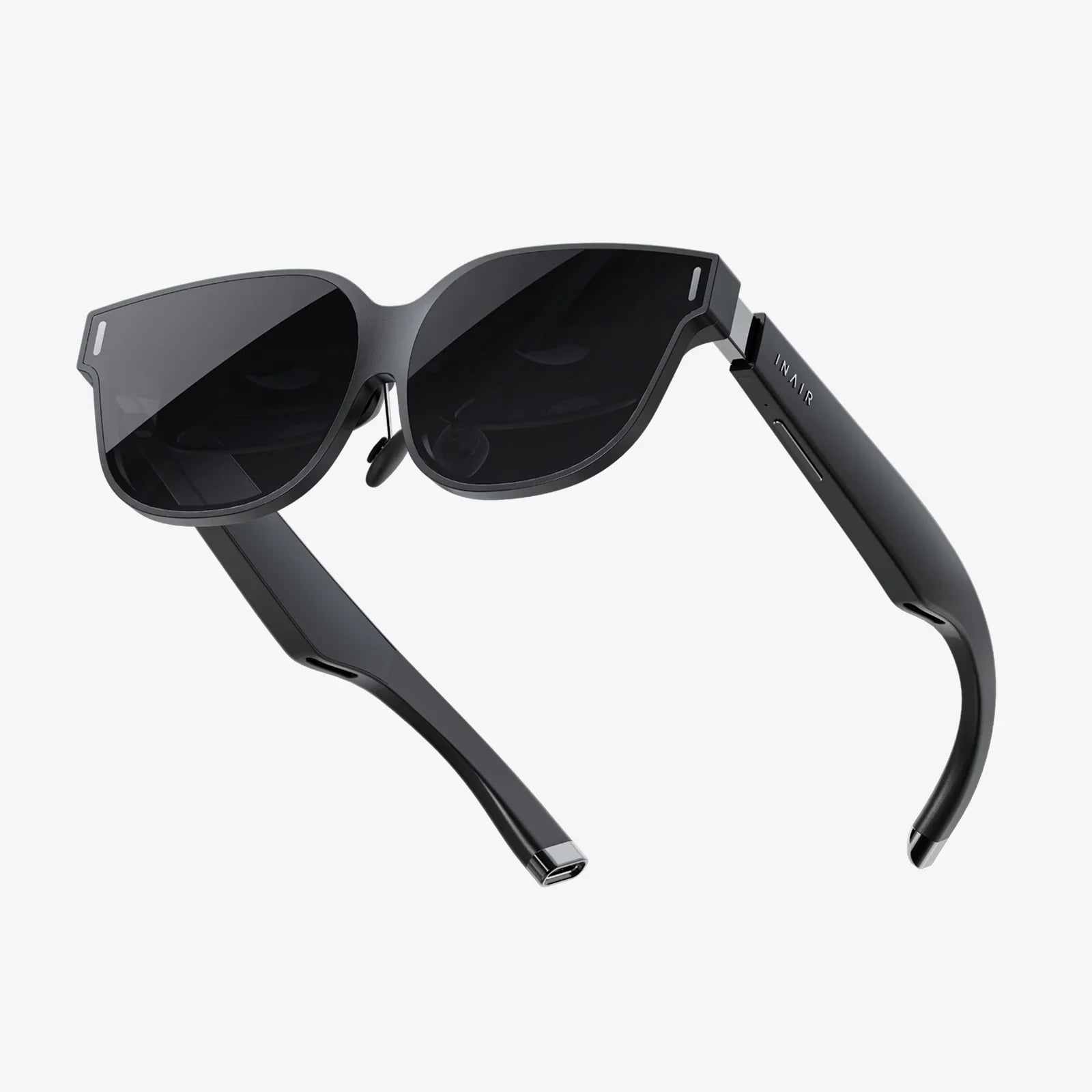
- Smart Eyewear: While early attempts struggled, the category is experiencing a renaissance. Current iterations focus on discreet audio and camera features for content creation and information access, while the horizon gleams with the promise of full augmented reality (AR) overlays, transforming how we navigate, learn, and interact with our environment.
- Smart Apparel and Footwear: The integration of technology into fabric and shoes represents the ultimate goal of invisible computing. From athletic shirts that monitor muscle activity and form to running shoes that analyze gait and suggest improvements, these devices collect data without any conscious action from the user, blending seamlessly into daily life.
- Specialized Medical Devices: Perhaps the most impactful category, continuous glucose monitors (CGMs) and smart ECG patches have moved from clinical settings to consumer availability. They provide life-changing, real-time health data to individuals, enabling proactive management of chronic conditions and offering unprecedented peace of mind.
The Engine Room: Core Technologies Powering the Revolution
The magic of wearables is underpinned by a symphony of advanced technologies working in concert. Miniaturized sensors are the heart of the operation, including accelerometers, gyroscopes, optical heart rate monitors, blood oxygen saturation (SpO2) sensors, and increasingly, electrocardiogram (ECG) capabilities.
Processing this constant stream of raw sensor data requires efficient, low-power chipsets designed specifically for the unique constraints of wearable devices. The real intelligence, however, often lies in the cloud. Sophisticated machine learning algorithms and artificial intelligence (AI) parse the vast datasets, identifying patterns, deriving meaningful insights from noise, and delivering personalized feedback and alerts to the user. This powerful combination of edge computing and cloud-based AI is what transforms simple data points into actionable knowledge.
Transforming Healthcare: From Reactive to Proactive and Preventive
The most profound impact of consumer wearables is undoubtedly in the realm of health and wellness. They are catalyzing a monumental shift from a reactive healthcare model—treating illness after it occurs—to a proactive and preventive one.
By providing a continuous stream of personalized health data, these devices empower individuals to take charge of their own well-being. They can track sleep patterns to improve rest, monitor heart rate variability to manage stress, and use activity goals to combat sedentary lifestyles. On a broader scale, the anonymized and aggregated data from millions of users presents an unprecedented resource for large-scale medical research, potentially leading to new understandings of disease onset and progression.
The line between consumer wellness and clinical health is blurring. Features like atrial fibrillation (AFib) detection and fall detection with emergency SOS are already providing critical safety nets. As regulatory frameworks evolve, we can expect an influx of devices capable of monitoring a wider range of vital signs and conditions, effectively bringing a piece of the clinic onto your body.
The Double-Edged Sword: Privacy, Security, and the Data Dilemma
This intimate data collection does not come without significant ethical and practical challenges. Consumer wearable computing devices are, by their very nature, reservoirs of extremely sensitive personal information. They know where you are, how you sleep, your heart patterns, and potentially, your future health risks.
This creates a massive target for cyberattacks. A data breach involving health information is far more damaging than one involving stolen passwords. Furthermore, the business models of many companies involve aggregating and anonymizing user data for research or advertising purposes. The line between beneficial use and exploitation is thin, raising critical questions about data ownership, informed consent, and the potential for discrimination by employers or insurers based on health data.
Users must be vigilant about privacy settings and understand what they are trading for convenience and functionality. Robust cybersecurity measures, transparent data policies, and clear regulatory guidance are not optional extras; they are fundamental requirements for the sustainable growth of the entire industry.
The Social and Psychological Impact: Connection and Its Discontents
The social implications of ubiquitous wearable technology are equally complex. On one hand, these devices can enhance connection. They allow for quick, discreet communication and enable families to remotely monitor the well-being of elderly relatives, fostering a new sense of connected care.
On the other hand, they risk exacerbating the always-on culture, creating a new layer of digital distraction and the pressure to be perpetually available. The quantified self can also become the anxious self. An over-reliance on data can lead to health anxiety, orthorexia (an obsession with healthy eating), or exercise addiction, where the numbers on the screen override listening to one's own body. The constant pursuit of optimization can ironically undermine the very well-being these devices are meant to promote.
Gazing into the Crystal Ball: The Future of Wearable Computing
The trajectory of consumer wearables points toward even greater integration, intelligence, and invisibility. We are moving toward a paradigm of ambient computing, where technology recedes into the background of our lives, anticipating our needs and acting on our behalf without requiring explicit commands.
Key to this future will be advancements in battery technology and ultra-low-power designs, enabling devices to run for weeks or months without a charge. We can expect a proliferation of more advanced biosensors capable of non-invasively tracking a wider array of biomarkers, such as cortisol levels for stress, blood alcohol content, or early signs of infection.
The ultimate frontier is brain-computer interfaces (BCIs), which aim to create a direct communication pathway between the brain and an external device. While still in early stages, this technology promises to revolutionize assistive technologies and could one day change the fundamental nature of how we interact with all digital systems.
The true power of consumer wearable computing devices lies not in the silicon and sensors they contain, but in the choices they enable. They are handing us a mirror, reflecting detailed aspects of our lives that were once invisible. The challenge and the opportunity for us as individuals and as a society is to decide what to do with that reflection. Will we use this knowledge to become healthier, more present, and more empowered? Or will we succumb to anxiety and data overload? The devices themselves are neutral; they are simply tools. The revolution they promise will be written not by algorithms, but by us—by how we choose to wear our future, one data point at a time.
Share:
Virtual Intelligence: The Silent Revolution Reshaping Our Digital Existence
2D to 3D AI: The Revolutionary Technology Reshaping Digital Realities