


- by wangfred
Consumer Wearable Tech: From Novelty to Necessity in the Modern World
- by wangfred
Remember when a watch was just for telling time? That notion is as antiquated as a flip phone in today's world, where consumer wearable tech has exploded from a niche curiosity into a multi-billion-dollar industry reshaping our very relationship with technology, health, and each other. What started as a clunky digital pedometer has morphed into a sleek, powerful, and increasingly indispensable extension of our selves, promising a future where data-driven living is not just an option, but a seamless part of our daily existence. This is the story of that transformation, a deep dive into the world on our wrists, in our ears, and even woven into our clothing.
The genesis of modern consumer wearables is often traced back to the humble fitness tracker. These early devices offered a singular, yet powerful, function: counting steps. They tapped into a burgeoning health consciousness and gamified basic activity, providing tangible goals and a sense of accomplishment. This simplicity was key to their initial adoption. However, the market was primed for a catalyst, a device that could transcend a single function and become a platform. The introduction of the modern smartwatch concept did exactly that. It merged the functionality of a fitness tracker with smartphone notifications, music control, and basic apps, all accessible from the wrist. This convergence marked a pivotal shift—wearables were no longer just for fitness enthusiasts; they were for everyone seeking greater convenience and connectivity.
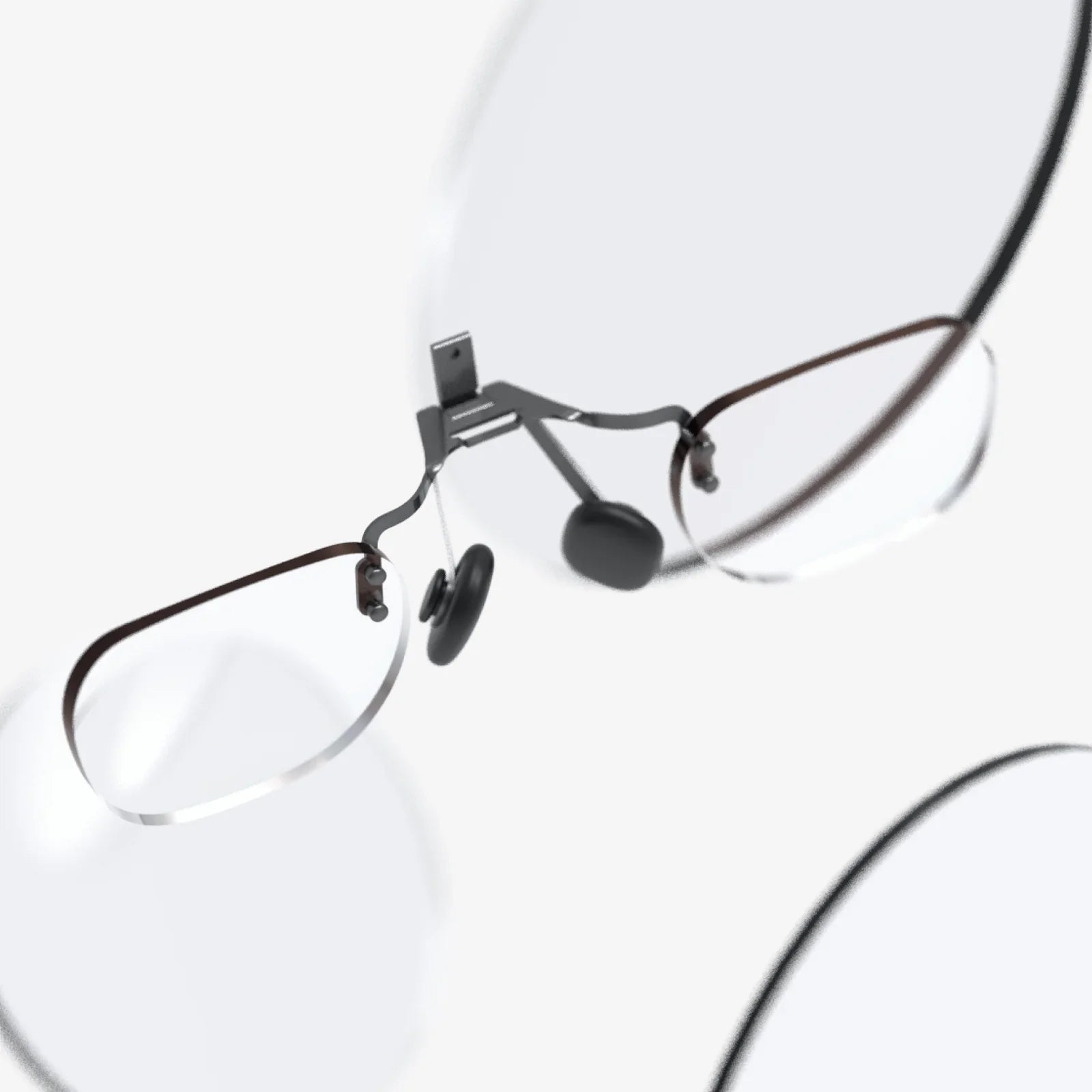
While wrist-worn devices dominate the market, the term 'wearable tech' encompasses a far broader and more innovative ecosystem. Smart glasses, though facing consumer adoption challenges, continue to be developed for enterprise and specialized fields, offering hands-free access to information and augmented reality overlays. Smart rings have emerged as a minimalist alternative, focusing on sleep tracking, activity monitoring, and NFC payments in an ultra-discreet form factor. Perhaps the most successful category beyond the wrist is that of hearables. Advanced wireless earbuds now do much more than play music; they offer active noise cancellation, real-time language translation, integrated voice assistants, and biometric monitoring like heart rate tracking. Furthermore, the frontier of smart clothing—from biometric shirts that monitor muscle activity and breathing to smart shoes that analyze gait—promises to embed technology directly into the fabrics of our lives, making data collection truly unobtrusive.
This is arguably the most profound impact of consumer wearable tech: its role as a personal health guardian. Modern devices are equipped with a suite of sensors capable of tracking a staggering array of physiological metrics.
This constant stream of data empowers individuals with unprecedented visibility into their own well-being, moving healthcare from a reactive model (treating illness) to a proactive and preventative one (maintaining wellness). It fosters a mindset of the 'quantified self,' where empirical data informs daily decisions about activity, rest, and lifestyle.
The immense power of wearables is inextricably linked to a host of serious challenges, primarily centered on data. These devices collect the most intimate information possible: real-time, continuous biometric data about our bodies, our locations, our habits, and even our sleep. This creates a treasure trove for hackers and a significant responsibility for the companies that store it.
Data privacy is a paramount concern. Who owns this data? How is it being used? Is it anonymized and aggregated for research, or could it be sold to third parties, such as insurance companies or employers? The potential for discrimination is alarming; imagine being denied health or life insurance based on your activity data or a poorly interpreted heart rhythm. There are also profound security risks. A data breach involving such personal information could have devastating consequences for individuals.
Beyond privacy, there are psychological and societal impacts. The gamification of health can lead to positive outcomes, but it can also foster anxiety and obsessive behaviors, sometimes referred to as 'orthosomnia'—an unhealthy preoccupation with perfecting sleep data. The constant notifications and connectivity can also contribute to digital fatigue, making it harder to truly disconnect and be present. Furthermore, the accuracy of these devices, while improving, is not medical-grade. Relying on them for diagnostic purposes without clinical validation can lead to unnecessary worry or, worse, a false sense of security.
For technology to be truly 'wearable,' it must overcome significant design and engineering hurdles. A device can have the most advanced sensors in the world, but if it is uncomfortable, bulky, or ugly, people will not wear it. The industry has made tremendous strides in creating devices that are not only functional but also fashionable. A focus on materials, from aerospace-grade aluminum to ceramic and sapphire crystal, along with customizable bands and watch faces, allows users to express their personal style.
Battery life remains the Achilles' heel of many devices. The tension between adding more power-intensive features (like always-on displays and continuous blood glucose monitoring) and maintaining a battery that lasts more than a day is a constant battle for engineers. Innovations in low-power chipsets, display technology, and software optimization are gradually extending usage, but the goal of a multi-week battery for a full-featured smartwatch remains elusive. The user experience is also critical. Intuitive operating systems, clear and actionable insights from health data, and seamless integration with other devices in a user's ecosystem are what transform a gadget from a novelty into a necessity.
The future of consumer wearable tech is not just about adding more sensors; it's about getting smarter with the data we already have. This is where Artificial Intelligence (AI) and machine learning will play a transformative role. Instead of presenting users with raw data, future devices will use AI to provide personalized, contextual, and predictive insights.
Imagine a device that doesn't just tell you your stress level is high, but analyzes your calendar, sees you have a big meeting in an hour, and suggests a five-minute breathing exercise to help you prepare. Or a system that cross-references your sleep, activity, and heart rate data to predict the early onset of a common cold and recommends rest and hydration before you even feel symptoms. This shift from descriptive analytics ('what happened') to predictive and prescriptive analytics ('what will happen' and 'what you should do about it') will be the next great leap.
Further ahead, we are moving towards truly continuous and non-invasive health monitoring. Research is ongoing into sensors that can measure blood pressure, blood glucose levels, and even detect early markers for diseases like cancer—all from the wrist. The ultimate goal is the development of a 'digital twin'—a high-fidelity, virtual model of your body that is continuously updated with data from your wearables, allowing for hyper-personalized medicine and unprecedented preventative care.
The journey of consumer wearable tech is far from over; in many ways, it's just beginning. These devices are quietly knitting themselves into the fabric of our society, becoming silent partners in our pursuit of health, productivity, and connection. They offer a tantalizing glimpse of a future where technology doesn't demand our attention but anticipates our needs, protects our well-being, and works effortlessly in the background. The challenges of privacy, accuracy, and mental health are significant and must be addressed with vigilance and responsibility. But the potential to democratize healthcare, empower individuals with knowledge, and enhance human potential is too great to ignore. The next time you glance at your wrist, know that you're not just checking the time—you're peering into the very future of how we will live.