


- by wangfred
Consumer Wearable Tech Market: Beyond the Wrist, Into the Future of Personal Data
- by wangfred
Imagine a world where your clothing diagnoses a potential illness before you feel a symptom, your glasses translate foreign street signs in real-time, and your ring gently nudges you to meditate when it senses rising stress levels. This is no longer the realm of science fiction; it is the pulsating, data-driven, and rapidly expanding reality of the consumer wearable tech market. From a niche hobby for fitness fanatics to a mainstream global phenomenon, wearable technology has woven itself into the very fabric of daily life, promising unprecedented insights into our health, fitness, and overall well-being. The journey from a simple step counter to a sophisticated health guardian is a story of technological triumph, consumer adoption, and a glimpse into a hyper-connected future.
The genesis of the modern wearable market can be traced back to humble beginnings. Basic pedometers and heart rate monitors used by athletes were the precursors. However, the market's true ignition point arrived with the convergence of several key technologies: miniaturized sensors, ubiquitous Bluetooth connectivity, powerful mobile processors, and the cultural smartphone revolution. This perfect storm created the ideal environment for a new device category to flourish—one that lived on the body and served as a companion to the smartphone.
Early devices focused primarily on a single function: tracking activity. They counted steps, estimated calories burned, and monitored sleep patterns. This initial value proposition was simple and understandable, tapping into a growing global consciousness around health and wellness. Consumers were eager for objective data about their daily habits, and wearables provided it in an accessible, gamified format. The market exploded as these devices became more affordable, stylish, and socially acceptable. What began as a clunky wristband evolved into a fashion statement, with interchangeable bands and sleek designs appealing to a broader demographic beyond just tech enthusiasts and gym-goers.
The consumer wearable tech market is no longer a monolith. It has matured and splintered into several distinct categories, each catering to specific user needs and preferences.
This remains the largest and most popular segment, often serving as the entry point for new users. These devices are typically worn on the wrist and are designed for general wellness monitoring. Their core functionalities include:
Their appeal lies in their simplicity, long battery life, and relatively low cost, making health data accessible to the masses.
Smartwatches represent the convergence of a fitness tracker and a miniature computer on your wrist. They incorporate all the features of a fitness tracker but add significantly more functionality through their operating systems and app ecosystems. Key features include:
Smartwatches aim to be comprehensive life-management tools, reducing the need to constantly check a phone.
This is one of the fastest-growing and most significant segments. These are wearables that have received regulatory approval for medical use. They are moving beyond wellness into the domain of actual healthcare, enabling remote patient monitoring and chronic disease management. Examples include:
This segment blurs the line between consumer electronics and medical devices, creating a new paradigm of proactive, personalized healthcare.
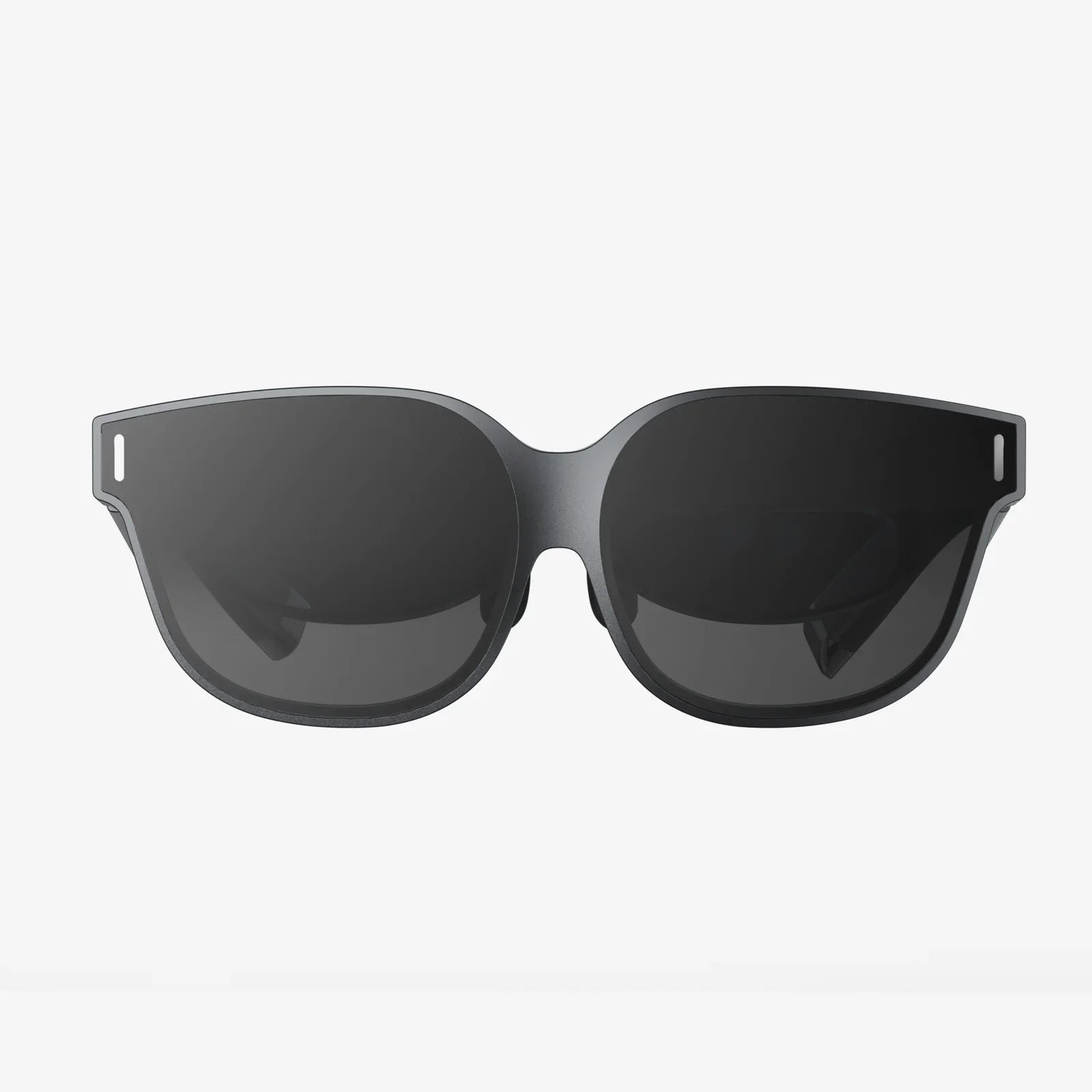
Innovation is bursting beyond the wrist. The market now includes:
The true value of wearable technology is not the hardware itself but the continuous stream of personalized data it generates. This has fueled the "Quantified Self" movement, where individuals use technology to collect and analyze data about their own bodies and habits. This data empowers users to make more informed decisions about their health, from adjusting workout intensity based on heart rate zones to improving sleep hygiene after noticing a pattern of poor rest.
For the healthcare industry, this data is revolutionary. It enables a shift from episodic care—visiting a doctor only when sick—to continuous, preventative care. Physicians can monitor patients with chronic conditions remotely, potentially catching deteriorations early and preventing hospitalizations. Large-scale, anonymized data sets from wearables can also be used for population health studies, providing insights into disease trends and the effectiveness of public health initiatives. This data-driven approach promises to make healthcare more personalized, efficient, and effective.
Despite its promise, the consumer wearable tech market faces significant hurdles that could impede its growth and erode consumer trust.
This is the single biggest challenge. Wearables collect incredibly intimate data: where you go, how you sleep, your heart rhythms, and potentially future biomarkers like blood glucose. The question of who owns this data, how it is used, and who it is shared with is paramount. Data breaches could have severe consequences. Furthermore, the use of this data by insurance companies or employers for pricing and hiring decisions raises serious ethical and legal concerns. Robust, transparent, and user-centric data governance frameworks are not a luxury; they are an absolute necessity for the market's sustainable future.
While improving, battery life remains a pain point. Advanced features like always-on displays and continuous GPS tracking drain power quickly, often requiring daily charging. This can lead to data gaps, especially in sleep tracking if users charge their device overnight. Furthermore, the accuracy of sensors, particularly optical heart rate monitors and sleep stage detectors, can be variable and is not yet at clinical grade for all applications. Consumers may be making decisions based on inaccurate data, leading to confusion or unnecessary anxiety.
The initial wave of adoption is slowing in some mature markets. Many consumers who want a basic activity tracker already have one. The challenge now is to convince users to upgrade and to attract first-time buyers in a crowded field. This requires demonstrating clear, unique value beyond what previous generations offered. Without compelling new use cases, the market risks stagnation.
As wearables increasingly incorporate medical-grade features, they enter a complex world of healthcare regulation. Obtaining approval from bodies like the FDA or EMA is a lengthy, expensive, and rigorous process. Navigating these regulations while maintaining a rapid pace of innovation is a difficult balancing act for companies. Missteps can lead to costly delays or even the removal of features from the market.
The next decade of wearable tech will be defined by two major trends: hyper-personalization and seamless integration. Devices will move from providing generic insights to delivering highly personalized, actionable recommendations powered by artificial intelligence and machine learning. Instead of just telling you you slept poorly, a future device might analyze your daily stress, caffeine intake, and evening routine to provide a tailored plan for improvement.
Furthermore, the technology itself will become less obtrusive. The goal is for it to fade into the background of our lives. We will see a move from devices we charge and think about to technology seamlessly embedded into our clothing, eyewear, and even skin through epidermal electronics and smart patches. The concept of the wearable will evolve into that of an "unwearable"—technology that is so integrated it feels natural and invisible.
New sensor technologies will open up entirely new data streams. The non-invasive continuous monitoring of blood pressure, blood glucose, hydration levels, and even early markers of infection or disease is actively being developed. This will further solidify the wearable's role as a guardian of health, providing a continuous, holistic picture of an individual's well-being.
The consumer wearable tech market has fundamentally changed how we interact with data about ourselves. It has democratized health information and sparked a revolution in personalized, preventative care. The road ahead is paved with both incredible opportunity and profound responsibility. Navigating the challenges of privacy, accuracy, and regulation will be critical. But one thing is certain: the devices on our wrists, fingers, and faces are just the beginning. We are steadily moving towards a future where technology and humanity are more intertwined than ever, creating a world where our gadgets don't just tell the time—they help us make the most of our lives.