


- by wangfred
Consumer Wearables Market: Beyond the Wrist, Into the Future of Personalized Data
- by wangfred
The tiny device on your wrist is quietly orchestrating a revolution. It’s a personal health monitor, a payment terminal, a communication hub, and a gateway to a quantified life. The consumer wearables market has exploded from a niche interest for tech enthusiasts and fitness fanatics into a global, multi-billion-dollar industry fundamentally reshaping how we interact with technology, understand our bodies, and navigate our daily lives. This is not just a story of gadgets and gizmos; it’s a profound narrative about the merging of human and machine, the commodification of personal data, and the relentless pursuit of a healthier, more efficient, and hyper-connected future.
The origins of the modern consumer wearables market are humble, rooted in the simple pedometer. These basic step-counters laid the foundational concept: using technology to passively track a metric of human activity. The real inflection point, however, arrived with the convergence of several key technologies. The miniaturization of sensors, breakthroughs in low-power processing, the ubiquity of smartphones, and the expansion of cloud computing created the perfect storm. Suddenly, it was possible to strap a powerful computer to your body that could collect, process, and transmit a staggering array of data.
Early devices focused primarily on fitness metrics: steps taken, distance traveled, and calories burned. They democratized access to personal data that was once the domain of professional athletes with expensive equipment. This initial value proposition was powerful, creating a massive wave of adoption. The market rapidly segmented, with devices ranging from simple, affordable fitness bands to full-featured smartwatches with displays and third-party applications.
This evolution was driven by a powerful feedback loop. Consumer adoption generated vast amounts of data, which companies used to refine algorithms, improve accuracy, and identify new features users craved. This, in turn, made the devices more valuable, fueling further adoption and investment. The market was no longer just about counting steps; it was about providing insights.
The consumer wearables landscape is diverse, but it can be broadly categorized into several key segments, each serving distinct user needs and driving different aspects of market growth.
Positioned as the most versatile wearable, the smartwatch has become the dominant category in terms of revenue and functionality. These devices act as an extension of the smartphone, providing notifications, allowing for calls and messages, and supporting mobile payments. However, their true power lies in their health and fitness capabilities, which have become increasingly sophisticated. They are now central hubs for a user’s digital life.
Often more lightweight and affordable than smartwatches, fitness trackers prioritize health and activity metrics above all else. They typically offer longer battery life and a more discreet form factor. While some have incorporated basic smart notifications, their core purpose remains: to provide clear, actionable data on physical activity, sleep patterns, and sometimes basic heart rate monitoring. This segment continues to be a critical entry point for new users.
This category, primarily consisting of wireless earbuds and headphones, has become a powerhouse in its own right. Beyond delivering high-quality audio, modern hearables incorporate sensors for fitness tracking, integrate with voice assistants for hands-free control, and feature active noise cancellation. Some are even exploring advanced health monitoring, like temperature sensing. They represent a more seamless, integrated form of wearable technology that is less obtrusive than a wrist-worn device.
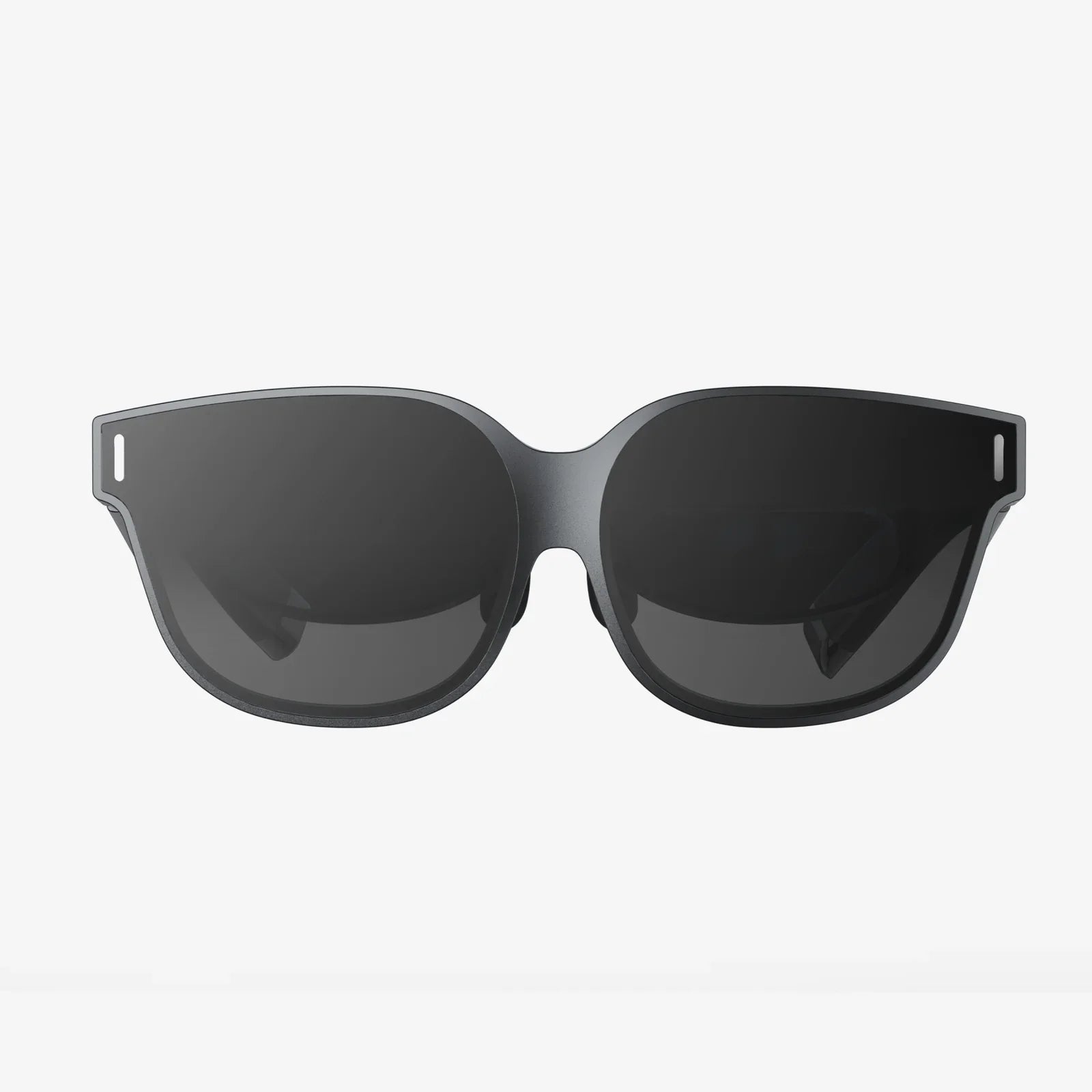
Beyond the mainstream categories lies a growing ecosystem of specialized wearables. This includes smart glasses, which are slowly evolving from failed consumer products to targeted enterprise tools for logistics and field service, with future potential in augmented reality. Smart clothing with embedded sensors offers a truly unobtrusive way to capture biomechanical data. Continuous glucose monitors (CGMs), though often medical devices, are inspiring a new wave of consumer-focused biometric sensors. This segment represents the innovative frontier of the market.
To view the consumer wearables market solely through the lens of hardware sales is to miss its most profound economic engine: data. The true value of a wearable device is not in the silicon and aluminum itself, but in the continuous stream of biometric and behavioral data it generates. This data is the lifeblood of the industry, fueling a new paradigm often called the "platform model."
Companies are no longer just selling a product; they are building an ecosystem. The device is the gateway. Once a user is within the ecosystem, they are encouraged to subscribe to premium services that offer deeper analysis, personalized coaching, and advanced health insights. This creates a lucrative recurring revenue stream that far outlasts the one-time profit from a hardware sale.
This data aggregation also holds immense value for larger strategic goals. It can inform research and development for new health algorithms, provide population-level health trends, and even be anonymized and used in partnerships with academic institutions or health organizations. The ethical implications of this data collection are significant and will be discussed later, but its economic value is undeniable and is a primary driver of innovation and competition.
The relentless pace of innovation in sensor technology is what continually expands the possible capabilities of wearables. Each new sensor opens a new window into the human body.
Alongside sensors, improvements in battery technology (including low-power displays and processors) and the rollout of faster, more efficient wireless connectivity standards are crucial for enabling always-on, continuous monitoring without being tethered to a charger multiple times a day.
Despite its exciting trajectory, the consumer wearables market faces significant challenges that could hamper its growth and broader acceptance.
This is arguably the single biggest issue facing the industry. Wearables collect the most intimate data possible: real-time information about your body, your location, and your daily habits. Questions abound: Who owns this data? How is it being used? Is it being sold to third parties? Is it adequately encrypted? High-profile data breaches involving health information have made consumers rightfully wary. Building and maintaining trust through transparent policies and robust security is not optional; it is a prerequisite for long-term survival.
As devices incorporate more advanced health features, they increasingly blur the line between a consumer lifestyle product and a medical device. Regulatory bodies around the world are scrambling to create frameworks for this new category. Obtaining regulatory clearance for a feature like ECG is a complex, expensive, and time-consuming process that varies by region. This regulatory maze can slow down innovation and create barriers to entry for smaller companies.
In mature markets, many consumers who want a basic wearable already own one. Convincing them to upgrade requires offering truly compelling new features, not just incremental improvements. This leads to a problem of differentiation, where many devices on the market offer similar suites of functions, competing primarily on brand, design, and price. Breaking out of this cycle requires groundbreaking innovation.
While sensor technology has improved dramatically, the accuracy of wrist-based readings, especially for complex metrics like blood pressure or glucose, is still a subject of scientific debate. Consumers and healthcare professionals alike need to be able to trust the data these devices provide. Overpromising and underdelivering on accuracy could erode consumer confidence and stall the adoption of future health features.
The future of the consumer wearables market is moving towards greater integration, intelligence, and personalization.
The tiny device on your wrist is just the beginning. It is the first, most visible node in a coming world where technology is woven into the very fabric of our existence, silently working to optimize our health, enhance our capabilities, and connect us to a world of personalized data. The journey of the consumer wearables market is a testament to human ingenuity, but its ultimate destination will be determined by how wisely we navigate the delicate balance between innovation and ethics, between connection and privacy, and between a quantified life and a qualified one. The data is being collected; the real question is what story we will allow it to tell.