


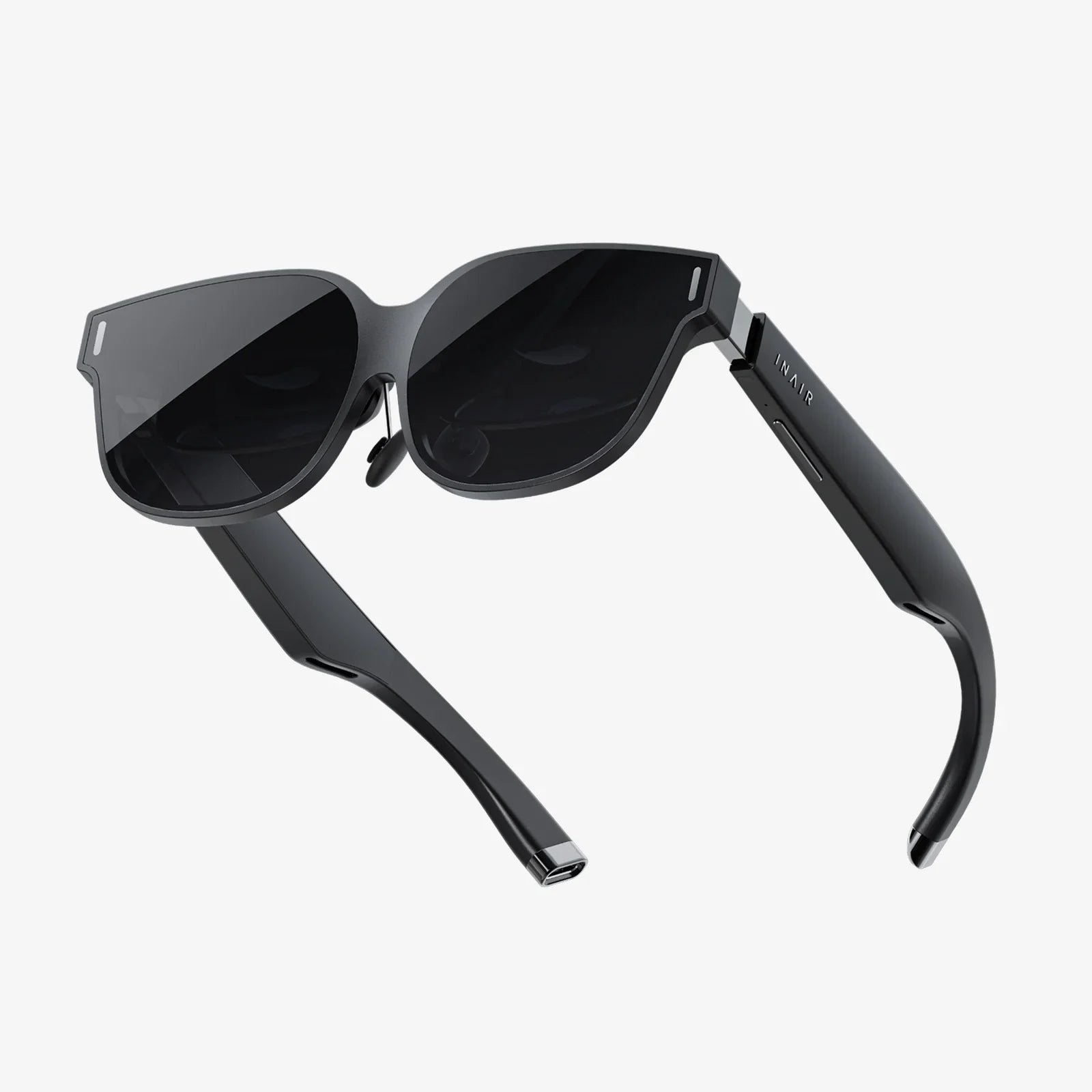
Imagine stepping through a portal into another world, a dimension limited only by the imagination, where the rules of physics are yours to command and the experiences are so visceral, so intensely real, that the line between the digital and the physical begins to blur. This is the promise, the allure, and the undeniable cool factor of Virtual Reality. It’s no longer a distant sci-fi trope; it’s a dynamic, rapidly evolving technology that is fundamentally reshaping how we play, learn, work, and connect. The era of cool VR is here, and it’s inviting you to dive headfirst into the future.
Beyond the Hype: What Makes VR So Compelling?
At its core, the coolness of VR isn't about the sleek design of the hardware, though that certainly helps. It's about the unparalleled experience of presence—the profound and convincing sensation of actually being in a virtual environment. This is the magic ingredient that separates VR from every other form of media. A flat screen, no matter how large or high-resolution, remains a window you look through. VR, however, is a space you step into.
This sensation is achieved through a sophisticated combination of technologies. High-resolution displays are positioned mere centimeters from your eyes, filling your entire field of view. Advanced motion tracking, using a combination of external sensors and internal gyroscopes, accelerometers, and magnetometers, translates your every movement—a tilt of the head, a step forward, a reach of the hand—into the digital world with imperceptible latency. This creates a perfect feedback loop: you move, the world moves with you, reinforcing the illusion of reality. High-fidelity spatial audio adds another critical layer, with sounds appearing to emanate from specific points around you, making a whisper behind your left ear just as startling as an explosion in front of you.
The psychological effect of this immersion is profound. Your lizard brain, the ancient part responsible for instinct and reaction, is often fooled. You might feel a genuine sense of vertigo looking down from a virtual cliff edge, or an instinctual flinch when a virtual object is hurled toward your face. This raw, emotional response is at the heart of what makes VR so uniquely cool and powerful.
The Playground of Imagination: VR in Gaming and Entertainment
It's impossible to discuss cool VR without starting with its most famous application: gaming. VR gaming is a quantum leap beyond traditional controller-based play. You are no longer a puppeteer guiding a character on screen; you are the character. Wielding a lightsaber becomes an act of personal skill and coordination, not just pressing a button. Aiming a bow and arrow requires real steady-handedness. The controller disappears from your conscious thought, replaced by your own hands within the game.
The genres that thrive in VR are as diverse as they are thrilling:
- Rhythm Games: Where you physically slash, block, and duck to the beat of pulsing music, providing a workout that feels more like a dance party than exercise.
- First-Person Shooters: Transformed into tense, tactical experiences where peeking around cover means physically leaning your body, and reloading your weapon requires a series of practiced, physical motions.
- Puzzle Games: That place you inside a mysterious room or complex machine, challenging you to manipulate the environment with your own hands to find a solution.
- Horror Games: Arguably the most intense genre in VR, leveraging the unparalleled immersion to generate a level of dread and terror that is simply unachievable on a television.
But the entertainment value extends beyond gaming. Imagine attending a live concert from the best seat in the house, with a 360-degree view of the stage and the roaring crowd, all from your living room. Cinematic experiences are being redefined, allowing you to stand inside the story as it unfolds around you. Virtual tourism lets you explore the ancient ruins of Machu Picchu, walk the streets of Tokyo, or swim through the Great Barrier Reef without the cost or carbon footprint of international travel. This is the democratization of experience, and it’s incredibly cool.
Building Bridges in the Metaverse: The Social Revolution of VR
Perhaps the most surprising and transformative aspect of cool VR is its power as a social platform. The early internet connected us through text and images. Social media added our voices and videos. VR is the next logical step: connecting us through shared presence and embodied avatars.
Social VR platforms are emerging as vibrant digital town squares. Here, you are not a username or a profile picture; you are a person, represented by an avatar that can gesture, nod, dance, and express itself. You can meet friends from across the globe in a virtual cinema, a custom-designed home, or on the surface of a distant planet. The sense of being together in the same space, of making eye contact and reading body language, fosters a depth of connection that video calls cannot match.
This has given rise to a new form of collaboration. Architects and engineers can walk clients through full-scale 3D models of unbuilt structures. Remote teams can brainstorm on virtual whiteboards as if they were in the same conference room. Artists can sculpt in 3D space together, their virtual clay yielding to their gestures. VR is breaking down geographical barriers, not just for meetings, but for shared creative and social experiences, building the foundational layers of what many are calling the metaverse—a persistent, interconnected network of virtual spaces.
More Than Fun and Games: The Profound Practical Applications
The cool factor of VR isn't limited to entertainment. Its ability to simulate reality safely, repeatably, and at a low cost is revolutionizing numerous professional fields.
Education and Training
VR is transforming the classroom from a place of passive learning into an interactive expedition. Instead of reading about ancient Rome, students can take a guided walk through a historically accurate reconstruction. Medical students can practice complex surgical procedures on virtual patients, making mistakes without consequences and mastering techniques before ever touching a scalpel. Astronauts, pilots, and soldiers have used simulators for decades; VR makes this high-fidelity training accessible to mechanics, welders, and emergency responders.
Healthcare and Therapy
The therapeutic potential of VR is staggering. It is being used for:
- Exposure Therapy: Helping patients with phobias (like fear of heights, flying, or spiders) confront their triggers in a controlled, safe environment.
- Pain Management: Immersive experiences can effectively distract the brain from chronic pain or the intense discomfort of physical therapy and wound care.
- Rehabilitation: Motivating stroke and injury patients to perform repetitive physical exercises by turning them into engaging games.
- Cognitive Assessment: Creating functional environments to test for conditions like dementia by observing how patients navigate a virtual supermarket or prepare a meal.
Design and Architecture
For designers and architects, VR is the ultimate prototyping tool. An automotive designer can sit inside the full-scale model of a car they are designing, assessing sightlines and ergonomics long before a physical prototype is built. An interior decorator can let a client walk through their redesigned living room, moving furniture and changing finishes in real-time. This "try before you buy" approach for entire environments saves immense time, resources, and materials.
Navigating the Challenges: The Path Forward for VR
For all its coolness, VR is not without its challenges. The issue of accessibility remains, as high-quality setups can represent a significant investment. The specter of the "digital divide" could extend into the metaverse, creating haves and have-nots in virtual spaces.
Furthermore, the intense immersion raises important questions about privacy, data security, and psychological well-being. How is biometric data from eye-tracking and motion analysis being used? What are the long-term effects of spending significant time in virtual worlds? Establishing ethical guidelines and robust safety protocols is crucial for the healthy development of the technology.
Technological hurdles also remain. Achieving true photorealistic graphics in real-time, solving the challenge of simulating realistic touch and force feedback (haptics), and creating smaller, wireless, and more comfortable headsets are the key frontiers for engineers. The ultimate goal is a pair of sunglasses that can seamlessly transport you to any reality—a goal that is getting closer every year.
The Future is a Virtual Canvas
The trajectory of cool VR points toward a future where virtual experiences are woven into the fabric of our daily lives. We are moving towards a world of augmented reality (AR) and mixed reality (MR), where digital information and objects are seamlessly overlaid onto our physical world. The headset will eventually fade away, replaced by elegant glasses, and the virtual will become a utility as commonplace and indispensable as the smartphone.
The next decade will see VR become more social, more collaborative, and more integrated with artificial intelligence, creating dynamic worlds that respond and adapt to us. It will redefine remote work, revolutionize education, and open up new frontiers for artistic expression. The line between creator and consumer will blur as tools for building virtual experiences become more democratized.
The coolest thing about VR is that it is a blank slate, a medium in its infancy. Its ultimate form and purpose are not yet written. It is a tool for empathy, allowing us to see the world through another's eyes. It is a tool for creation, allowing us to build worlds from pure thought. It is a tool for connection, collapsing vast distances into intimate shared moments. We are standing at the precipice of a new reality, and the invitation to step inside has never been more compelling or more thrilling. The revolution will be virtual, and it’s waiting for you to log on.
Share:
VR Watching: The Ultimate Immersive Entertainment Experience
Computer Monitor Sunglasses: The Ultimate Guide to Protecting Your Eyes in the Digital Age