


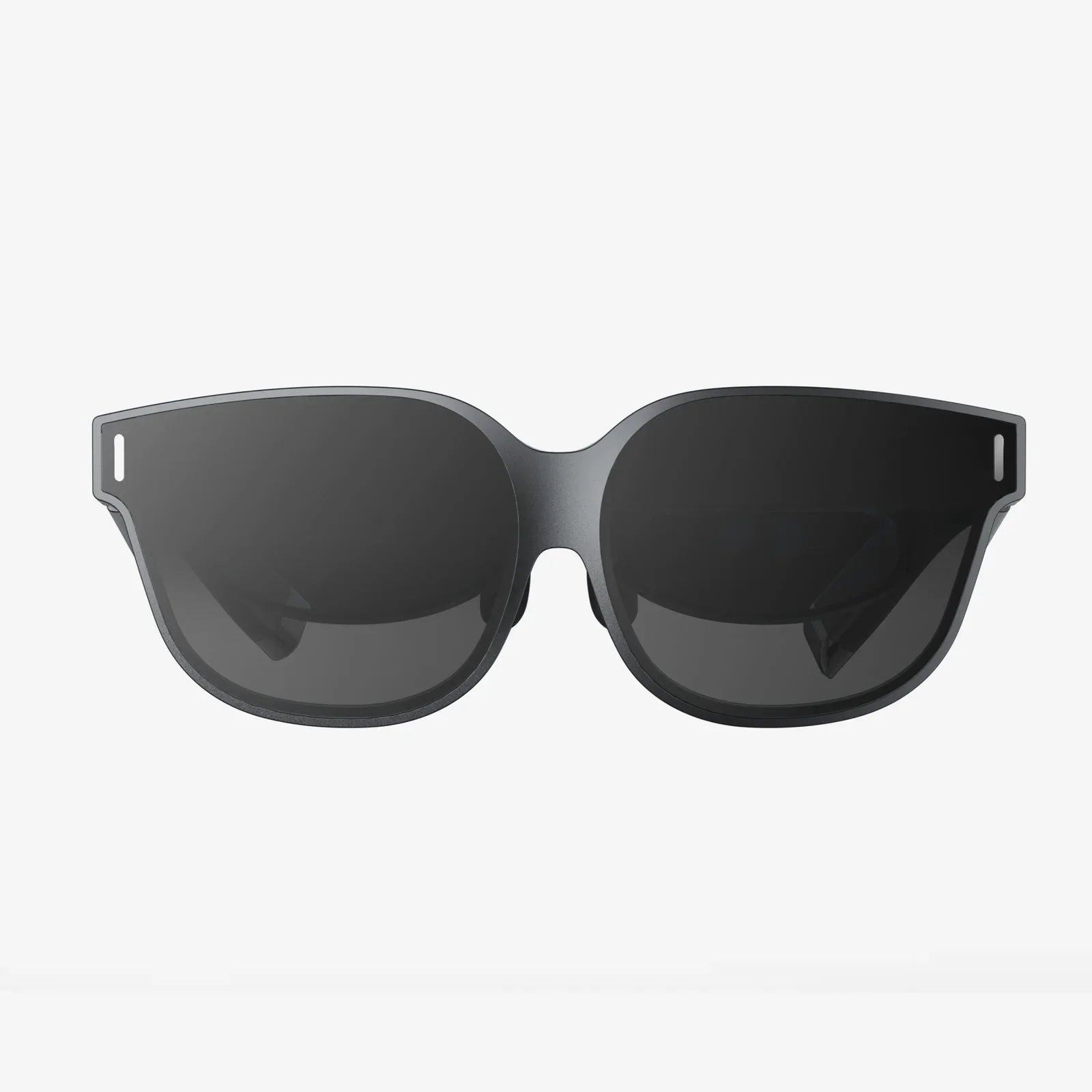
Imagine a world where your jacket doesn’t just keep you warm but responds to your mood, shifting colors in a silent symphony of emotion. Envision a ring that doesn’t just accessorize but translates the hand movements of a sign language speaker into audible speech in real-time. This is no longer the realm of science fiction; it is the burgeoning, dynamic, and profoundly human-centered frontier of creative wearables. This technological movement is pushing beyond the utilitarian confines of step-counting wristbands, weaving computation and connectivity into the very fabric of our being, transforming our clothing and accessories into interactive canvases for expression, connection, and augmentation.
Beyond the Wrist: Redefining the Very Concept of Wearables
For over a decade, the term "wearable technology" has been largely synonymous with fitness trackers and smartwatches. These devices, while powerful, primarily function as external data hubs—mini-computers strapped to the body. Creative wearables represent a paradigm shift. They are not about wearing technology; they are about embodying it. The technology ceases to be a distinct device and becomes an integrated, often invisible, element of the material itself.
The core philosophy moves from monitoring to interacting, from informing to experiencing. A creative wearable might be a dress woven with fiber optics that visualizes metropolitan data streams, a headpiece that translates brainwave activity into generative soundscapes, or a pair of shoes that harness kinetic energy from a walk to power personal electronics. The body becomes the interface, and the wearable becomes a second skin—a responsive, intelligent layer between our inner selves and the outer world.
The Confluence of Disciplines: Where Art Meets Engineering
The creation of these pieces is inherently interdisciplinary, demanding a rare fusion of skills that breaks down traditional silos. It is a field where fashion designers collaborate with software engineers, where textile artists partner with data scientists, and where sculptors work alongside robotics experts.
- Material Science: The development of new, "smart" materials is the bedrock of this field. This includes conductive yarns and fabrics that can transmit data and power, thermochromic and photochromic inks that change color with heat or light, and shape-memory alloys that can change form in response to electrical stimuli.
- Fashion and Design: Aesthetic, form, and wearability are paramount. The most successful creative wearables are not just functional; they are beautiful, provocative, and thoughtfully designed for the human form. They draw from centuries of sartorial knowledge to create pieces that are comfortable, expressive, and socially relevant.
- Software and Data: The behavior of a wearable is dictated by its code. Programmers and interaction designers create the logic that transforms input (a heartbeat, a tweet, a change in ambient noise) into a meaningful output (a pulse of light, a shift in pattern, a haptic vibration).
- Art and Storytelling: At its heart, this is a form of artistic expression. Designers use wearables to tell stories, critique society, explore identity, and create shared experiences. They are wearable sculptures and kinetic performances.
The Building Blocks of an Interactive Future
The magic of creative wearables is powered by a sophisticated stack of hardware and software components, all miniaturized and integrated seamlessly into textiles and accessories.
- Microcontrollers: These are the tiny, programmable brains of the operation, such as Arduino or Adafruit boards, which process input and control output.
- Sensors: These are the organs, gathering data from the wearer and their environment. This includes biometric sensors (heart rate, muscle activity, brainwaves), environmental sensors (temperature, humidity, air quality), and motion sensors (accelerometers, gyroscopes).
- Actuators: These are the components that create change—the outputs. This includes LEDs, speakers, small motors for movement, and elements that provide haptic feedback.
- Power Systems: The eternal challenge. Solutions range from small, flexible lithium polymer batteries to innovative energy harvesting methods like solar, kinetic, and thermal conversion.
- Connectivity: Many wearables connect to the internet or other devices via Bluetooth or Wi-Fi, allowing them to pull in live data or become part of a larger networked installation.
From the Catwalk to the Clinic: The Expansive Applications
The potential applications for creative wearables stretch far beyond high-concept fashion shows and art galleries. They are poised to revolutionize numerous aspects of our lives.
Expressive Fashion and Performance Art
This is the most visible domain. Designers are creating garments that react to music on a dance floor, change patterns based on social media sentiment, or illuminate in sync with a wearer's breathing. In theater and performance, wearables are creating breathtaking visual spectacles, where a performer's costume becomes an active participant in the narrative, responding to their movements and emotions in real-time.
Healthcare and Wellbeing
Here, creative wearables move from expressive to essential. Imagine:
- Subtle, sensor-embedded clothing for the elderly that can detect falls and monitor vital signs without the stigma of a medical device.
- Biofeedback garments for mental health, helping individuals manage anxiety by visualizing their breath or heart rate and guiding them towards calm.
- Rehabilitation suits that use haptic feedback to guide stroke patients through physical therapy movements.
- Social assistive devices, like the aforementioned sign language-translating glove, that break down communication barriers.
Social Connection and Empathy
Some of the most poignant projects use wearables to foster empathy and connection. Partners in long-distance relationships have worn paired bracelets that gently glow when the other person touches theirs. Jackets have been created that allow a wearer to "send a hug" to a friend far away, replicating the pressure and warmth through integrated actuators. These projects use technology not to replace human interaction, but to bridge physical gaps and create new, tangible forms of intimacy.
Navigating the Challenges: The Road Ahead
Despite the exciting potential, the path forward for creative wearables is fraught with technical, ethical, and commercial hurdles.
- Washability and Durability: How do you create a machine-washable garment with hundreds of delicate electronic connections? Robust encapsulation and the development of truly textile-integrated circuits are critical.
- Power Consumption: The quest for longer battery life and more efficient energy harvesting continues. The ideal wearable would be self-powering, drawing energy from the sun, motion, or body heat.
- Privacy and Data Security: A wearable that reads your biometric data is also a surveillance device. Robust frameworks for data ownership, consent, and security are non-negotiable to prevent misuse.
- Commercial Viability and Mass Production: Moving from one-off artisanal prototypes to scalable, affordable products is a monumental challenge for an industry that sits at the crossroads of craft and mass production.
The Human Element: Technology as a Second Skin
Ultimately, the significance of creative wearables lies not in their processing power or connectivity, but in their ability to enhance and redefine human experience. They represent a more intimate and natural way of interacting with technology. Instead of looking down at a screen, we are invited to look inward and outward—to become more aware of our own bodies and more connected to our environment and each other.
This field challenges us to see technology not as a cold, impersonal force, but as a medium for artistry, a tool for wellbeing, and a thread in the social fabric. It asks what it means to be human in an increasingly digital age and suggests that the future of technology may not be in our hands, but on our sleeves, woven into our identities, and worn close to the skin as a testament to our creativity and our desire to connect.
The next time you get dressed, consider the potential slumbering in the threads of your clothes. The future of personal technology won't be held in your hand; it will be felt on your skin, seen in the responsive glow of your attire, and experienced as a deeper, more seamless dialogue between your body and the digital world. The revolution will not be downloaded; it will be worn.
Share:
Wearables AR Smart Glasses News Today: The Invisible Revolution Reshaping Reality
Wearables AR Smart Glasses News Today: The Invisible Revolution Reshaping Reality