


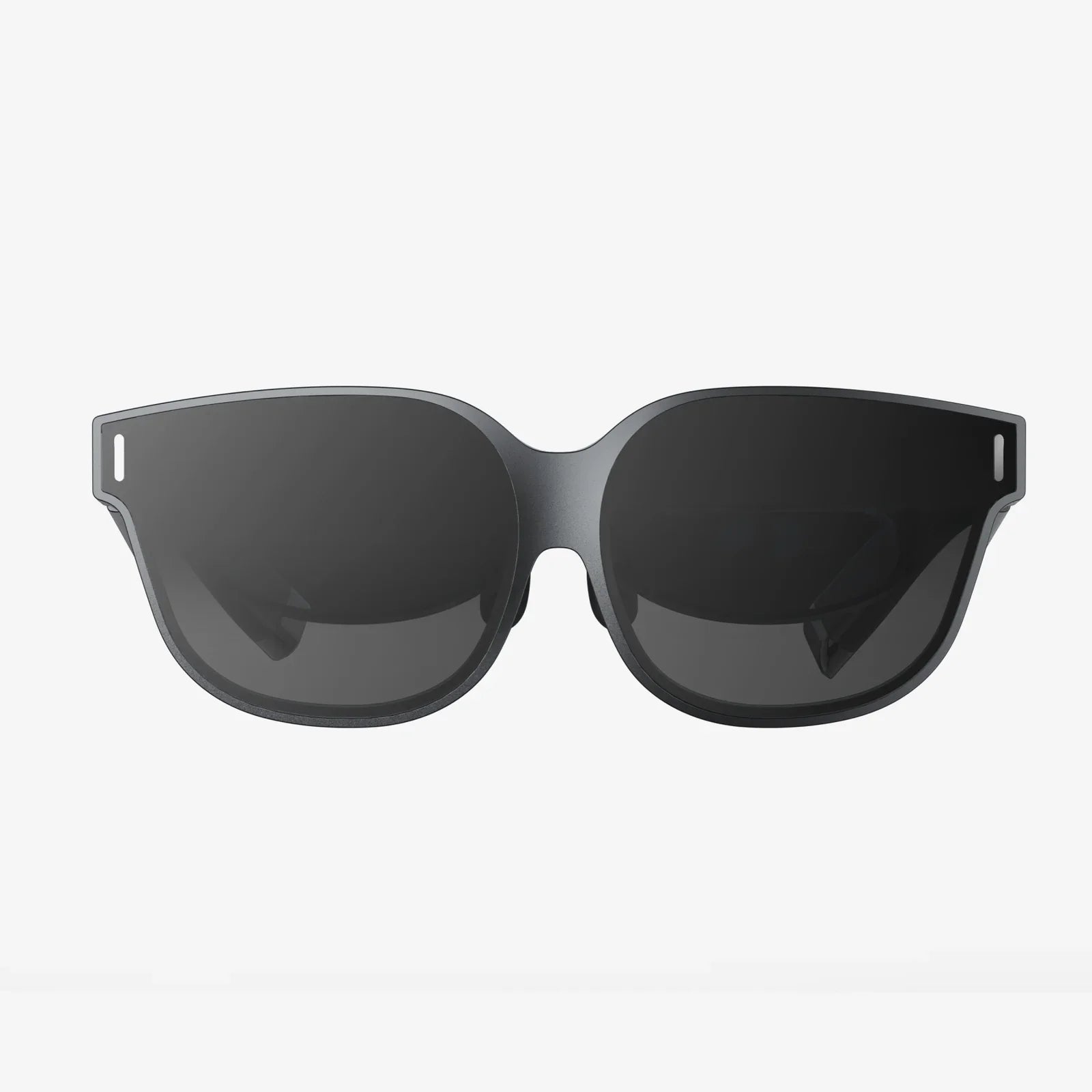
Imagine stepping inside a human heart as it beats, walking through a building that hasn't been constructed yet, or practicing a complex surgical procedure dozens of times without ever touching a real patient. This is no longer the stuff of science fiction; it is the powerful and practical reality of virtual reality technology today. While often associated with immersive gaming and futuristic entertainment, VR has quietly and decisively burst through those confines, establishing itself as a critical tool in industries as varied as healthcare, education, manufacturing, and mental wellness. The current uses of virtual reality represent a paradigm shift in how we learn, work, heal, and connect, moving beyond novelty to deliver tangible, life-changing outcomes. This deep dive explores the multifaceted and rapidly evolving landscape of VR applications that are actively shaping our present and building our future.
The Digital Operating Theater: Revolutionizing Healthcare and Medicine
The healthcare sector has emerged as one of the most profound beneficiaries of virtual reality technology. Its ability to create risk-free, highly detailed, and repeatable simulations is saving lives, reducing costs, and improving patient outcomes on a global scale.
Surgical Training and Planning
For decades, surgical training relied on cadavers, observation, and a gradual, high-stakes progression to operating on live patients. VR has dismantled this model. Surgeons and medical students can now don a headset to enter a hyper-realistic simulation of the human body. They can practice intricate procedures, from laparoscopic surgeries to complex spinal operations, using virtual instruments that provide haptic feedback, mimicking the resistance and feel of real tissue. This allows for countless hours of perfecting technique without any risk. Furthermore, VR is used for pre-operative planning. By converting MRI and CT scan data into 3D models, a surgical team can “walk through” a patient-specific anatomy, examining tumors, vascular structures, and surgical pathways from every angle before making a single incision. This meticulous preparation leads to shorter operation times, reduced blood loss, and significantly improved surgical precision.
Pain Management and Physical Rehabilitation
VR’s power to fully immerse the human mind is being harnessed as a powerful non-pharmaceutical analgesic. For patients suffering from severe burn wounds, changing bandages is an excruciatingly painful process. By immersing these patients in a calming, interactive virtual world like “SnowWorld,” where they throw snowballs at penguins, their attention is diverted from the pain signals, leading to a documented and substantial reduction in their perceived pain levels. Similarly, in physical rehabilitation, VR transforms repetitive and often monotonous exercises into engaging games. A patient recovering from a stroke or a spinal cord injury might be tasked with virtually catching objects or navigating a course, which motivates them to complete their therapy regimens with greater adherence and enjoyment, thereby accelerating recovery.
Exposure Therapy and Mental Health Treatment
Psychologists and psychiatrists are using VR as a controlled and safe medium for exposure therapy. Patients dealing with phobias (such as fear of heights, flying, or spiders) or PTSD can be gradually and systematically exposed to their triggers within the virtual environment. A therapist can carefully adjust the intensity of the exposure (e.g., starting on a low virtual balcony and gradually moving higher) while monitoring the patient's anxiety and providing coping mechanisms in real-time. This safe, confidential, and highly effective method is revolutionizing the treatment of anxiety disorders.
Building Tomorrow, Today: VR in Architecture, Engineering, and Construction (AEC)
The AEC industry has embraced VR as an indispensable tool for design, collaboration, and client engagement, moving far beyond traditional blueprints and 3D renders.
Immersive Design Reviews and Client Presentations
Architects and designers now use VR to create immersive walkthroughs of their projects long before the foundation is poured. Instead of trying to interpret a 2D drawing or a flat screen animation, clients and stakeholders can put on a headset and actually experience the scale, spatial relationships, and lighting of a proposed building. They can walk through rooms, check sightlines, and assess the flow of a space, providing feedback that is informed by real experience rather than imagination. This leads to better design decisions, fewer costly change orders during construction, and vastly superior client satisfaction.
Enhanced Safety Training and Construction Planning
On construction sites, safety is paramount. VR is used to train workers on safety protocols by simulating high-risk scenarios like crane operations, working at heights, or dealing with hazardous materials without any actual danger. Workers can learn from mistakes in a consequence-free environment. Furthermore, project managers use VR to visualize and plan the complex sequencing of construction, identifying potential logistical clashes between systems (e.g., plumbing vs. electrical conduits) before they become expensive on-site problems.
The Virtual Classroom: Transforming Education and Corporate Training
Education is being fundamentally transformed by VR’s ability to create experiential and empathetic learning experiences that are impossible to replicate with textbooks or videos.
Experiential and Immersive Learning
Students are no longer just reading about ancient Rome; they can take a guided tour through a meticulously reconstructed virtual Colosseum. Medical students can dissect a virtual cadaver from every angle. Astronomy students can float in space alongside the International Space Station. This level of immersion boosts knowledge retention, sparks curiosity, and provides access to experiences that would be logistically impossible or prohibitively expensive in the real world. VR enables a form of “educational tourism” that democratizes learning.
Soft Skills and Empathy Development
Perhaps one of the most powerful educational applications is in fostering empathy and teaching soft skills. Programs have been developed that allow someone to experience the world through the eyes of a person with a disability, such as autism or macular degeneration. In the corporate world, VR is used for training in leadership, public speaking, and diversity and inclusion. Employees can practice difficult conversations with AI-powered virtual humans, receiving feedback on their tone, body language, and word choice in a safe, repeatable practice environment.
New Frontiers of Work and Collaboration
The concept of the office is being redefined by virtual reality, especially with the rise of remote and hybrid work models.
The Virtual Workspace and Remote Collaboration
VR meeting platforms are evolving beyond simple video calls to create persistent virtual workspaces. Teams scattered across the globe can meet as lifelike avatars in a virtual boardroom, around a virtual 3D model of a new product, or on a virtual prototype of a factory floor. They can interact with 3D data, share virtual whiteboards, and experience a sense of “presence” that flat screens cannot provide. This fosters a stronger sense of connection and enables more nuanced and productive collaboration on complex spatial problems than traditional teleconferencing ever could.
Virtual Prototyping and Design
Industries that design and engineer complex products, from automobiles to aerospace, use VR for virtual prototyping. Engineers can immerse themselves in a full-scale model of a new vehicle's interior to assess ergonomics, sightlines, and control placement long before a physical prototype is built. This accelerates the design iteration process, saves millions in prototyping costs, and leads to better-designed, more user-friendly products.
Beyond the Expected: Retail, Tourism, and Real Estate
Consumer-facing industries are leveraging VR to bridge the gap between imagination and reality, offering try-before-you-buy experiences that were previously unimaginable.
Virtual Try-Ons and Showrooms
The retail sector is experimenting with virtual fitting rooms, allowing online shoppers to see how clothes, glasses, or makeup might look on their own avatar or via augmented reality. Automotive companies offer virtual showrooms where potential buyers can configure a car to their exact specifications and then take it for a virtual test drive, all from their home.
Virtual Property Tours and Travel Previews
In real estate, VR tours allow prospective buyers to explore properties remotely, saving time for both agents and clients. They can walk through dozens of homes in an afternoon without leaving their couch. Similarly, tourism boards and travel agencies use VR to offer breathtaking previews of destinations, hotels, and experiences, inspiring travelers and helping them make more informed vacation choices.
The shimmering potential of virtual reality is no longer a promise for tomorrow; it is a dynamic and impactful toolset being deployed today. From the surgeon’s steady hand guided by virtual practice to the student’s mind expanded by walking on Mars, VR is dissolving the barriers of distance, cost, and physical limitation. It is fostering empathy, enhancing safety, and driving innovation across the entire spectrum of human endeavor. This is not just about putting on a headset to escape our world; it is about using these immersive portals to understand, improve, and interact with our reality in deeper, more meaningful, and previously impossible ways. The virtual frontier is here, and it is already changing everything.
Share:
Windows Mixed Reality vs Virtual Reality: A Comprehensive Guide to Immersive Technologies
Is Virtual Reality Popular? The Meteoric Rise and Nuanced Reality of a Digital Revolution