


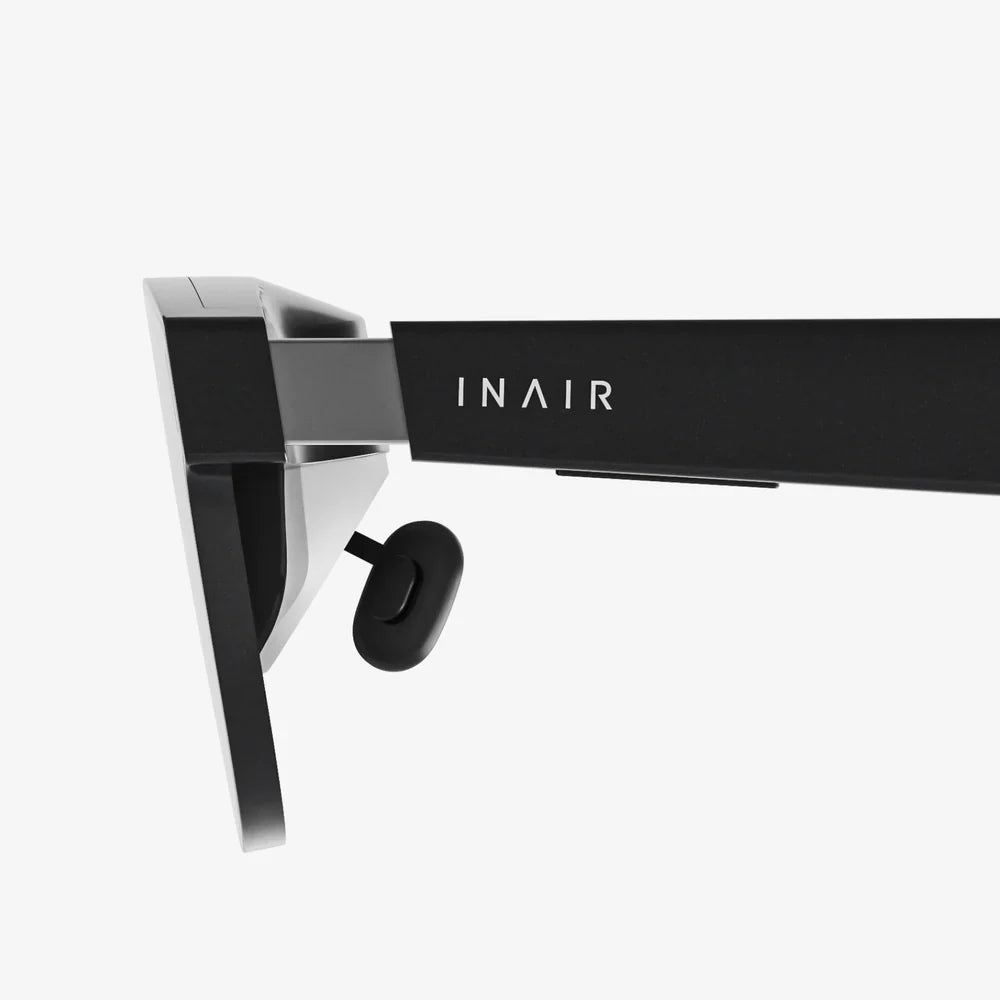
Imagine a world where the technology on your wrist doesn't just track your steps but understands your unique physiology, anticipates your needs before you even form the thought, and looks less like a mass-produced gadget and more like a piece of heirloom jewelry or a seamless second skin. This is no longer the stuff of science fiction; it is the burgeoning reality of customized mobile wearables, a technological revolution that is shifting the paradigm from one-size-fits-all to a future crafted exclusively for you. We are moving beyond mere personalization of watch faces into an era of deeply individualized technology that adapts to our bodies, our lives, and our identities.
The Evolution from Generic to Genuinely Personal
The journey of wearable technology began with a focus on universality. Early devices were engineering marvels, but they were designed for the average person, with generic algorithms and standardized form factors. They collected vast amounts of data, but the insights were often superficial. The limitations became quickly apparent: a fitness tracker that couldn't account for a user's specific gait or heart rate variability, or a smartwatch whose interface felt cluttered and irrelevant to a user's daily routine.
The first wave of change was personalization—allowing users to change bands, select digital watch faces, or toggle notification settings. This was a step in the right direction, but it was merely a surface-level adjustment. True customization goes far deeper. It involves the core functionality, the physical design, and the very purpose of the device being tailored to the individual. This shift is driven by a powerful convergence of advanced manufacturing techniques, sophisticated biosensing, and artificial intelligence, enabling a move from devices we wear to devices that are, in a very real sense, a part of us.
The Technological Pillars Powering Customization
The rise of customized mobile wearables is underpinned by several key technologies working in concert.
Advanced Manufacturing and Materials Science
The physical form of wearables is being transformed. 3D printing and laser sintering allow for the cost-effective creation of unique, complex geometries. This means a wearable can be printed to perfectly match the contours of an individual's wrist, ear, or head, enhancing comfort and sensor accuracy. Furthermore, new materials like flexible, biocompatible polymers, liquid metal alloys, and even biodegradable substrates are entering the fray. These materials allow for devices that bend, stretch, and move with the body, reducing irritation and enabling entirely new form factors, such as smart patches or textile-based sensors woven directly into clothing.
Sophisticated Sensing and Biometrics
Generic heart rate monitors are giving way to multi-sensor arrays capable of capturing a rich tapestry of physiological data. Modern wearables can now track everything from blood oxygen saturation (SpO2) and electrodermal activity (EDA) to core body temperature and advanced electrocardiogram (ECG) readings. The customization comes from how this data is interpreted. AI algorithms can learn a user's personal baselines for these metrics, allowing for far more precise and meaningful alerts. For instance, instead of a generic "high stress" notification, a customized device could recognize the specific physiological signature of an oncoming migraine for one user or a panic attack for another, triggering a personalized coping protocol.
Artificial Intelligence and Machine Learning
AI is the brain that makes customization intelligent and proactive. Machine learning algorithms sift through the continuous stream of personal data to identify patterns and correlations unique to the individual. This allows the wearable to evolve with its user. It can learn that a certain sleep pattern leads to lower productivity the next day and suggest an adjusted bedtime. It can recognize the specific vocal cadence that indicates a period of high focus and automatically silence notifications. This predictive, adaptive capability transforms the device from a passive recorder to an active, intelligent partner in managing health, wellness, and productivity.
Modular Hardware Architecture
The concept of modularity is crucial for functional customization. Imagine a core device—a sleek band or a small disc—that serves as a central hub for processing and connectivity. Users could then attach different, specialized modules depending on their needs for the day: a high-precision GPS module for an athlete's trail run, a advanced environmental sensor (air quality, UV exposure) for a construction worker, or a specific medical sensor for post-operative monitoring at home. This modular approach prevents technological obsolescence and empowers the user to define the device's primary function.
The Impact: Transforming Industries and Empowering Individuals
The implications of deeply customized wearables extend far beyond convenience, poised to disrupt numerous fields and fundamentally alter our relationship with technology and our own bodies.
Healthcare and Preventive Medicine
This is perhaps the most profound application. Customized wearables enable a shift from episodic, reactive healthcare to continuous, proactive health management. For patients with chronic conditions like diabetes, hypertension, or cardiac issues, devices can be tailored to monitor the most relevant biomarkers, providing doctors with real-world, real-time data far more valuable than a snapshot taken during an annual checkup. This facilitates remote patient monitoring, reducing hospital visits and enabling earlier interventions. Furthermore, by establishing ultra-personalized baselines, these devices can detect subtle deviations that signal the onset of illness long before obvious symptoms appear, ushering in a new era of truly preventive medicine.
Sports Performance and Human Optimization
Elite athletes have long sought every possible edge. Customized wearables provide it by offering insights tailored to their specific sport, physiology, and training goals. A runner's wearable could analyze running economy, ground contact time, and left-right balance to suggest form corrections. A weightlifter's device could monitor muscle fatigue and metabolic output to optimize recovery times. This granular, personal data allows for hyper-specific training regimens that maximize performance while minimizing the risk of injury, a concept now also being adopted by amateur enthusiasts seeking to improve their personal bests.
Accessibility and Inclusive Design
Customization has the power to make technology accessible to populations that standard devices often ignore. For individuals with physical disabilities, wearables can be custom-fabricated to interface with unique limb shapes or operated through alternative input methods like subtle muscle twitches (electromyography) or eye movements. For those with visual impairments, a wearable could translate environmental data into detailed haptic feedback or auditory cues. This level of customization ensures that the benefits of mobile technology can be universally experienced, fostering greater independence and inclusion.
Personal Expression and Digital Identity
Wearables are, after all, worn. They are part of our wardrobe and our identity. Customization allows them to be a form of self-expression. Platforms are emerging where users can co-design the aesthetic of their device, choosing materials, colors, and shapes that reflect their personal style—from minimalist and professional to bold and artistic. This merges the worlds of fashion and technology, ensuring that our devices enhance our personal aesthetic rather than detracting from it. Our digital identity, expressed through the data and interfaces on the device, becomes seamlessly integrated with our physical presentation to the world.
Navigating the Challenges: Privacy, Security, and the Digital Divide
This new frontier is not without its significant challenges. The very nature of customized wearables—collecting deeply intimate, continuous data—raises critical questions.
Data Privacy and Ownership: The data generated by these devices is among the most personal imaginable: a continuous readout of your body and mind. Who owns this data? How is it used? There is a tremendous risk of this information being exploited by third parties, such as insurance companies or employers, leading to discrimination based on health predispositions or cognitive states. Robust, transparent data governance frameworks are absolutely essential, built on principles of user ownership and explicit consent for every use case.
Security: A device that knows you better than you know yourself is a treasure trove for malicious actors. A security breach would be catastrophic, not just involving stolen credit card information but the theft of one's biological identity. Ensuring end-to-end encryption and implementing ultra-secure hardware is a non-negotiable prerequisite for the widespread adoption of these technologies.
The Digital Divide: There is a danger that the benefits of hyper-customized health and wellness technology could become a luxury available only to the wealthy, exacerbating existing health and social inequalities. Ensuring that these transformative tools are developed and priced accessibly is a crucial societal challenge that technologists and policymakers must address together.
The Future: A Seamless Extension of Self
Looking ahead, the trajectory of customized mobile wearables points toward even greater integration and invisibility. We are moving toward devices that are unnoticeable and ubiquitous—smart contact lenses, subdermal implants, and electronic tattoos that provide continuous feedback without any conscious effort from the user. The line between the biological and the technological will continue to blur.
These future devices will likely operate as part of an interconnected ecosystem, communicating seamlessly with other smart devices in our homes, cars, and cities to create a perfectly responsive environment. Your wearable might signal your smart home to adjust the lighting as it detects your rising stress levels, or your car could receive an alert of driver fatigue before it becomes dangerous.
The ultimate goal is a state of ambient computing, where the technology fades into the background, and the focus shifts entirely to the human experience it enhances. The device itself becomes unimportant; what matters is the effortless, personalized flow of information and action it enables.
The promise of customized mobile wearables is a world where technology finally bends to the human, not the other way around. It’s a future where your device is as unique as your fingerprint, a silent guardian that knows you, protects you, and empowers you to live a healthier, more productive, and more expressive life. The era of the generic gadget is ending, making way for a more intimate, intelligent, and profoundly human partnership with the technology we choose to wear.
Share:
Digital Workplace Work Productivity: The Ultimate Guide to Modern Efficiency
AI-Powered App Development Platform Comparison: A Guide to the Future of Building Apps