


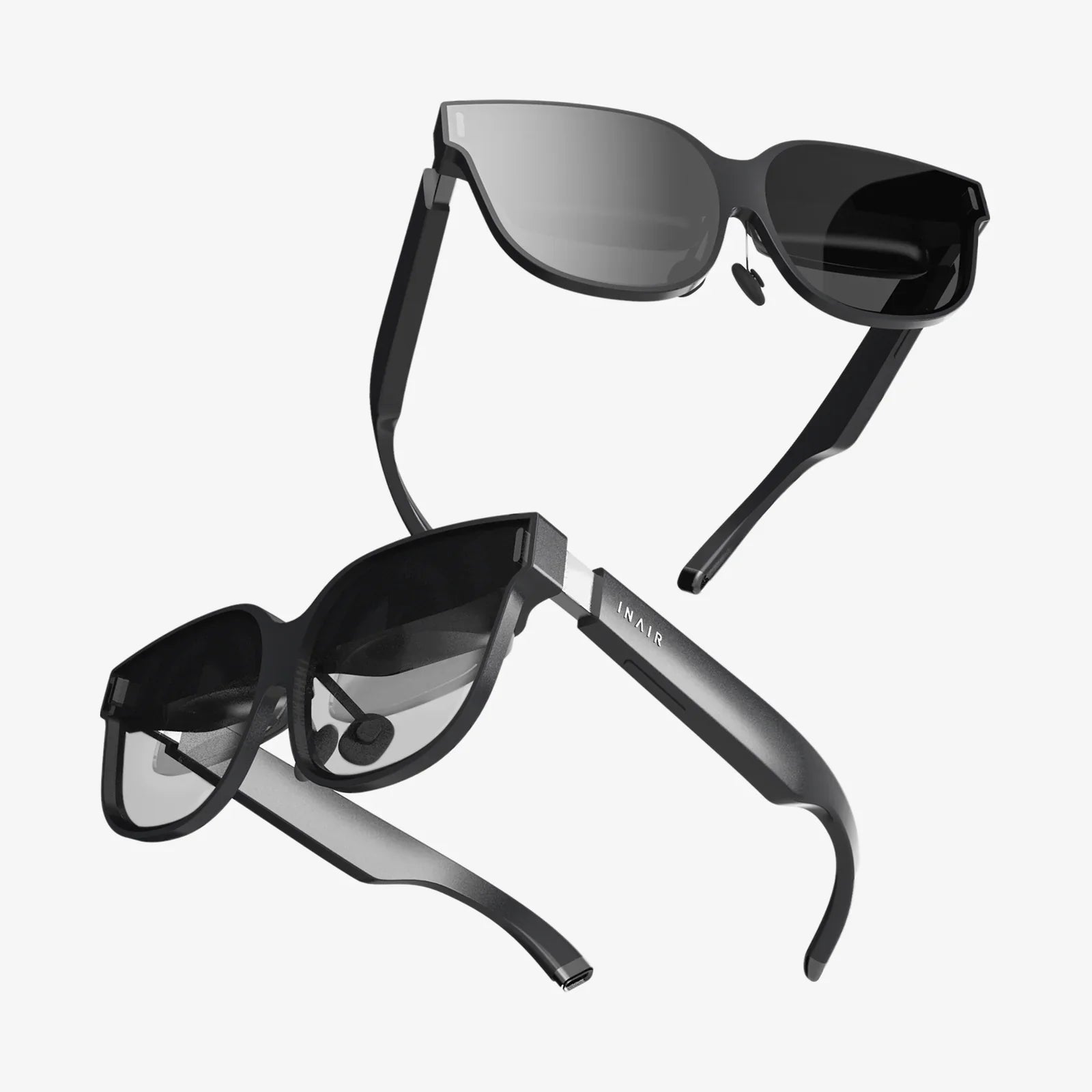
Imagine a world where your clothing monitors your vital signs, your glasses translate foreign text in real-time, and your ring can authorize payments with a gesture. This isn't a glimpse into a distant sci-fi future; it is the rapidly evolving present defined by wearable technology. Once a niche market for tech enthusiasts and early adopters, wearables have exploded into the mainstream, becoming one of the most dynamic and personal sectors of the tech industry. But to truly understand its impact and potential, we must first move beyond the gadgets and define wearable technology in its entirety—not just as what it is, but as what it represents: a fundamental shift in how humans interact with data and the digital world.
The Core of the Concept: A Foundational Definition
At its most fundamental level, wearable technology refers to electronic devices or computers that are incorporated into items of clothing and accessories which can be comfortably worn on the body. These devices are typically equipped with sensors, software, and connectivity features that enable them to collect, analyze, and transmit data. However, this basic definition only scratches the surface. The true essence of a wearable lies in its three core characteristics:
- User Intimacy and Embodiment: Unlike a smartphone in your pocket, a wearable is physically attached to the user, creating a continuous and intimate data stream. It becomes an extension of the self, measuring biological and environmental data from a first-person perspective.
- Contextual Awareness: Through a suite of sensors—accelerometers, gyroscopes, heart rate monitors, GPS, microphones—wearables are deeply aware of the user's context. They know if you are running, sleeping, stressed, or stationary, allowing for highly personalized and contextually relevant feedback.
- Seamless Interaction: The goal of advanced wearables is to minimize conscious interaction. Instead of requiring a user to stop and input data, they work passively in the background, providing insights and notifications only when necessary, often through haptic feedback or simple displays.
Therefore, a more complete definition describes wearable technology as a class of intimate, context-aware electronic devices that are embodied as accessories or clothing, designed to collect, analyze, and provide feedback on user-specific data to enhance personal productivity, health, fitness, and entertainment, often operating with minimal conscious effort from the user.
A Journey Through Time: The Evolution of Wearables
The concept of wearable technology is far older than most realize. Its story is not one of sudden invention but of gradual evolution, converging advancements in miniaturization, sensor technology, and wireless communication.
The Early Seeds: Function and Novelty
One could argue that the first wearable was the eyeglass, invented in the 13th century to augment human capability. In the modern era, the journey began in the 1960s with devices like the miniature calculator watch, which combined two common items into a novel, albeit limited, wearable. The 1980s saw the explosion of the digital wristwatch, making electronic wearables a common fashion statement. However, the true catalyst for the modern wearable revolution was the development of the accelerometer and its mass production, which paved the way for accurate motion tracking.
The Fitness Tracker Revolution
The early 2000s marked a pivotal shift with the introduction of dedicated wearable fitness trackers. These clip-on devices, and later wrist-worn bands, used accelerometers to count steps and estimate calories burned. They introduced the masses to the concept of quantified self—the practice of using technology to gather data on aspects of one's daily life. This was the first time consumer-grade wearables provided actionable health insights, creating a new market focused on personal wellness.
The Smartwatch Era and Mainstream Adoption
The next seismic shift was the arrival of the full-featured smartwatch. While early models existed, they gained critical mass in the mid-2010s. These devices were no longer just for fitness; they were miniature computers on the wrist. They could display smartphone notifications, run apps, play music, and, crucially, host a more advanced array of health sensors like optical heart rate monitors and blood oxygen sensors. This convergence of communication, computing, and advanced health tracking is what propelled wearables from a niche hobby into a global phenomenon.
The Present and Future: Specialization and Invisibility
Today, the wearable market is fragmenting and specializing. We see a move beyond the wrist with smart rings, which prioritize minimalism and sleep tracking; smart glasses, focused on enterprise applications and augmented reality; and smart clothing, with sensors woven directly into the fabric. The current trend is toward greater invisibility and specialization, with devices designed for a specific purpose (e.g., continuous glucose monitoring) or to be so unobtrusive they fade into the background of daily life.
Unpacking the Ecosystem: Key Categories of Wearables
The landscape of wearable technology is diverse, encompassing several distinct categories, each with its own unique applications and form factors.
Health and Fitness Monitors
This remains the largest and most popular category. Devices here are designed to provide insights into physical activity and well-being.
- Activity Trackers: The modern descendants of the pedometer, focused on steps, distance, calories, and sleep patterns.
- Advanced Health Monitors: These devices include features like ECG (electrocardiogram) to detect atrial fibrillation, blood oxygen saturation (SpO2) monitoring, and skin temperature sensing. They are blurring the line between consumer wellness and clinical health monitoring.
- Medical Wearables: Regulated by medical authorities, these are prescribed or used for managing specific conditions. Examples include continuous glucose monitors (CGMs) for diabetics, wearable ECG patches for long-term heart monitoring, and smart inhalers for asthma patients.
Smartwatches
The jack-of-all-trades, smartwatches combine fitness and health tracking with smartphone integration, communication, and entertainment. They serve as a central hub on the user's wrist, leveraging their prime location for quick glances and interactions.
Hearables
This category includes smart earbuds and hearing aids. Beyond playing audio, modern hearables feature active noise cancellation, real-time language translation, integrated voice assistants, and even biometric sensors for heart rate tracking from the ear, which can be remarkably accurate.
Smart Eyewear
Ranging from camera-equipped glasses for first-person video to full augmented reality (AR) headsets, smart eyewear aims to overlay digital information onto the physical world. While consumer AR glasses are still emerging, they hold immense potential for navigation, workforce training, and immersive gaming.
Smart Clothing and Footwear
By embedding sensors directly into textiles, smart clothing offers a truly unobtrusive wearable experience. Shirts can monitor respiration and posture, socks can analyze running gait, and shoes can track steps without any separate device. This category promises to make technology feel entirely natural and integrated.
The Engine Room: How Wearables Work
The magic of a wearable device is a symphony of hardware and software working in concert.
Sensors: The Data Gatherers
Sensors are the eyes and ears of any wearable. Common examples include:
- Accelerometer: Measures movement and acceleration.
- Gyroscope: Determines orientation and rotation.
- Optical Heart Rate Sensor: Uses green LED light to detect blood volume changes under the skin to calculate heart rate.
- GPS: Tracks location and distance outdoors.
- Microphone and Speaker: Enable audio input and output.
- Bioimpedance Sensors: Send a tiny, imperceptible electrical current through the body to measure metrics like body fat percentage and stress levels.
Software and Algorithms: The Brain
Raw sensor data is meaningless noise. Sophisticated algorithms act as the brain, interpreting this data. For example, an accelerometer's raw signal is processed by an algorithm to distinguish a running step from a driving motion. Machine learning models are increasingly used to provide more personalized and accurate insights, such as detecting the specific type of exercise being performed or identifying trends in sleep quality.
Connectivity: The Link
Most wearables are not standalone devices. They connect, typically via Bluetooth, to a smartphone app that serves as a rich dashboard for the user's data. This app allows for deeper analysis, long-term trend viewing, and data sharing. Many devices also connect directly to Wi-Fi or cellular networks for independence from a phone.
The Double-Edged Sword: Benefits and Challenges
Profound Benefits
- Empowerment Through Data: Wearables democratize health information, giving individuals unprecedented insight into their own bodies and behaviors, empowering them to make positive changes.
- Revolutionizing Healthcare: They enable remote patient monitoring, allowing doctors to track patients' health outside the clinic. This can lead to earlier intervention, better management of chronic diseases, and reduced healthcare costs.
- Enhanced Safety and Security: Features like fall detection for the elderly, emergency SOS calling, and location tracking provide peace of mind for users and their families.
- Increased Productivity and Convenience: Receiving notifications, controlling smart home devices, and making payments from your wrist create a more seamless and efficient daily flow.
Significant Challenges and Concerns
- Data Privacy and Security: Wearables collect incredibly intimate data. Who owns this data? How is it being used? Could it be sold to third parties or used by insurance companies? These are critical, unresolved questions.
- Accuracy and Reliability: While improving, consumer wearables are not medical devices. Relying on them for diagnostic purposes without clinical validation can be dangerous.
- Battery Life and Sustainability: The constant need to recharge wearables is a user experience hurdle. Furthermore, the environmental impact of producing and disposing of millions of small electronic devices is a growing concern.
- Digital Divide and Accessibility: High costs can limit access to the benefits of wearable technology, potentially exacerbating health disparities.
- Psychological Impact: The constant pursuit of data can lead to anxiety, obsession, or orthorexia (an unhealthy obsession with healthy eating and exercise).
The Horizon: The Future of Wearable Technology
The next decade will see wearable technology become even more integrated, intelligent, and invisible.
- Advanced Biometrics: Non-invasive blood pressure monitoring, continuous glucose monitoring without needles, and even early disease detection through biomarkers in sweat are all active areas of research.
- Brain-Computer Interfaces (BCIs): Companies are developing wearables that can interpret neural signals, potentially allowing users to control devices with their thoughts, offering new possibilities for individuals with disabilities.
- True Ambient Computing: Wearables will act as your personal proxy in the world, interacting with other smart devices (in your home, car, and city) seamlessly on your behalf, creating a truly personalized and responsive environment.
- Extended Reality (XR): Lightweight, powerful AR glasses will eventually replace smartphones, overlaying a digital layer of information onto our perception of reality for work, social interaction, and play.
- Emotional AI: Wearables may soon be able to detect user emotions through vocal tone analysis, heart rate variability, and other signals, allowing them to respond with empathy—playing calming music during stress or suggesting a break during frustration.
From a simple step count to a continuous, AI-powered health guardian, the journey to define wearable technology is an ongoing process. It is a story of miniaturization, data, and a deep desire to understand and enhance the human experience. The devices on our wrists today are just the beginning; the true potential lies in a future where technology doesn't just sit on our bodies, but works in harmony with them, creating a smarter, healthier, and more connected existence for all. The next chapter of this story is being written not in labs alone, but on the wrists, in the ears, and woven into the very fabric of our lives.
Share:
VR Under $200: Your Ultimate Guide to Affordable Virtual Reality
What Does HUD Stand For? The Ultimate Guide to Head-Up Displays