


The sleek device on your wrist is more than a timepiece; it’s a personal health coach, a digital wallet, a connection to your social world, and a window into your own body. This is the reality for millions, and the demand for wearable technology is not just a trend—it’s a fundamental shift in how we interact with technology and data about ourselves. From its humble beginnings as simple step-counters, the wearable tech market has exploded into a multi-faceted industry, propelled by a powerful and complex set of consumer desires and technological capabilities. The question is no longer if people will adopt wearables, but which ones they will choose and how deeply these devices will become woven into the fabric of daily life.
The Evolution of a Market: From Niche to Mainstream
The journey of wearable technology is a story of rapid maturation. Early devices were often clunky, single-purpose gadgets with limited battery life and questionable aesthetics. They appealed primarily to tech enthusiasts and fitness fanatics. The core demand was for basic activity tracking—counting steps, estimating calories burned, and monitoring sleep patterns. This initial value proposition was powerful but narrow.
The market's inflection point came with the convergence of several key technologies. The miniaturization of sensors, improvements in battery chemistry, the ubiquity of high-speed mobile connectivity, and the development of sophisticated algorithms for data analysis created a perfect storm. Suddenly, it became possible to pack a powerful suite of health and connectivity features into a device that was comfortable to wear 24/7. This technological leap transformed wearables from a niche hobby into a mainstream consumer electronics category, expanding the potential audience from millions to billions.
The Health and Wellness Revolution: The Primary Engine of Growth
If one had to pinpoint the single greatest driver of demand for wearable technology, it would be the global focus on health and wellness. Modern consumers are increasingly proactive about their health, seeking data and insights to make informed lifestyle choices. Wearables serve as the perfect conduit for this new paradigm of quantified self-care.
- Continuous Health Monitoring: Unlike a annual check-up, wearables provide a continuous stream of physiological data. Heart rate monitoring, once a premium feature, is now standard. This allows users to track resting heart rate, observe heart rate during exercise for optimized workouts, and even receive alerts for unusually high or low readings.
- The Sleep Economy: As science continues to reveal the critical importance of sleep for overall health, demand for sleep tracking has soared. Wearables now analyze sleep stages (light, deep, REM), duration, and quality, offering users personalized suggestions to improve their sleep hygiene.
- Advanced Medical-Grade Features: The line between consumer wellness and medical devices is blurring. Features like electrocardiogram (ECG) apps that can detect signs of atrial fibrillation, blood oxygen saturation (SpO2) sensors, and skin temperature tracking are moving from high-end devices to the mainstream. This capability empowers individuals with potential early warnings of health issues, creating a powerful, life-saving value proposition.
- Personalized Fitness Coaching: Wearables have evolved from passive trackers to active coaches. They can now guide users through complex workouts, provide real-time feedback on form and intensity, and adjust goals automatically based on performance and recovery data.
This focus on health has been particularly amplified by global health events, which made individuals more conscious of their vital signs and overall well-being, further accelerating adoption.
Connectivity and Convenience: The Seamless Digital Life
Beyond health, the demand is fueled by a desire for seamless connectivity and effortless convenience. In an increasingly digital world, people want access to information and tools without constantly reaching for their smartphones.
- Notification Hub: Wearables act as a filter for the constant barrage of smartphone notifications. A quick glance at the wrist allows users to triage calls, messages, and app alerts, deciding what requires immediate attention and what can wait, reducing digital distraction and increasing productivity.
- Contactless Payments: The integration of NFC technology for contactless payments has turned wearables into digital wallets. The ability to pay for groceries, coffee, or transit with a flick of the wrist offers unparalleled convenience and speed.
- Smart Ecosystem Control: For those invested in smart home ecosystems, a wearable can serve as a remote control for lights, thermostats, and security systems. Voice assistants built into these devices allow for hands-free operation, adding another layer of seamless integration into daily routines.
Fashion Meets Function: The Aesthetic Imperative
For a device that is worn on the body, aesthetics are not an afterthought; they are a primary purchasing factor. The early criticism of wearables being "techy" but not stylish has been addressed head-on. The market has segmented into distinct aesthetic categories:
- Sport and Performance: Designed with lightweight, durable materials like fluoroelastomer bands and aluminum casings, these models prioritize function, durability, and visibility during activity.
- Classic and Elegant: Recognizing that wearables need to transition from the gym to the boardroom, many manufacturers offer devices with stainless steel cases, leather bands, and minimalist watch faces that mimic traditional luxury timepieces.
- Customization and Personalization: Interchangeable bands, a vast selection of digital watch faces, and even customizable hardware allow users to express their personal style. This transforms the device from a piece of technology into a fashion accessory, dramatically broadening its appeal.
This focus on design ensures that the technology is not just accepted but desired as a part of one's personal identity and style.
Navigating the Challenges: Barriers to Overcome
Despite soaring demand, the wearable technology market faces significant hurdles that could temper its growth.
- Data Privacy and Security: These devices collect a treasure trove of deeply personal biometric and location data. Consumers are increasingly concerned about who owns this data, how it is being used, and how it is protected from breaches. Robust, transparent, and user-centric data policies are not a bonus but a necessity for sustaining long-term trust and demand.
- Battery Life Anxiety: While improving, battery life remains a pain point. The trade-off between powerful features and daily charging is a constant challenge. Breakthroughs in battery technology or ultra-low-power displays are needed to enable truly uninterrupted, week-long usage.
- Market Saturation and Differentiation: As the market matures, many devices begin to offer similar suites of features. Manufacturers must innovate beyond incremental improvements to create compelling reasons for upgrades and to attract new users. The next wave of demand will hinge on groundbreaking new health sensors or entirely new form factors.
- Accuracy and Regulatory Hurdles: As features become more medically oriented, the demand for clinical-grade accuracy increases. Gaining regulatory approval for these features is a complex and lengthy process, but it is essential for building credibility and trust in the data provided.
The Future Unfolds: What's Next for Wearable Demand?
The future of wearable technology is moving beyond the wrist. The demand is expanding into new, less intrusive form factors that promise even deeper integration into our lives.
- Smart Rings and Audio: Discreet smart rings are emerging, focusing on core health and activity tracking for those who find wrist-worn devices cumbersome. Similarly, advanced hearables (smart earbuds) are incorporating biometric sensors, translating them into health-monitoring hubs.
- Smart Fabrics and Patches: The next frontier involves embedding sensors directly into clothing or using disposable skin patches. This allows for continuous, clinical-grade monitoring in a completely unobtrusive way, potentially revolutionizing remote patient monitoring and preventive healthcare.
- Non-Invasive Biosensors: The holy grail for many is the development of non-invasive continuous glucose monitoring (CGM) and blood pressure tracking. Success in these areas would unlock massive demand from vast populations managing chronic conditions like diabetes and hypertension.
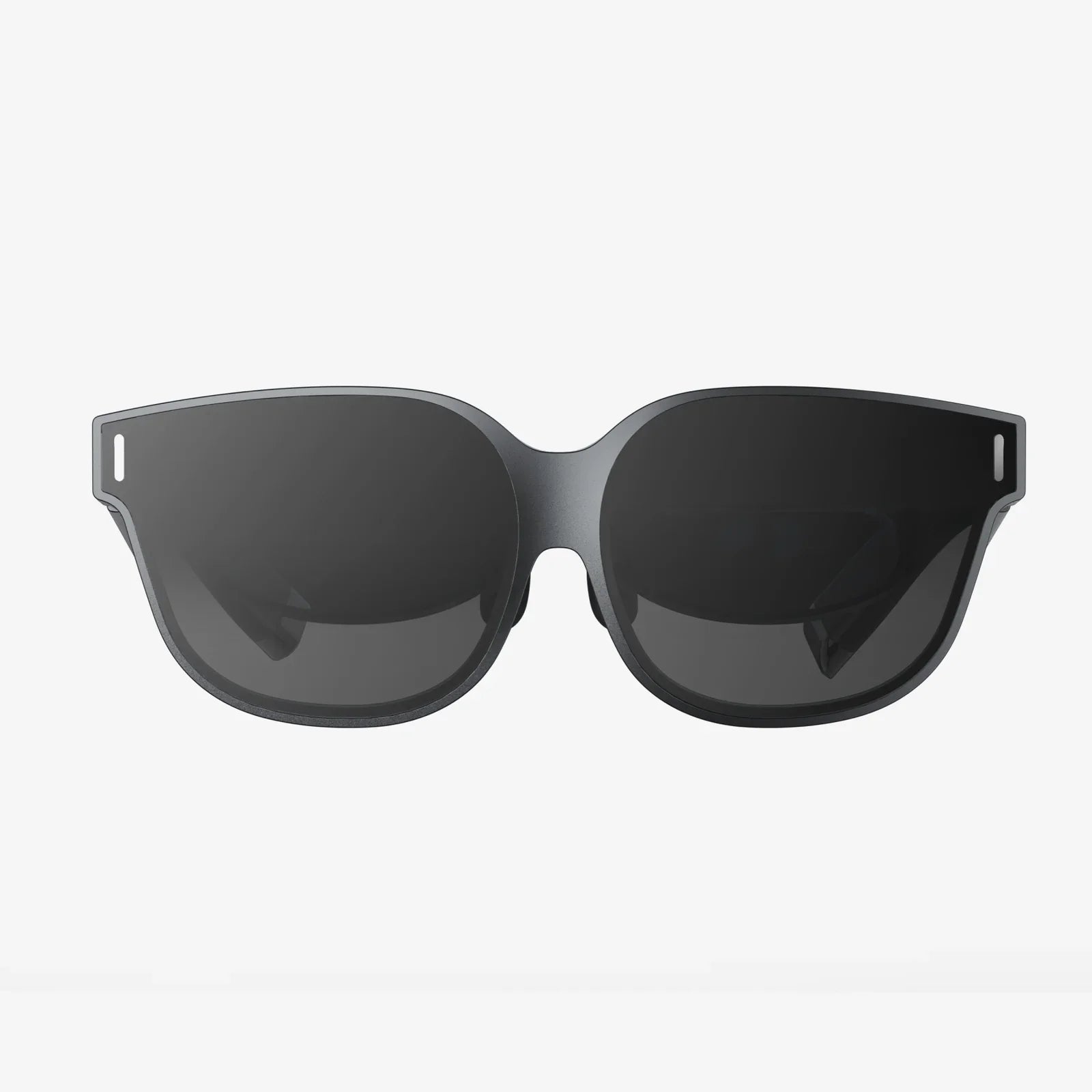
- Augmented Reality (AR) Glasses: While still in early stages, AR glasses represent the ultimate wearable—overlaying digital information onto the physical world. The demand for this technology could eventually supersede that of smartphones, creating a new paradigm for computing and interaction.
The trajectory is clear: wearables are becoming smaller, smarter, more specialized, and more integrated into the healthcare system. They are shifting from general-purpose devices to personalized health guardians and seamless interfaces for our digital lives.
Imagine a world where your clothing analyzes your posture, your ring warns you of an oncoming illness before symptoms appear, and your glasses display real-time translations of foreign street signs. This is not science fiction; it is the logical endpoint of the current demand curve for wearable technology. The desire to understand ourselves better, to connect more efficiently, and to live healthier, more convenient lives is a powerful and enduring human impulse. Wearable technology is the tool that is unlocking this potential, transforming our wrists, ears, and eyes into portals of personal empowerment. The data is in, and the demand shows no signs of slowing down—it’s only just beginning to pulse.
Share:
Develop Smart Device: A Comprehensive Guide to the Process, Challenges, and Future
Develop Smart Device: A Comprehensive Guide to the Process, Challenges, and Future