


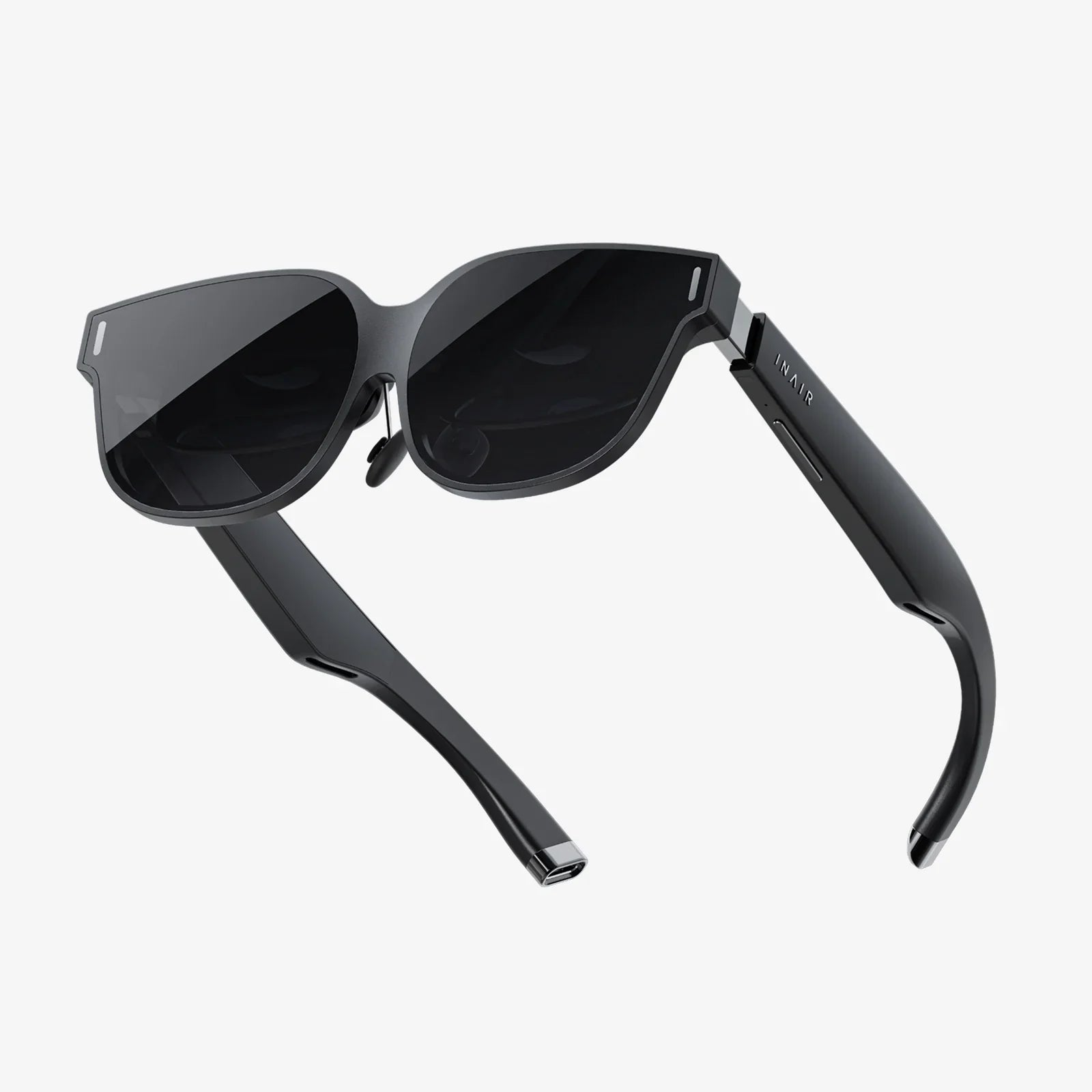
Imagine a world where your watch not only tells time but also warns you of an irregular heartbeat, where your glasses overlay digital directions onto the physical street before you, and where a simple ring can authenticate your identity and authorize payments. This is not a distant science fiction fantasy; it is the burgeoning reality brought to us by the rapid evolution of wearable computing devices. These sophisticated pieces of technology are weaving themselves into the very fabric of our daily existence, promising a future of enhanced convenience, unprecedented personal insight, and a seamless merger of the digital and physical realms. The revolution is not coming; it is already on our wrists, in our ears, and on our faces, quietly and fundamentally reshaping how we live, work, and interact with the world around us.
The Historical Trajectory: From Novelty to Necessity
The concept of wearable technology is far older than most realize. While the modern iteration is defined by digital smarts and connectivity, the desire to augment human capability with portable technology has deep roots. One of the earliest and most iconic examples was the wristwatch, which evolved from a 19th-century ladies' fashion accessory to a critical tool for soldiers in World War I. The 1960s and 70s saw the emergence of calculator watches and rudimentary head-mounted displays in research labs, concepts that were decades ahead of their time. However, the true catalyst for the modern wearable era was the miniaturization of computing components and the proliferation of the smartphone. The smartphone provided the essential blueprint: a powerful, connected computer that we carry with us at all times. Wearables took this a step further by integrating that computing power into devices that are always on us, and often always on, creating a continuous, intimate data stream. The journey from clunky, single-purpose prototypes to the sleek, multi-functional devices of today marks one of the most significant shifts in personal technology.
Defining the Ecosystem: A Taxonomy of Wearables
To describe wearable computing devices is to describe a vast and diverse ecosystem. They can be categorized based on their location on the body, their primary function, or their level of connectivity.
Wrist-Worn Devices
This is the most mature and popular category, dominated by smartwatches and fitness trackers. These devices act as an extension of the smartphone, providing notifications, health monitoring, and basic apps directly on the wrist. They are characterized by their sensors: optical heart rate monitors, accelerometers for tracking movement, gyroscopes, and increasingly, electrocardiogram (ECG) and blood oxygen sensors.
Head-Mounted Displays
This category encompasses both Virtual Reality (VR) and Augmented Reality (AR) headsets. VR devices fully immerse the user in a digital environment, primarily used for gaming, simulation, and training. AR devices, which are more aligned with the concept of wearable computing, overlay digital information—such as graphics, text, and data—onto the user's view of the real world. This has profound implications for fields like manufacturing, medicine, logistics, and navigation.
Smart Apparel and Hearables
Smart apparel integrates sensors and connectivity directly into clothing. This can include biometric shirts that monitor an athlete's form and vitals, smart shoes that track gait and distance, or safety vests for construction workers that monitor environmental hazards. Hearables, primarily wireless earbuds, have evolved beyond simple audio playback. They now feature active noise cancellation, real-time language translation, integrated voice assistants, and biometric monitoring like heart rate detection through the ear.
Specialized Medical and Industrial Devices
Beyond consumer gadgets, wearables form a critical part of the medical and industrial Internet of Things (IoT). Continuous glucose monitors (CGMs) for diabetics, smart patches that deliver medication or monitor vital signs, and exoskeletons that augment physical strength for factory workers or aid in rehabilitation are all powerful examples of wearable computing applied to solve specific, high-stakes problems.
The Technological Core: What Makes Them Tick
The magic of wearable computing devices is enabled by a sophisticated convergence of several core technologies.
Sensors: The Digital Nervous System
Sensors are the fundamental components that allow wearables to perceive the world and the user. They act as a digital nervous system, constantly gathering data. Common sensors include:
- Accelerometers and Gyroscopes: Measure movement, orientation, and step count.
- Optical Heart Rate Monitors: Use light to detect blood flow and calculate pulse.
- Global Positioning System (GPS): Tracks location and distance for outdoor activities.
- Bioimpedance Sensors: Measure electrical signals to estimate body composition or stress levels.
- Microphones and Speakers: Enable audio input and output for voice commands and communication.
- Electrocardiogram (ECG) Sensors: Measure the electrical activity of the heart to detect atrial fibrillation and other conditions.
Connectivity: The Circulatory System
Data is useless in isolation. Wearables rely on a suite of wireless protocols to transmit information to a smartphone or directly to the cloud. Bluetooth Low Energy (BLE) is the standard for connecting to a nearby phone, minimizing power consumption. Wi-Fi allows for larger data transfers and direct cloud connectivity. Some devices also incorporate cellular connectivity (e.g., LTE), allowing them to operate completely independently of a smartphone.
Processing Power and Battery Life: The Beating Heart
The constant tension in wearable design is between processing capability and battery life. These devices require incredibly efficient, low-power systems-on-a-chip (SoCs) that can handle sensor data fusion, run basic algorithms, and manage connectivity without draining the small battery. Innovations in low-power displays, efficient processors, and fast-charging technologies are crucial to their usability.
Software and Artificial Intelligence: The Brain
Raw sensor data is just noise. The true value is extracted through sophisticated software and algorithms, increasingly powered by artificial intelligence (AI) and machine learning (ML). AI is what transforms a stream of heart rate data into a personalized stress score. It's what enables a hearable to distinguish between a voice command and background noise. It analyzes sleep patterns, predicts potential health issues, and powers the contextual awareness that makes these devices feel truly smart.
The Impact: Transforming Industries and Empowering Individuals
The proliferation of wearable computing is not just a technological trend; it is a societal shift with wide-ranging implications.
Healthcare: From Reactive to Proactive
This is arguably the most impactful domain. Wearables are democratizing health monitoring, shifting the paradigm from episodic, reactive care in a clinic to continuous, proactive management in daily life. They empower individuals with data about their own bodies, encouraging healthier behaviors. For clinicians, the continuous data stream provides a richer, more objective picture of a patient's health between appointments, enabling earlier intervention and more personalized treatment plans. Remote patient monitoring for chronic conditions is becoming a practical reality, improving outcomes and reducing healthcare costs.
Fitness and Wellness: The Quantified Self
Wearables have created the "quantified self" movement, where individuals use data to optimize every aspect of their physical well-being. They provide motivation through goal setting and achievement badges, offer insights into workout efficiency, and track recovery metrics like sleep quality and heart rate variability. This data-driven approach has revolutionized personal fitness, making it more accessible and informed.
Enterprise and Productivity: The Augmented Worker
In industrial and field service settings, AR smart glasses are providing workers with hands-free access to information. A technician repairing a complex machine can see a schematic overlaid on the equipment itself. A warehouse picker can receive order information directly in their line of sight, streamlining the fulfillment process. This augmentation reduces errors, improves training, and significantly boosts productivity and safety.
The Double-Edged Sword: Challenges and Ethical Considerations
For all their benefits, the rise of wearable computing devices presents significant challenges that society must urgently address.
Data Privacy and Security
Wearables collect the most intimate data imaginable: our location, our bodily functions, our sleep patterns, and even our biometric identity. This creates a treasure trove for hackers and a target for commercial exploitation. Questions of who owns this data, how it is used, and who it is sold to are paramount. Robust encryption, transparent data policies, and strong regulatory frameworks like GDPR are essential to protect users.
Algorithmic Bias and Accuracy
The algorithms that interpret health data are not infallible. They can contain biases based on the data they were trained on, potentially leading to less accurate results for underrepresented groups. Furthermore, most consumer wearables are not classified as medical devices, meaning their accuracy is not held to the same rigorous standard. False positives can cause anxiety, while false negatives can create a dangerous false sense of security.
The Digital Divide and Societal Pressure
As these devices become more integral to health and social interaction, a new form of digital divide emerges between those who can afford them and those who cannot. There is also a growing societal pressure to constantly optimize oneself, leading to anxiety or orthorexia—an unhealthy obsession with healthy eating and fitness, fueled by constant data tracking.
Always-On Culture and Mental Health
The very feature that makes wearables powerful—their constant presence—also contributes to an "always-on" culture. The relentless stream of notifications and the pressure to meet daily activity goals can be a source of stress, potentially undermining the wellness benefits they purport to offer. The boundary between augmentation and intrusion is thin and constantly shifting.
The tiny computers we wear are no longer just accessories; they are portals to a new layer of reality, a silent partnership between human and machine that is redefining the limits of our potential. They offer a glimpse into a future where illness is predicted before it strikes, where knowledge is available at a glance, and where our environment responds to our presence and needs. Yet, this powerful technology demands a parallel evolution in our ethical frameworks, our privacy laws, and our own self-awareness. The ultimate challenge is not in building smarter devices, but in ensuring we wield this intimate data with wisdom, forging a future that is not only more connected but also more humane, equitable, and truly well.
Share:
Advantages of Artificial Intelligence: Reshaping Our World for the Better
Hyper-Personalization with AI and AR: The Ultimate Synthesis of Data and Experience