


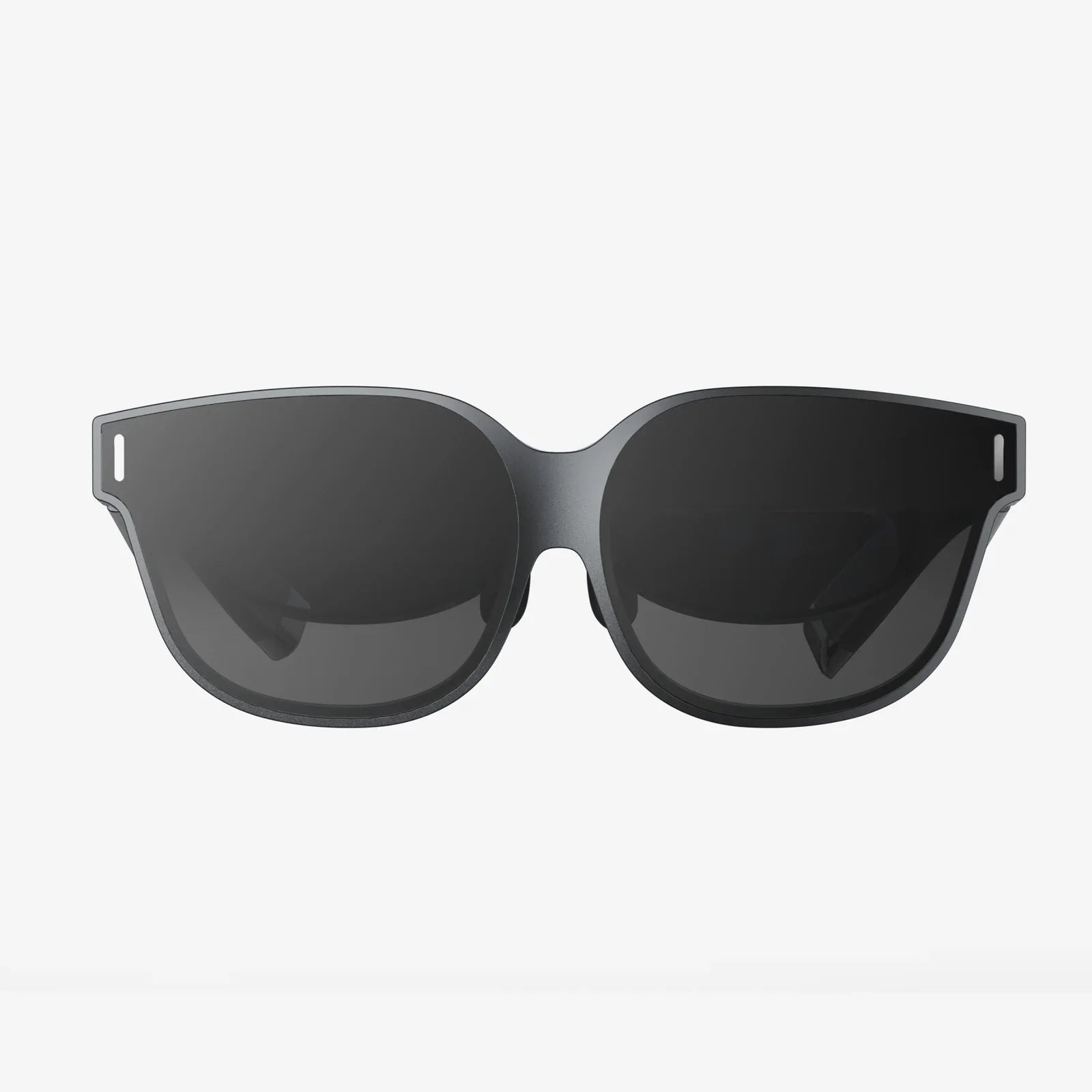
Imagine a world where your most powerful tool for connection, creation, and commerce fits in your pocket, travels in your bag, and is available the instant inspiration strikes. This is not a glimpse into a distant future; it is the reality shaped by the relentless pursuit of device portability in mobile computing. This single characteristic has fundamentally rewired our behavior, collapsed global distances, and unleashed a wave of innovation that continues to surge forward. The journey from room-sized mainframes to sleek, powerful slabs of glass and metal is one of the most transformative narratives in technological history, and its implications touch every facet of our modern existence.
The Pillars of Portability: More Than Just Size
True device portability is a sophisticated engineering ballet, not merely a matter of making things smaller. It rests on three fundamental pillars that work in concert to deliver a seamless mobile experience.
The Miniaturization Revolution
The most visible aspect of portability is physical size and weight. This has been driven by astonishing advancements in materials science, allowing for the use of lightweight yet strong alloys, polymers, and composites. The evolution of internal components is even more critical. The transition from hard disk drives (HDDs) to solid-state drives (SSDs) eliminated moving parts, drastically reducing size, weight, and power consumption while increasing durability and speed. Similarly, the relentless shrinking of transistors on semiconductor chips, following Moore's Law, has allowed for exponentially more processing power to be packed into an ever-smaller footprint. This miniaturization extends to every component, from logic boards to sensors, enabling the form factors we take for granted today.
The Power Within: Battery Technology
A device is only as portable as its power source allows it to be. Without a battery, even the smallest computer becomes a stationary brick. The development of lithium-ion and subsequent lithium-polymer battery technologies has been the unsung hero of the mobile revolution. These chemistries offer a high energy density, meaning they can store a significant amount of power for their size and weight. Battery life remains a primary constraint and a key area of innovation, with research focused on new materials like graphene and solid-state electrolytes that promise faster charging, higher capacity, and longer lifespans. Power efficiency in processors and displays is equally important; a more efficient chip can do more work with the same amount of energy, directly extending the device's untethered usability.
The Invisible Tether: Connectivity
Portability is rendered meaningless without the ability to connect. The proliferation of wireless technologies has been the final, crucial piece of the puzzle. Wi-Fi standards have evolved from a niche convenience to a ubiquitous high-speed data conduit. Cellular networks have progressed through generations, from basic voice and text (2G) to the high-bandwidth, low-latency promise of 5G, which enables truly mobile high-definition streaming, cloud gaming, and real-time collaboration. Bluetooth connects us to a universe of peripherals—headphones, keyboards, smartwatches—freeing devices from a tangled mess of wires. This constant, often invisible, connectivity is what transforms a portable device from an isolated island of computing into a window to the entire world.
The Ripple Effect: How Portability Reshaped Society
The impact of portable computing devices extends far beyond convenience. It has triggered a seismic shift in how we work, socialize, learn, and engage with the world around us.
The Demise of the Desk: The Remote Work Revolution
Portability dissolved the physical boundaries of the office. The combination of powerful laptops, ubiquitous Wi-Fi, and robust cloud-based collaboration tools (video conferencing, shared documents, project management platforms) made it possible to perform knowledge work from anywhere. This shift, dramatically accelerated by global events, has redefined work-life balance, altered urban planning, and created a new globalized talent pool. The traditional 9-to-5 desk job is no longer the default for millions, thanks entirely to the portability of the tools required to do their jobs.
A World of Information in Your Palm
Access to information has been democratized on an unprecedented scale. With a portable device, the sum of human knowledge is available instantaneously, anywhere there is a signal. This has revolutionized education, allowing for self-directed learning and access to online courses from top universities. It has transformed how we navigate the physical world through maps and GPS, discover new restaurants, and consume news. This constant access has empowered individuals but also created challenges around information overload, misinformation, and the digital divide.
The Rise of the Creator and the On-Demand Economy
Powerful portable devices have put professional-grade creative tools in everyone's hands. High-quality cameras, video editing software, music production apps, and graphic design platforms enable individuals to create and publish content from a coffee shop or a park bench. This has fueled the creator economy. Simultaneously, portability is the backbone of the on-demand gig economy. Ride-sharing drivers navigate with their phones, delivery drivers manage orders through apps, and taskers receive assignments on the go. The device itself becomes the interface for earning a living, perfectly blending mobility with productivity.
Hyper-Socialization and the Attention Economy
Social interaction has been permanently altered. Portable devices ensure we are always connected to our social networks through messaging, social media, and sharing platforms. This fosters a sense of constant community and immediacy but also introduces new social dynamics, such as the pressure to be always available and the comparison culture fueled by curated online lives. This constant connectivity is the engine of the attention economy, where platforms compete for our most valuable resource: time. The portability of the screen means this competition follows us everywhere.
Challenges and Considerations in a Portable World
The age of ultimate portability is not without its significant drawbacks and complex challenges that society continues to grapple with.
The Security Tightrope
The very features that make devices portable also make them vulnerable. A device that travels is far more susceptible to being lost or stolen, putting sensitive personal and corporate data at risk. Connectivity over public Wi-Fi networks introduces threats of interception and hacking. This necessitates robust security measures like strong encryption, multi-factor authentication, and remote wipe capabilities. The constant connection also expands the attack surface for malware and phishing attempts, requiring users to be more vigilant than ever before.
Ergonomics and Health
The human body was not designed to hunch over a small screen for hours on end. The portability of devices often leads to poor ergonomic practices, contributing to a rise in issues like "text neck," eye strain, and repetitive strain injuries. Furthermore, the always-on culture facilitated by portability can lead to digital burnout, sleep disruption due to blue light exposure, and increased anxiety. Finding a healthy balance between utilizing these powerful tools and disconnecting is an ongoing personal and societal challenge.
Environmental and Ethical Costs
The rapid cycle of innovation and device replacement creates a substantial environmental footprint. The manufacturing process for these complex devices consumes rare earth elements and significant energy. At the end of their life, electronic waste (e-waste) poses a serious disposal problem, with toxic materials potentially leaching into the environment if not recycled responsibly. The pursuit of ever-thinner, lighter, and more powerful devices often comes at an ethical cost as well, concerning labor practices in manufacturing supply chains and the sourcing of conflict minerals.
The Next Frontier: The Future of Portable Computing
The trajectory of device portability points toward even more seamless and integrated experiences, blurring the lines between the physical and digital worlds.
Wearables and Ambient Computing
The next step beyond pocketable is wearable. Smartwatches, fitness trackers, and smart glasses represent the vanguard of this trend. The goal is ambient computing, where technology recedes into the background of our lives, providing information and functionality without requiring active engagement with a screen. Imagine smart glasses that overlay navigation prompts onto the real world or earbuds that translate languages in real-time during a conversation. Portability becomes intimacy, with the device acting as a seamless extension of the self.
The Power of the Edge and 5G/6G
Future networks like advanced 5G and eventual 6G will offer not just faster speeds but radically lower latency and the ability to connect a massive number of devices simultaneously. This will supercharge mobile computing by enabling complex processing to be offloaded to the cloud in real-time (edge computing). A portable device could leverage the power of remote data centers for demanding tasks like AI-driven augmented reality or high-fidelity rendering, all without sacrificing battery life or requiring bulky internal hardware. The device itself becomes a portal to vast, remote computational power.
Flexible and Foldable Form Factors
To combat the screen-size versus portability trade-off, engineers are pioneering new physical designs. Flexible displays and foldable form factors allow a device to be compact when carried but unfold to provide a tablet-sized canvas for work or entertainment. This represents a new chapter in the miniaturization story, focusing not on making devices smaller but on making their screen real estate more versatile and adaptable to different contexts, further enhancing their utility on the go.
The quiet hum in your pocket is more than a gadget; it is the culmination of a decades-long quest to unshackle human potential from a fixed location. Device portability in mobile computing has woven itself into the very fabric of daily life, erasing old limitations and creating new horizons for work, creativity, and human connection. As this technology continues its inevitable march toward greater invisibility and integration, the most profound question shifts from what these devices can do, to how we, as a society, will choose to harness this boundless connectivity to build a better, more balanced future.
Share:
AI Make Better: How Artificial Intelligence is Reshaping Our World for the Better
Upcoming AR Glasses Release 2025: The Dawn of a Seamless Digital Reality