


- by wangfred
Difference Between AR and VR Technology: A Comprehensive Guide to Our Digital Future
- by wangfred
Imagine a world where digital information overlays your morning commute, highlighting the best coffee shops and the day's specials on restaurant windows. Now, imagine being instantly transported from your living room to the surface of Mars, walking alongside rovers and gazing at a foreign sky. These are not distant sci-fi fantasies; they are the present and future realities being shaped by two of the most transformative technologies of our time: Augmented Reality and Virtual Reality. While often mentioned in the same breath, they offer profoundly different experiences and serve distinct purposes. Understanding the difference between AR and VR technology is the first step to grasping how they will reshape everything from how we work and learn to how we connect and play.
At its heart, the difference between AR and VR technology is a philosophical one. It’s the difference between enhancing your existing reality and replacing it entirely.
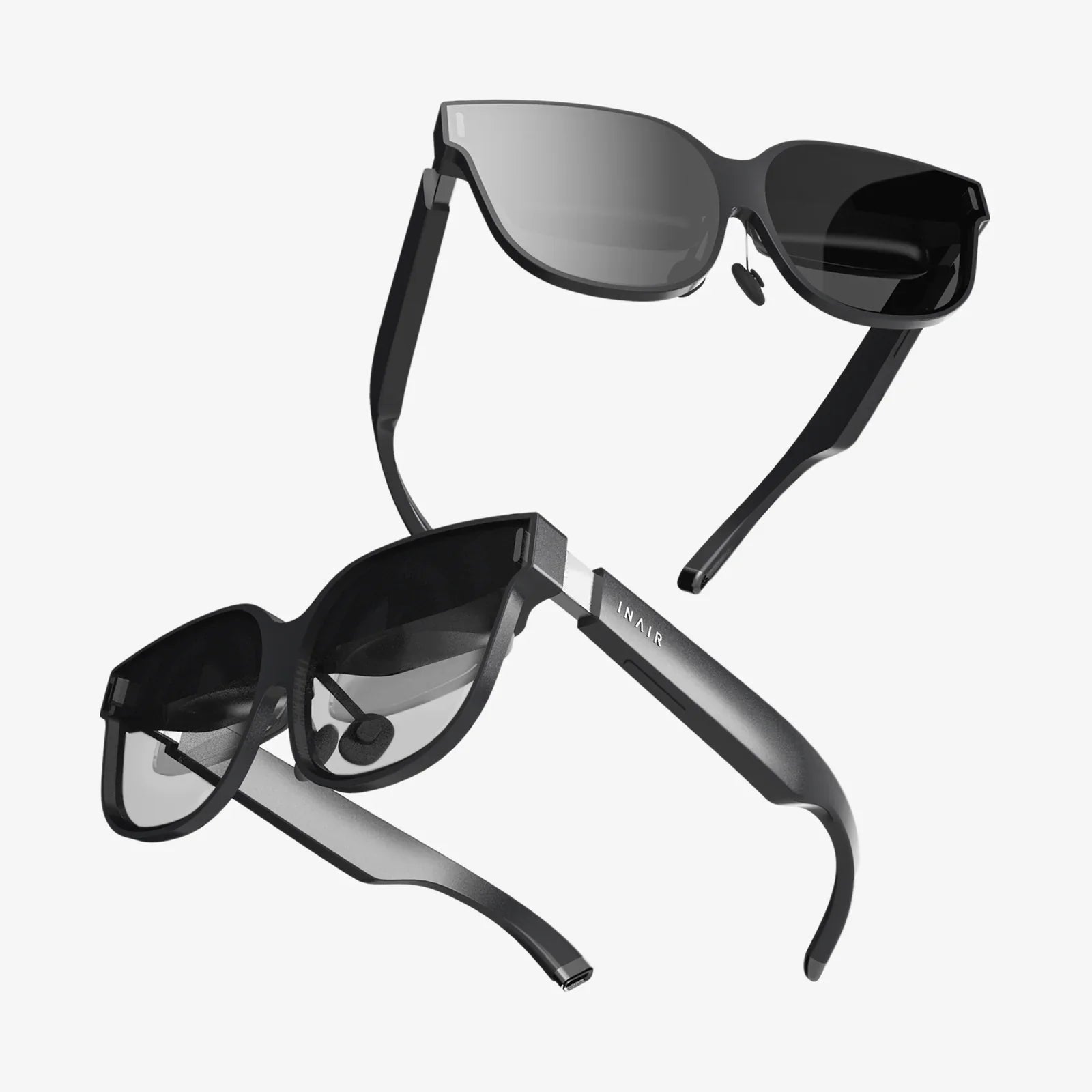
Augmented Reality (AR) operates on the principle of superposition. It takes your real-world environment—the room you're in, the street you're walking down—and layers digital elements onto it. These can be simple text notifications, intricate 3D models, or interactive animations. The key is that AR does not seek to remove you from your surroundings; instead, it aims to make those surroundings more informative, entertaining, or efficient. You remain present and aware of your physical space, which is why AR is often experienced through devices that allow you to still see the world, like smartphones, tablets, or transparent glasses.
Virtual Reality (VR), in contrast, is built on the principle of immersion. Its goal is to shut out the physical world completely and transport your senses into a fully digital, computer-generated environment. When you put on a VR headset, your physical surroundings are replaced. You might be piloting a starship, standing on a virtual conference room podium, or exploring a meticulously recreated ancient ruin. The technology tricks your brain into believing you are somewhere else, making presence—the feeling of actually being in the virtual space—its primary objective. This requires a closed, opaque headset that blocks your field of vision.
The philosophical differences between AR and VR drive significant divergences in their underlying technologies and hardware requirements.
VR technology is primarily concerned with creating a convincing and comfortable illusion. Its core components include:
AR technology faces a unique and arguably more complex challenge: seamlessly blending the digital and the physical. Its key technologies include:
Putting on the hardware reveals the most tangible differences. A VR session is an intentional, dedicated event. You clear a physical space, put on the headset, and are cut off from the people and things around you. It's an all-consuming experience perfect for focused gaming, detailed training simulations, or virtual tourism.
An AR experience, however, is often fluid and integrated into daily life. You might use your phone to see how a new piece of furniture would look in your room, or glance at your smart glasses to get navigation prompts superimposed on the street ahead. It's about context and convenience, providing information and interaction without requiring you to disconnect from reality. This makes AR inherently more social; you can share the experience with others in the same room, as you're all still present.
The strengths of each technology naturally lead them to excel in different sectors.
The line between AR and VR is not a rigid wall but a porous border. This spectrum is often referred to as the reality-virtuality continuum. At one end is the completely real environment, and at the other is a completely virtual one. In the middle lies Mixed Reality (MR).
MR is more than just a buzzword; it represents the fusion of both worlds. It involves anchoring believable, interactive virtual objects to the real world in a way that they genuinely seem to coexist within it. Advanced MR headsets use passthrough cameras to digitize your environment and then place you inside a virtual world that understands and interacts with your physical space. You could have a virtual pet that runs around your real coffee table, or a virtual monitor that stays locked in place on your real desk. This represents the next evolutionary step, combining the immersion of VR with the contextual awareness of AR.
For consumers and businesses alike, the choice between AR and VR comes down to a simple question: What is the goal?
As the technology matures, the hardware will become smaller, more powerful, and more socially acceptable. AR glasses will evolve towards a standard eyeglasses form factor, while VR headsets will become lighter and more comfortable. Ultimately, these technologies may converge into a single device capable of seamlessly shifting along the entire spectrum from augmented to virtual reality based on the user's needs in any given moment.
The journey into these digital dimensions is just beginning. Whether enhancing our perception with helpful data or transporting us to impossible realms, AR and VR are not just changing the way we interact with technology—they are redefining the very nature of our reality. The next time you pick up your phone or consider a new headset, you'll understand you're not just choosing a gadget; you're choosing a new way to see, and be in, the world.
Share:
Smartglasses HK: Navigating the Future of Wearable Tech in Hong Kong
Augmented Reality Causes of the Next Great Technological Shift